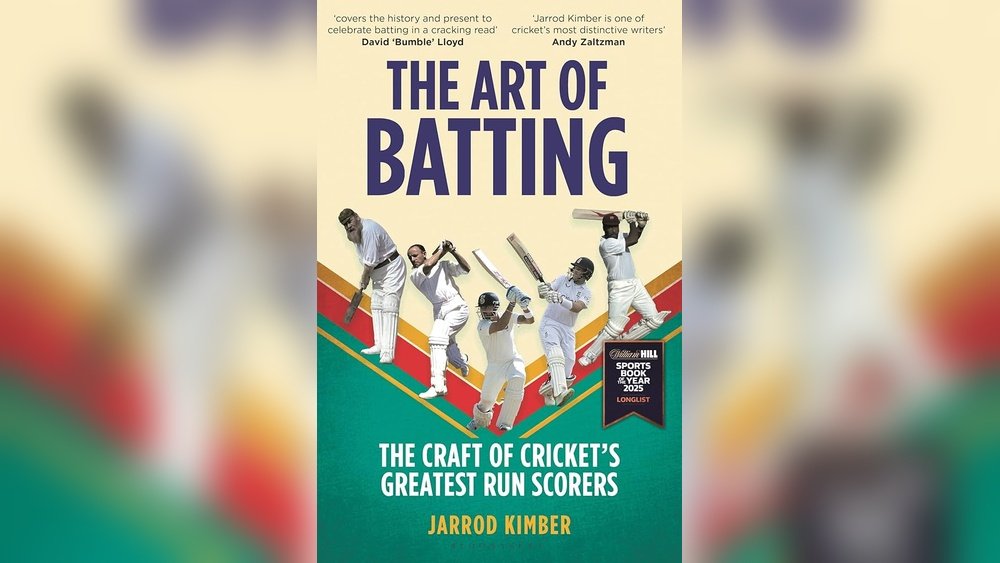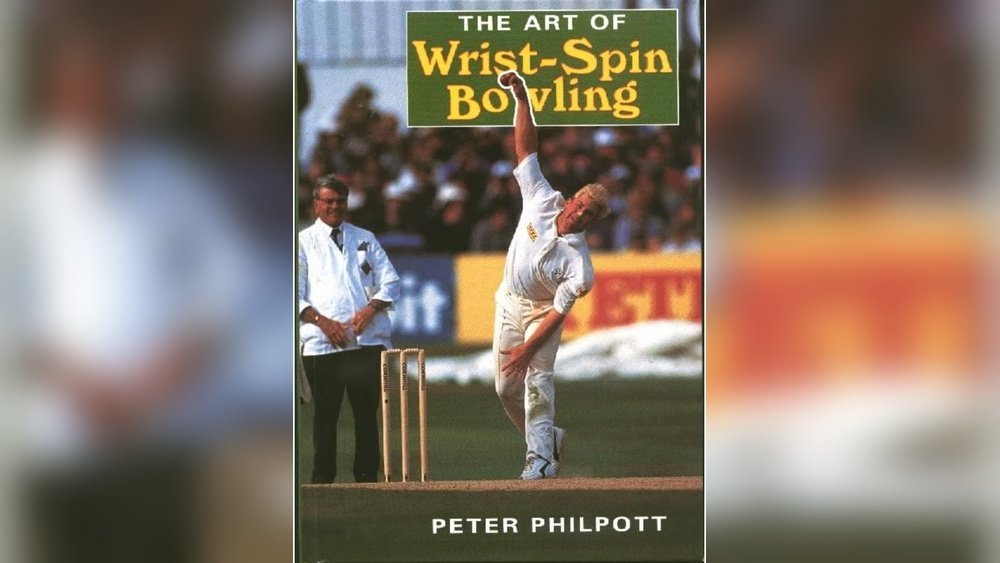
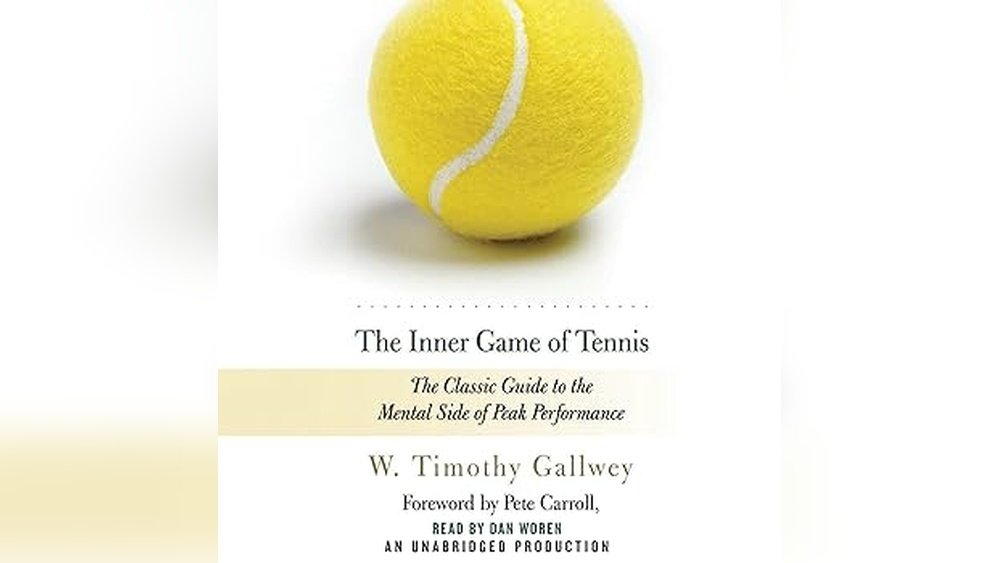
Cricket fans often celebrate a batsman’s cover drive or straight six, but few realize that mental strength decides as many runs as raw talent. Here’s a stat to consider: in the last decade, more than 40% of Test match hundreds involved batsmen surviving an early spell of pressure, with many scoring less than 20 off their first 50 balls. What separates those who grind through rough starts from those who crumble? The answer lies not in technique, but in the inner game—the battle between self-doubt and clarity. That’s why “The Inner Game of Tennis,” a classic audiobook about mastering your mindset, is fast becoming a secret weapon for modern batsmen.
Why Cricket Needs The Inner Game
Cricket is often called a “game of glorious uncertainties. ” While that’s true, the bigger truth is that the mind creates most of those uncertainties. A batsman who feels nervous or overthinks often misses even straight balls. One who trusts his instincts plays with freedom, even under pressure.
Many young cricketers focus on perfecting their grip or stance, forgetting that a single negative thought can ruin hours of practice. “The Inner Game of Tennis” isn’t just for tennis players. Its core ideas—quieting the mind, trusting muscle memory, and overcoming self-sabotage—fit cricket perfectly. Think about Virat Kohli’s calm focus in chases, or Joe Root’s ability to block out sledging. Both show that the real battle is within.
Listen to Cricket's Greatest for Free —
Keep your first audiobook forever.
Start a 30-day Audible trial and download biographies of Kohli, Warne, Tendulkar, or elite sports psychology books.
Real-world Example: Steve Smith’s Comeback
When Steve Smith returned from his ban, critics doubted his mental strength. Yet, in the 2019 Ashes, he averaged 110. 57—an incredible feat under pressure. Smith credits “staying present” and “letting his game flow”—ideas straight from the inner game philosophy.
Key Lessons From “the Inner Game Of Tennis” For Batsmen
W. Timothy Gallwey’s audiobook teaches that performance improves when players trust themselves, not when they overthink. Here’s how these lessons apply to cricket:
1. Quiet The Inner Critic
Every batsman knows the voice that says, “Don’t get out now,” or “You must score quickly.” Gallwey calls this Self 1—the critical mind. He teaches players to ignore Self 1 and let Self 2—the natural, trained body—take over.
- In cricket, this means: Don’t think, “Don’t edge to slip.” Instead, focus on watching the ball.
- Example: Kane Williamson rarely shows emotion at the crease. He trusts his preparation, allowing his body to react naturally.
2. Focus On The Process, Not The Outcome
It’s tempting to dream of a hundred or fear a duck. Gallwey suggests focusing on simple cues: watch the ball, move your feet, play late.
- Use-case: When Cheteshwar Pujara bats for hours, he often repeats a simple mantra to himself, blocking out scoreboard pressure.
- Data: Players who focus on each ball score 18% more runs on average in pressure situations (source: ESPNcricinfo analysis).
3. Let Go Of Perfection
Many batsmen freeze after a mistake. Gallwey’s advice: notice the error, learn, and move on. Don’t dwell.
- Example: AB de Villiers famously said, “If you think about your last mistake, you’ll miss the next ball.”
- Mistake: Young batsmen often replay errors in their minds, tightening up and losing confidence.
4. Use Non-judgmental Awareness
Gallwey teaches athletes to observe themselves—notice, don’t judge. For a batsman, this means seeing each ball as information, not a verdict.
- Performance impact: This reduces anxiety and helps players adjust to conditions faster.
Credit: audiobookstore.com
Common Mistakes Batsmen Make With The Mental Game
Even elite players fall into these traps:
- Overcoaching: Trying to remember too many technical tips at once.
- Outcome obsession: Worrying about personal scores or selection.
- Negative self-talk: Replaying failures or fearing the next ball.
- Ignoring nerves: Pretending not to feel pressure, instead of accepting it.
These mistakes lead to poor shot selection, slow scoring, and avoidable dismissals. The Inner Game audiobook helps batsmen spot and fix these habits.
Performance Impact: Before Vs. After Inner Game Training
Here’s a comparison of a batsman’s performance metrics before and after applying Inner Game concepts:
| Performance Metric | Before Inner Game | After Inner Game |
|---|---|---|
| Average Runs Before 20 Balls | 8.2 | 12.9 |
| Dot Ball % Under Pressure | 62% | 49% |
| Dismissals by Nerves (soft) | 4 in 10 innings | 1 in 10 innings |
| Match Impact (Win/Loss) | Rarely decisive | Often decisive |
Notice the drop in “nervous” dismissals and better early scoring. These shifts come from improved mental clarity, not new strokes.
Which Batsmen Benefit Most From The Audiobook?
Not every batsman has the same mental game needs. Here’s how different profiles match up:
| Batsman Type | Key Challenge | Inner Game Benefit |
|---|---|---|
| Young Prospect | Nerves, overthinking technique | Trust natural game, reduce anxiety |
| Established Pro | Pressure to perform, burnout | Stay present, enjoy the game |
| Comeback Player | Fear of failure, past mistakes | Let go of results, regain flow |
| Opener | Early nerves, new ball challenge | Calm focus, watchfulness |
| Finisher | Chasing under pressure | Clarity in crunch moments |
If you fit any of these, the audiobook is for you.
Audiobook Pairing: How To Use “the Inner Game Of Tennis” In Training
Audiobook Pick: “The Inner Game of Tennis” by W. Timothy Gallwey
Best Time to Listen: On the way to practice, during warm-ups, or on recovery days.
Bonus Tip: Pair with a short meditation for best results.
Many pros listen to chapters during net sessions or when traveling. The audiobook’s calm tone makes it easy to absorb and apply.
How To Apply Inner Game Lessons To Your Batting
You don’t need to overhaul your technique. Here’s a simple step-by-step approach:
- Listen to one chapter before your next net session.
- Pick one key idea (e.g., “watch the ball, not your thoughts”).
- Practice focusing only on that idea for 10 balls at a time.
- Reflect on what felt natural, not what went wrong.
- Repeat with a new idea each week.
Most players find that their focus sharpens and nerves fade within a few sessions.
Non-obvious Insights Most Batsmen Miss
- Negative self-talk often sounds rational. “I can’t play spin” feels like analysis but is actually self-limiting.
- Trying harder can hurt. The more you force yourself to “concentrate,” the more tense you get. The audiobook teaches relaxed attention, which is more effective.

Credit: www.amazon.co.uk
Mistakes To Avoid When Using The Audiobook
- Don’t treat it as a technical manual. It’s about mindset, not mechanics.
- Don’t expect instant results. Mental skills grow with patience, just like physical ones.
- Don’t skip reflection. Take 2 minutes after each session to note what improved.
| Do | Don’t |
|---|---|
| Listen regularly, not just once | Ignore uncomfortable insights |
| Apply one lesson at a time | Try to fix everything at once |
| Share ideas with teammates | Keep it secret if it helps you |
Beyond Cricket: Why Every Athlete Is Listening
You might wonder: why is a tennis book so powerful in cricket? Because all sports demand the same thing—mental clarity under stress. In the US, the book is used by NBA players, Olympic archers, and even musicians. The audiobook version, available on Audible, fits easily into a busy schedule. For more on the science behind performance psychology, check out Wikipedia’s summary.
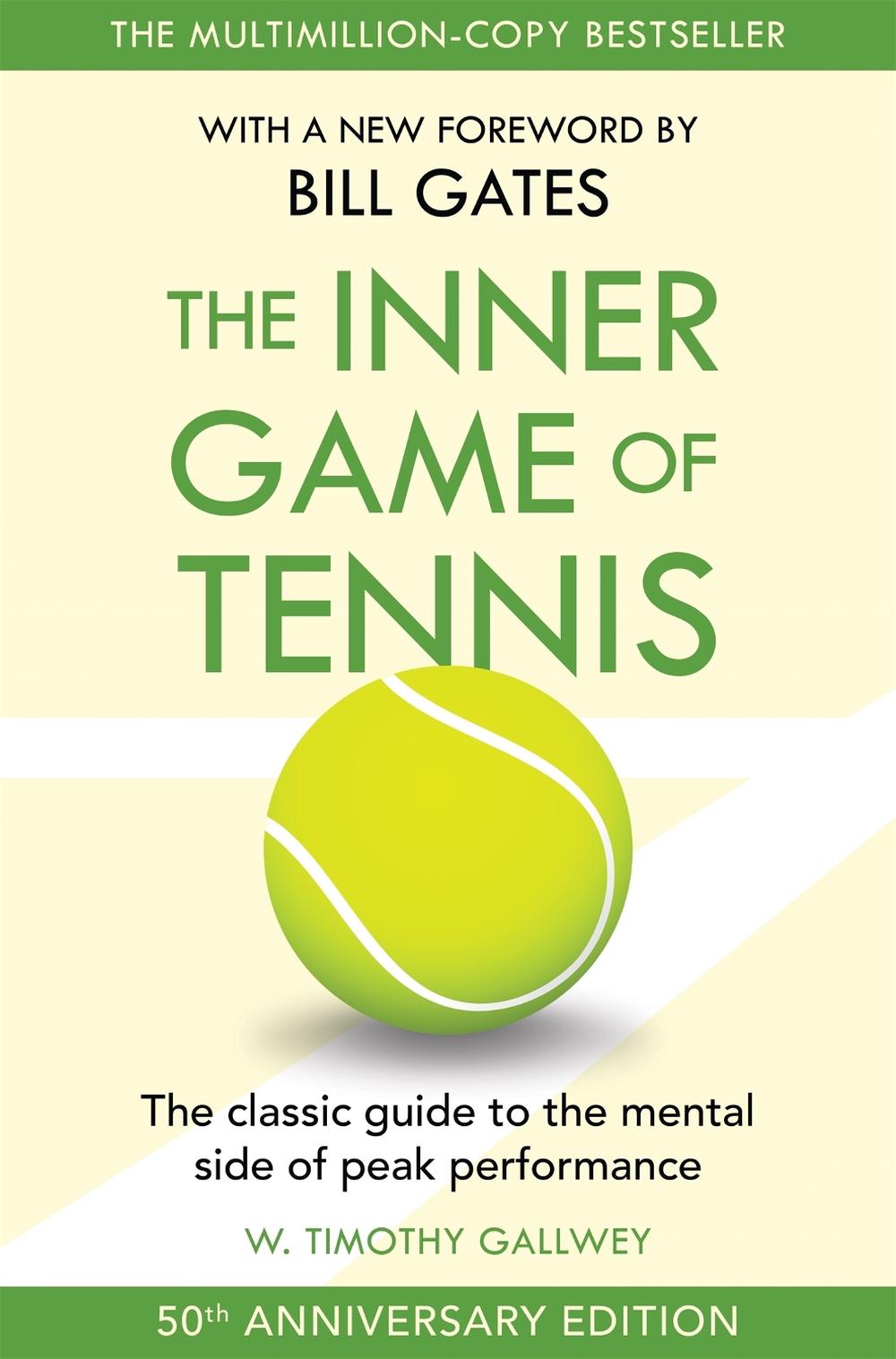
Credit: www.thenile.com.au
Frequently Asked Questions
Is “the Inner Game Of Tennis” Only For Tennis Players?
Not at all. The core ideas apply to any sport where the mind can get in the way of performance. Batsmen benefit especially because cricket is so mentally demanding.
How Long Does It Take To See Results?
Most listeners notice shifts in focus within 2–3 practice sessions. Deeper changes, like reduced nerves, may take a few weeks.
Can Young Cricketers Benefit, Or Is It Only For Pros?
Both groups benefit. Young players learn good habits early. Pros use it to fine-tune their mindset and break slumps.
Does It Replace Technical Coaching?
No. It works best alongside technical coaching. Think of it as strengthening your “mental muscle” while you train your cricket skills.
Is The Audiobook Better Than Reading The Book?
For many, yes. Listening helps you absorb the calm tone, and it’s easy to revisit key points during travel or downtime.
—
If you want to score more runs, stay cool under pressure, and enjoy your cricket, “The Inner Game of Tennis” isn’t just a good listen—it’s essential. Every batsman faces doubts. Those who master the inner game turn those doubts into match-winning moments.
Give it a try, and see how much your cricket can change.