Best Cricket Arm Guards: 3 Picks for Elbow and Forearm Protection
A short ball that rears up and catches the front forearm is one of the most common…

Cricket protective gear explained: helmets, pads, thigh and arm guards and abdominal guards, with fit tips and comparisons for every level.
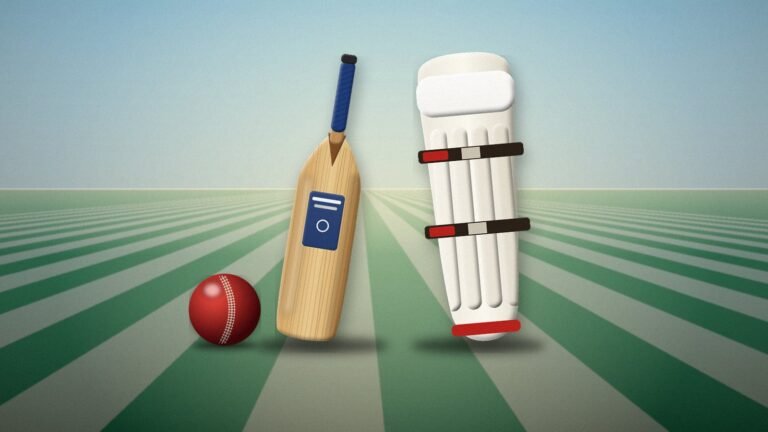
A short ball that rears up and catches the front forearm is one of the most common…
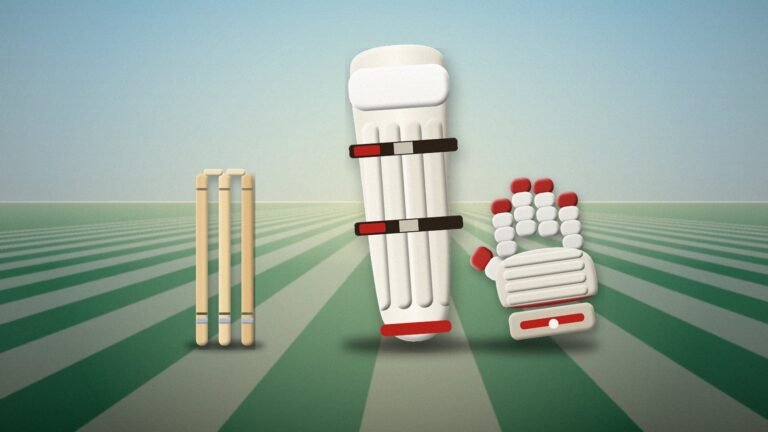
Cheap cricket pads under $50 are hard to find from established brands, so this list focuses on…
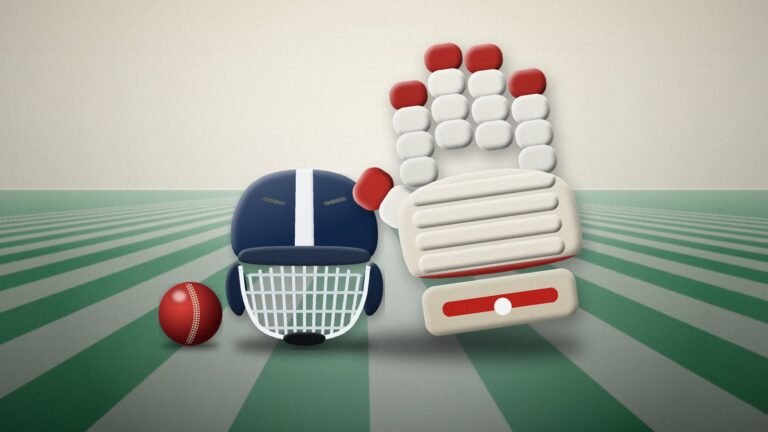
Good batting gloves do two jobs: they protect your fingers and thumb from a hard ball, and…

If you bat left-handed, you need left hand cricket gloves: they mirror the right-handed design, so the…
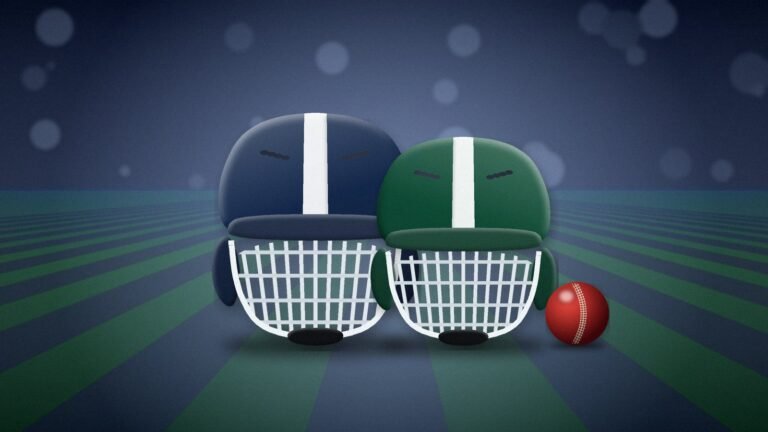
Facing a hard ball at 80 or 90 mph is no joke, and your helmet is the…
A full cricket kit bought as a set is usually far cheaper than buying a bat, pads,…
Wicketkeeping asks for quick hands and reliable protection, and your gloves do most of that work. The…
Beyond a bat and a ball, the cricket equipment that matters most falls into two groups: safety…

Good cricket batting gloves should protect your fingers and thumb from a hard ball without stopping you…
Good cricket batting practice is about repetition with purpose, and the right cricket batting practice equipment lets…
A cricket ball is hard, so protective gear is not optional once you face leather. A batter’s essentials are a helmet with a grille that meets the relevant safety standard (British Standard BS 7928 is the usual reference for cricket helmets), pads, gloves, a thigh pad and an abdominal guard, and many players add an arm guard and chest guard.
Fit decides how well each piece works: gear that slips or leaves gaps does not do its job. Our guides explain what each item does, how to size it and how the options compare.
Related:Cricket GlovesYouth & Kids