
Cricket is a game of fine margins, where a single percent improvement can decide a match. Did you know that Virat Kohli once spent 55 consecutive days without missing a gym session during a tour, transforming his body and performance? This kind of discipline isn’t magic—it’s built on small, repeatable actions. That’s exactly where James Clear’s bestseller, “Atomic Habits”, steps in. But does his system, made famous through the audiobook, really fit the world of cricket training? Let’s break it down and see how these powerful ideas can take your cricket game to the next level.
What Makes “atomic Habits” Special For Cricketers?
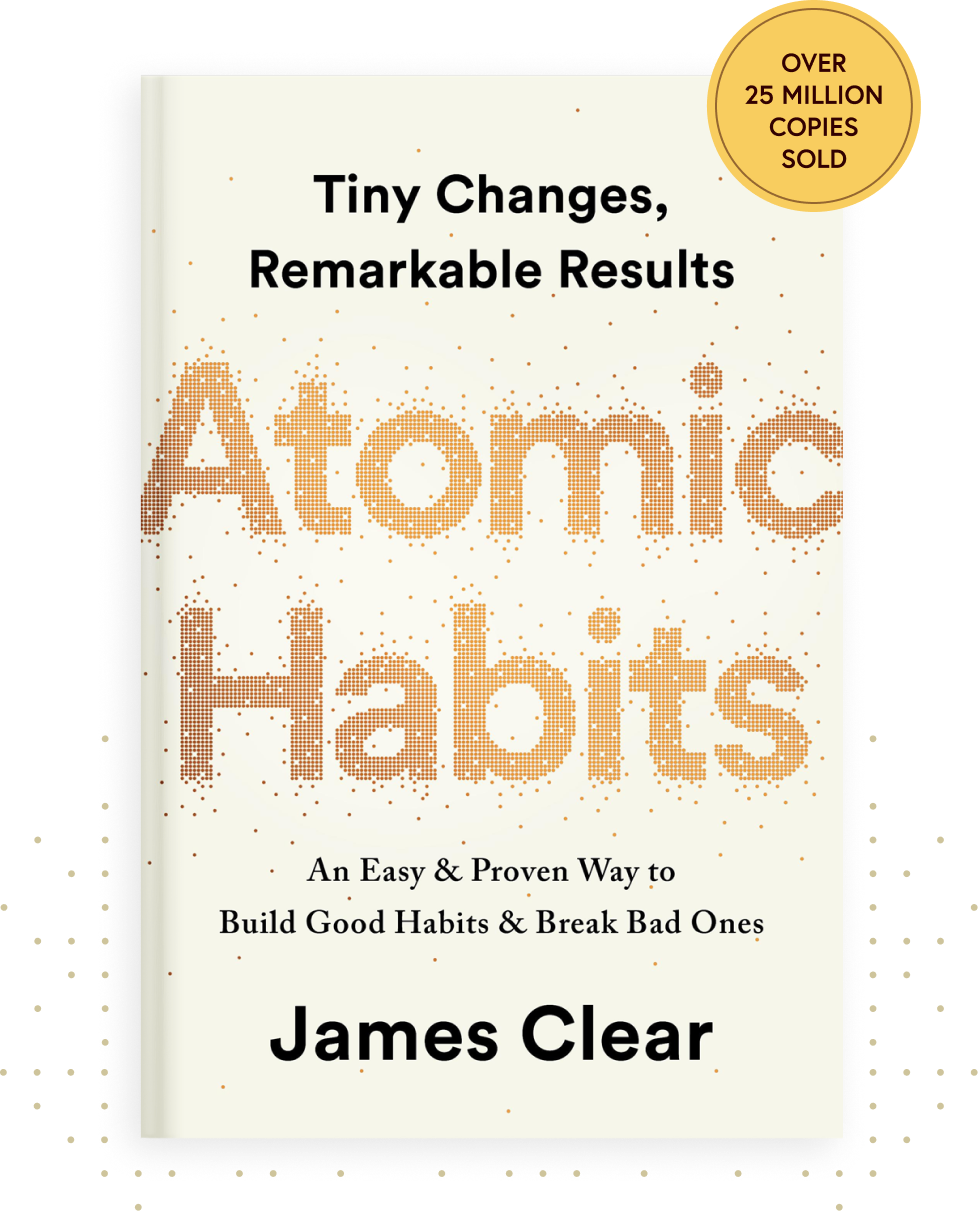
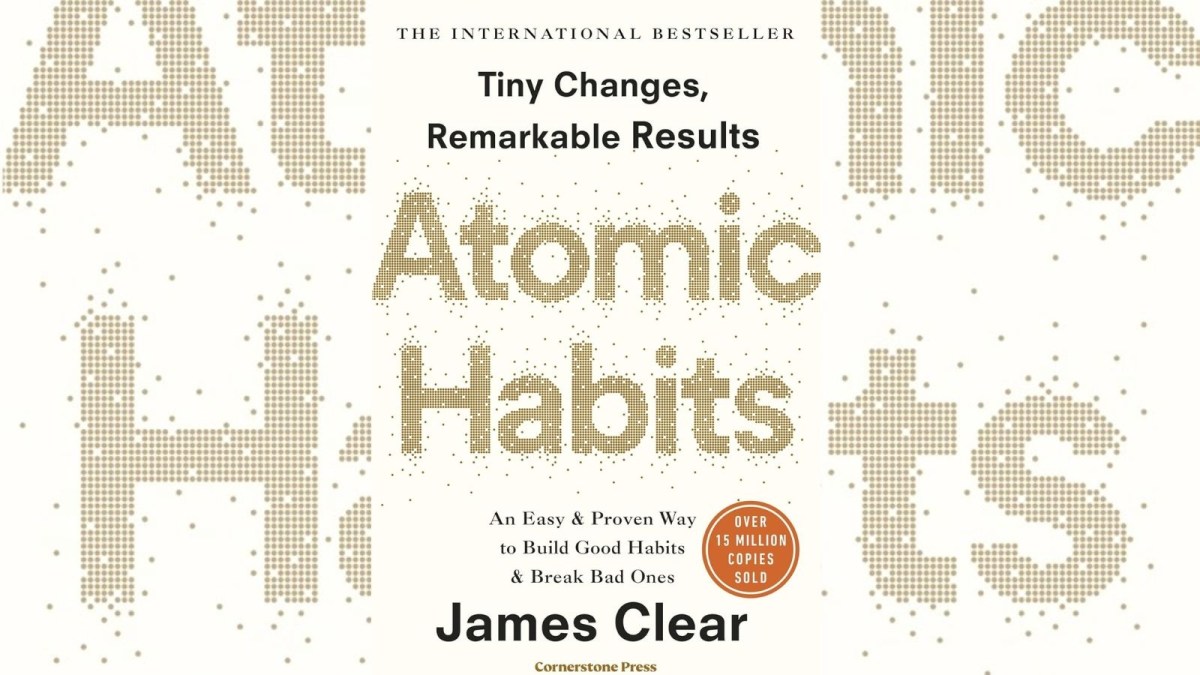
James Clear’s audiobook isn’t just a collection of motivational quotes. It’s a clear, science-backed guide to building tiny habits that add up to big results—something every cricketer needs. The audiobook’s narration is calm and steady, making it easy to absorb even while doing drills or traveling to games.
Cricket, unlike many sports, rewards consistency more than flashes of brilliance. A batsman’s average, a bowler’s economy rate, and a fielder’s catching percentage are all long-term markers. Clear’s ideas about compounding improvements fit this reality. For instance, if you improve your cover drive technique just 1% each week, you’ll see a huge change over a season.
Listen to Cricket's Greatest for Free —
Keep your first audiobook forever.
Start a 30-day Audible trial and download biographies of Kohli, Warne, Tendulkar, or elite sports psychology books.
Real Example: Routine Building
Take Joe Root, who has credited his daily “pre-ball routine” for his consistent performance. Instead of trying to become a better batsman overnight, he focused on repeating a tiny set of actions before every delivery. Over time, this habit rewired his focus and confidence at the crease—exactly what Clear’s system teaches.
The Four Laws Of Atomic Habits In Cricket Training
James Clear breaks habit-building into four clear steps. Here’s how they translate directly to cricket:
1. Make It Obvious
In the audiobook, Clear talks about “cues”—triggers that start a habit. For cricketers, this could mean:
- Placing your bat and gear by your bed as a morning practice reminder.
- Scheduling a recurring alarm labeled “Footwork Drills.”
Pro tip: If you want to improve your reaction time, set up your training cones the night before. This physical cue makes skipping drills less likely.
2. Make It Attractive
Clear suggests that habits stick when they’re linked with something enjoyable. In cricket:
- Pair warm-up stretches with your favorite music.
- Do throwdowns with a teammate who keeps energy high.
3. Make It Easy
Reducing friction is huge. If you want to practice bowling yorkers:
- Keep a cricket ball in your backpack.
- Use a tennis ball for quick practice anywhere.
4. Make It Satisfying
Immediate rewards lock in habits. For example:
- Track your session on a wall chart—seeing progress is addictive.
- Allow yourself a treat after a week of completed sessions.
Cricket Application Table
Here’s how the four laws map to actual cricket routines:
| Atomic Habit Law | Cricket Application | Example |
|---|---|---|
| Obvious | Visible cues for practice | Bat by the door |
| Attractive | Pair with fun activity | Music during warm-up |
| Easy | Remove barriers | Ball in bag always |
| Satisfying | Immediate reward | Session tick chart |

Credit: www.youtube.com
Three Real Cricket Examples: Habits That Changed Careers
James Clear’s audiobook is full of relatable stories. But do these ideas really work for professional cricketers? Let’s look at three stars who used “atomic” changes for lasting success.
1. Virat Kohli’s Diet And Fitness
Kohli didn’t always have the lean, athletic build you see today. Around 2012, he switched to a strict diet and daily fitness routine. He credits this for moving from a “good” player to a world-beater. Kohli’s big insight? He didn’t try to overhaul everything overnight. Instead, he added one new habit every month—first hydration, then sleep, then gym, then cutting junk food. This layering matches Clear’s advice.
2. Steve Smith’s Batting Rituals
Smith’s quirky pre-delivery movements aren’t random. He built them up slowly to focus his mind and body before each ball. Over thousands of repetitions, these micro-habits reduced his mistakes and made his technique nearly automatic—a textbook case of habit stacking.
3. Jofra Archer’s Bowling Consistency
Archer is known for hitting the same line and length, ball after ball. He trains with “micro-targets,” setting up small objects on the pitch. By making his practice obvious and satisfying (knocking over a cone), he locks in consistency. This method follows Clear’s system perfectly.
Common Mistakes: Where Cricketers Go Wrong
Many players read or listen to self-help content but fail to change. Here’s where cricketers usually trip up with “Atomic Habits” principles:
- Trying to change too much at once. If you add five new drills in one week, you’ll likely drop all of them.
- Not tracking progress. Without visible results, motivation drops. A simple checkmark calendar can fix this.
- Skipping cues. If your practice reminder isn’t strong (like a set alarm or gear in sight), old habits win.
- Ignoring the environment. Practicing in a messy, crowded space makes new habits harder to stick.
Mistake Comparison Table
| Mistake | Impact on Training | Correction |
|---|---|---|
| Changing too much | Overwhelm, drop all habits | Start with one habit |
| No tracking | Lose motivation | Use a progress chart |
| Weak cues | Forget new routines | Strong reminders |
| Bad environment | Habits fade quickly | Clean, focused space |
Credit: jamesclear.com
Who Should Use “atomic Habits” In Their Cricket Journey?
James Clear’s system isn’t just for professionals. It fits:
- Young players wanting to build basics
- Club cricketers stuck in a performance rut
- Coaches teaching discipline
- Even casual players looking for more joy from practice
If you find yourself starting strong but quitting after a week, you’ll benefit the most. Those with busy lives can also use Clear’s “habit stacking” to sneak cricket improvement into daily routines.
Use-case Picks For Different Player Types
| Player Type | Habit Focus Area | “Atomic Habits” Tactic |
|---|---|---|
| Junior | Technique basics | Cue + Easy drills |
| Club | Fitness & fielding | Habit stacking |
| Pro/Elite | Mental focus | Reward tracking |
How The Audiobook Format Boosts Cricket Training
Many cricketers spend hours traveling between venues. The “Atomic Habits” audiobook is perfect for this “found time. ” The narrator’s clear style keeps you engaged, even when your hands are full.
Some players listen during stretches or cooldowns, reinforcing key lessons. You can even replay sections about habit stacking while practicing on your own. This repetition is a hidden advantage—hearing the same advice multiple times makes it more likely to stick.
Audiobook Pairing: Try listening to “Atomic Habits” during your next solo net session or gym workout. The calm narration and practical stories fit perfectly with repetitive cricket drills.
The Performance Impact: Real Gains, Not Hype
Tiny habits lead to compounding improvements. According to Clear, a 1% upgrade each day makes you 37 times better in a year. In cricket, this shows up as:
- Higher batting averages (more time in the middle)
- Lower bowling economy rates (fewer runs given)
- Sharper reflexes and more catches
Take Kane Williamson as an example. He’s known for his steady routines—arriving early, visualizing his innings, and journaling after each match. Over time, these habits have lifted his average to over 50 in Test cricket.
Non-obvious Insights For Cricketers
- Environment beats willpower. If you set up your kit and training space in advance, you need less motivation. Even world-class cricketers design their environment for success.
- Identity-based habits matter most. Clear argues that believing “I am a cricketer who trains daily” is more powerful than setting a goal like “I’ll score 50 runs.” Top players focus on who they want to become, not just what they want to achieve.
Credit: indianexpress.com
Should You Try It? Final Thoughts For Cricketers
If you want to build a cricket career—or just enjoy the game more—James Clear’s “Atomic Habits” audiobook is a smart investment. It’s practical, easy to understand, and fits the reality of cricket training better than most “motivation” books.
Remember, even legends like Sachin Tendulkar and Ellyse Perry built their greatness one tiny habit at a time. Start small, stay patient, and watch the results compound.
For more on the science behind these methods, visit James Clear’s official site.
Frequently Asked Questions
What’s The Best Way To Use “atomic Habits” For Cricket Training?
Start by picking one small habit—like 10 minutes of fielding drills each morning. Pair it with a strong cue and track your progress on paper. This matches Clear’s first law and builds momentum.
Is The Audiobook Better Than Reading The Book For Athletes?
For busy cricketers, the audiobook fits training routines and travel. The narration is clear, making it easy to understand and replay key sections during practice.
How Long Does It Take For A New Cricket Habit To Stick?
Clear says 21–66 days is typical, but simple habits (like gear setup) stick faster. The key is daily repetition, not perfection.
What’s A Common Mistake When Applying These Habits?
Trying to do too much at once. Focus on one change, make it easy, and reward yourself for consistency.
Can Coaches Use “atomic Habits” With Teams?
Absolutely. Coaches can set up group cues, track team habits, and celebrate small wins. This builds a culture of improvement and accountability.