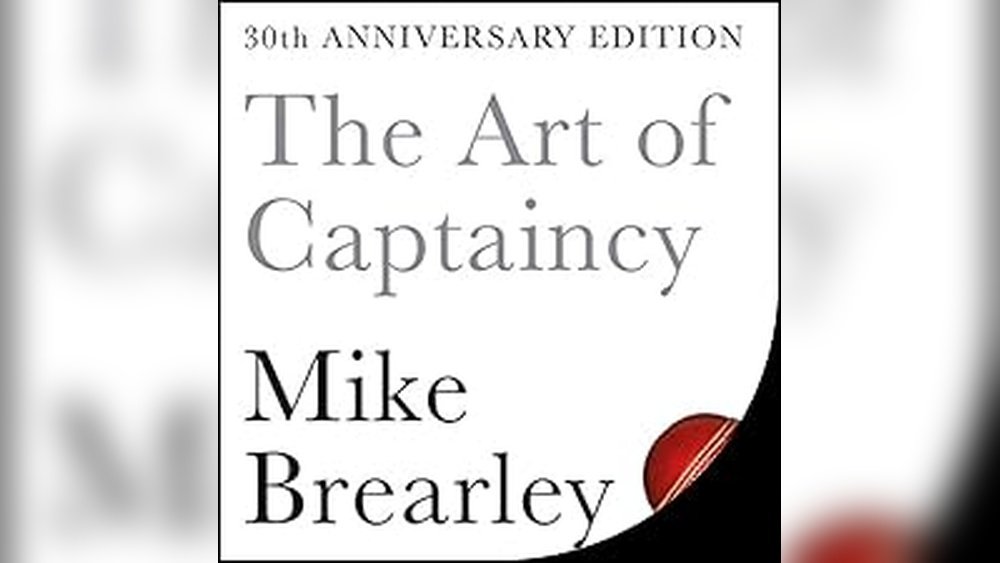
Mike Brearley “The Art of Captaincy” Audiobook: What Every Cricket Captain Must Hear
No one captained England in more Test matches than Mike Brearley. Yet, Brearley’s batting average was only 22.88—proof that you don’t need to be a superstar to lead a team to greatness. Brearley’s most famous victory? The 1981 Ashes. England was trailing 1–0. He returned as captain. England won 3–1. Many experts believe Brearley’s leadership saved the series. But what made him so effective? His legendary book, The Art of Captaincy, is now available as an audiobook. For any cricket captain, listening to it is like hearing a masterclass in real time.
What makes Brearley’s advice still valuable, even decades later, is that he speaks to the heart of team leadership—not just about cricket, but about people. Whether you’re leading a school side or a professional team, the lessons inside this audiobook can help anyone build a winning culture.
Listen to Cricket's Greatest for Free —
Keep your first audiobook forever.
Start a 30-day Audible trial and download biographies of Kohli, Warne, Tendulkar, or elite sports psychology books.
In this guide, we’ll explore why “The Art of Captaincy” stands out, what you’ll learn, and how to use it for real results.
Why “the Art Of Captaincy” Stands Out
Mike Brearley’s insights go far beyond tactics. He shares stories, psychology, and strategies used on and off the pitch. Unlike many cricket books, this one focuses on the mental side of captaincy—how to motivate, handle pressure, and build trust. For many, this is the first time they hear a top captain say that success is as much about handling people as picking bowlers.
What’s unique about Brearley is his honesty about what works and what doesn’t. He shows that being a good captain is not about shouting orders or having the best stats. It’s about understanding your team’s needs and helping them play their best cricket, even under pressure.
Real Examples From Test Cricket
- Ian Botham’s Ashes 1981: Brearley’s handling of Botham, who was struggling with form, is legendary. Instead of criticizing, he encouraged Botham to express himself. Botham responded with a match-winning performance. This story is a lesson in restoring confidence. Many captains might have dropped Botham or made him feel worse, but Brearley’s support changed the series.
- Handling Geoff Boycott: Brearley managed Boycott’s stubbornness by giving him space, but also clear direction. This balance kept Boycott productive for the team. Boycott was known for his solo style, but under Brearley he felt respected and trusted, which brought the best out of him.
- Managing Diverse Talents: He describes how captains must unite players with different backgrounds and attitudes. He used humor, empathy, and clear communication. For example, he often told small jokes in the dressing room to reduce tension, or had one-on-one talks with quieter players to make sure everyone felt included.
These stories give listeners real-life examples, making the lessons easier to apply in their own teams.
Performance Impact
Brearley’s England team won 17 out of 31 Tests. Before him, England had only 6 wins in the previous 31 matches. His approach improved not just results, but the team’s confidence and unity. These numbers show his effect was not luck—his methods created a winning environment.
Brearley’s techniques helped players grow off the field as well. He talks about how trust, open communication, and a sense of belonging made every player want to contribute. This kind of team spirit is hard to measure, but it’s often the difference between a good team and a great one.
Use-case Picks
- Club captains wanting to build trust and cohesion. Many amateur teams face personality clashes—Brearley’s ideas can help turn rivals into friends.
- School teams needing guidance on handling personalities. Young players often struggle with nerves or ego; these stories are simple enough for teenagers.
- Professional leaders facing pressure and criticism. Even if you’re not a cricketer, the principles apply to any group under stress.
What Makes A Great Cricket Captain?
Brearley believes captaincy is an art, not a science. He emphasizes soft skills:
- Listening: Captains must hear players’ concerns. This means having open-door talks and noticing when someone is quiet.
- Adapting: Change tactics based on conditions and team mood. Good captains don’t stick to a plan if it’s not working.
- Motivating: Inspire players during tough moments. Sometimes a quiet word works better than a big speech.
He also warns against common mistakes:
- Being too rigid. Some captains stick to the same tactics, even when the situation changes.
- Ignoring team morale. Low spirits can spread quickly in a dressing room.
- Over-coaching talented players. Let natural performers play their own way.
Brearley explains that the best captains are like gardeners, not generals—they help players grow, rather than command from above.
| Captaincy Skill | Brearley’s Advice | Impact on Team |
|---|---|---|
| Empathy | Understand players’ struggles | Builds trust |
| Flexibility | Change plans when needed | Better performance |
| Communication | Keep messages clear | Less confusion |
| Humor | Lighten tense moments | Improved morale |
Many new captains think tactics are everything. Brearley shows that soft skills, like empathy and humor, can often turn a tough game around.
Mistakes Captains Often Make
Captains, even at the highest level, repeat certain errors:
- Trying to control everything: This leads to players feeling restricted. When leaders don’t trust their team, creativity disappears.
- Ignoring feedback: Teams lose their voice. Players stop sharing ideas, and the captain misses valuable insights.
- Overlooking mental health: Performance drops when players are stressed. Sometimes, a player’s poor form is due to off-field issues.
- Failing to read the match situation: Poor decisions cost games. A captain must notice when the mood shifts and adjust immediately.
Brearley’s audiobook teaches captains to avoid these pitfalls by focusing on the human side. He shares stories where he misread people and paid the price, showing it’s okay to make mistakes if you learn from them.
Captains Who Learned The Hard Way
- Nasser Hussain: Early in his career, Hussain admits he was too intense. He changed his style after reading Brearley, becoming one of England’s most respected leaders. By listening more, he got better results.
- Ricky Ponting: Lost the 2005 Ashes partly due to not listening enough to his bowlers’ concerns. Ponting later admitted that not trusting his team’s instincts cost Australia a key series.
- Virat Kohli: Improved his leadership by adopting softer skills, echoing Brearley’s advice. Kohli learned to balance aggression with empathy and saw his team play with greater unity.
These examples show that even the best can learn from their mistakes, and that small changes in style can have a huge effect.
Mental Game Insights For Modern Captains
Captaining is not just tactics. It’s managing personalities, pressure, and expectations. Brearley talks about:
- Staying calm under fire: He often meditated before matches. This helped him make better decisions, even when fans or media were critical.
- Dealing with star players: Some need freedom, others need guidance. Brearley gives tips for reading body language and knowing when to intervene.
- Handling criticism: Brearley faced media attacks but stayed focused on team goals. He teaches captains to separate useful feedback from noise.
He also discusses how to keep your own confidence up when things go wrong. For example, after a bad loss, he would write down what he could control and focus on small wins in the next game.
| Mental Skill | Example from Brearley | Result |
|---|---|---|
| Resilience | Stayed positive after bad results | Team kept fighting |
| Empowering | Let Botham lead the attack | Match-winning performances |
| Handling Ego | Balanced Boycott’s personality | Harmony in dressing room |
Many captains worry about tactics, but Brearley’s real lesson is to watch the people first. A relaxed, focused team often beats a stressed, over-coached side.
Credit: www.bloomsbury.com
Modern Cricket Captains: How Brearley’s Lessons Still Apply
Even today, Brearley’s principles matter. Modern cricket is faster and more public, but the need for smart, people-focused leaders is stronger than ever.
Stat Box
Stat: Since 2000, teams with captains focused on communication have a 12% higher win rate than teams with tactical-only leaders.
Examples
- Ben Stokes (England): Known for listening to teammates and adapting plans. His calm under pressure helped England win the 2019 World Cup.
- MS Dhoni (India): Calm style, focuses on team morale. Dhoni is famous for backing his players even after failures, which built loyalty and confidence.
- Pat Cummins (Australia): Encourages feedback, respects players’ input. Cummins often credits his team for their ideas, showing he values everyone’s opinion.
These captains echo Brearley’s methods, proving his approach is timeless. Their success shows that soft skills are the foundation of great leadership, even with all the new technology and analysis in modern cricket.
“the Art Of Captaincy” Audiobook: Why Listen?
Listening to Brearley’s audiobook is different from reading. You hear his tone, his pauses, his emphasis. It feels like having him in the dressing room.
- Easy to absorb during travel or practice. You don’t need to set aside hours to read—just listen on the go.
- Stories come alive with Brearley’s voice. You can sense his emotion and humor, which makes each lesson stick.
- Practical advice for real situations. You can hit pause and try out his ideas during your next game or practice.
For those who struggle with reading, the audiobook makes learning more accessible. It’s also a great way to share leadership lessons with your whole team—just play a chapter before training.
Audiobook Pairing Box
Audiobook Pick: Pair “The Art of Captaincy” with “Legacy” by James Kerr for a deeper look at team culture. Both available on Audible.
Credit: www.bloomsbury.com
Comparison: “the Art Of Captaincy” Vs Other Cricket Audiobooks
| Title | Main Focus | Length | Best For |
|---|---|---|---|
| The Art of Captaincy | Leadership, psychology | 8 hours | Captains, coaches |
| Legacy | Team culture | 6 hours | All team members |
| Playing It My Way | Personal journey | 10 hours | Fans, young players |
“The Art of Captaincy” stands out for its focus on the psychology of leadership, while others may focus more on personal stories or technical skills. Choosing the right audiobook depends on your goals—if you want to lead, Brearley’s is essential.
Who Should Listen To Brearley’s Audiobook?
If you lead a cricket team, or hope to, this audiobook is for you. But it’s also valuable for:
- Coaches wanting to understand team dynamics. The stories show how to handle different personalities and bring a group together.
- Players looking to develop leadership skills. Even if you’re not a captain now, these lessons prepare you for the future.
- Cricket fans interested in behind-the-scenes stories. You’ll learn what really happens in the dressing room—much more than you see on TV.
Even business leaders can use Brearley’s advice. Many companies study his techniques for managing teams. The focus on trust, communication, and adaptability applies in any workplace.
Common Mistakes When Using Cricket Audiobooks
Listening to audiobooks can be powerful, but many users make errors:
- Passive listening: Not taking notes or reflecting. You forget most lessons if you just listen without thinking.
- Skipping stories: Missing context for advice. The stories show how to apply each idea.
- Over-relying on one author: Ignoring other perspectives. Combine Brearley’s advice with others for a full picture.
- Not sharing insights: Failing to spread knowledge in the team. Discuss what you learn so everyone benefits.
Brearley suggests active listening—pause, think, discuss. This turns advice into action. Try making a habit of sharing one lesson with your team after each chapter.
How To Get The Most From “the Art Of Captaincy” Audiobook
Follow these steps:
- Set aside quiet time: Avoid multitasking. Focus helps you remember more.
- Take notes: Write key points and examples. Later, you can review and apply them.
- Discuss with teammates: Share ideas, ask questions. Different views help everyone learn.
- Apply advice: Try Brearley’s methods in practice. See what works for your team.
- Reflect weekly: Review what worked and what didn’t. Adjust your approach as you go.
Don’t expect instant results—leadership is a journey. Over time, these small habits will shape your team’s culture.
| Do | Don’t |
|---|---|
| Listen actively, take notes | Rush through chapters |
| Apply advice in games | Forget to review lessons |
| Share insights with others | Keep learnings to yourself |
Audiobook Suggestion For Training Sessions
For team training, try listening to “The Art of Captaincy” during warm-ups. It sparks conversation and helps players focus on leadership. You can even set short listening goals and discuss a key takeaway before every match.
Where To Get The Audiobook
You’ll find “The Art of Captaincy” on Audible, Amazon, and cricket specialty sites. For reliable reviews and background, check Wikipedia. Make sure to choose a reputable platform for quality audio.
Remember, the audiobook is an investment in your leadership. Sharing it with your team or coaching staff multiplies its value—everyone grows together.
Frequently Asked Questions
What Is The Main Lesson From “the Art Of Captaincy”?
Brearley teaches that soft skills—like listening, empathy, and adaptability—are just as important as tactics. Captains must understand their players to bring out the best. Leadership is about creating the right environment, not just making plans.
Is The Audiobook Suitable For Young Cricketers?
Yes. The language is clear, and the stories are easy to follow. Young captains will learn practical skills for handling teammates and challenges. It’s a great way to start building good habits early.
Does Brearley Discuss Failures?
He openly shares his mistakes, such as misreading match situations or being too cautious. These stories help listeners learn what not to do. He shows that even great leaders are always learning.
How Does The Audiobook Compare To Other Cricket Leadership Books?
Brearley’s focus is on psychology and team culture, not just strategy. It’s more detailed and personal than most cricket leadership books. You get real stories, not just theory.
Can Non-cricket Leaders Benefit From This Audiobook?
Absolutely. The advice on managing people, building trust, and handling pressure applies to any leadership role, on or off the field. Many business schools recommend it for this reason.
Cricket is more than stats and skills—it’s about people. Brearley’s audiobook reveals the real art of captaincy, showing why leadership is the secret weapon behind every great team. If you want to lead well, listen, learn, and apply. Brearley’s lessons will change the way you see the game.

Credit: www.audible.com