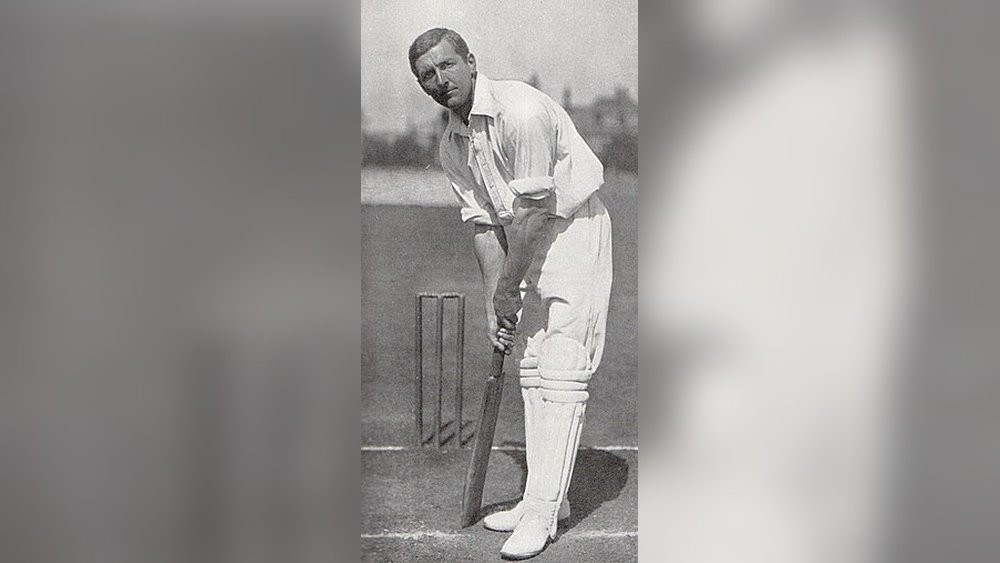
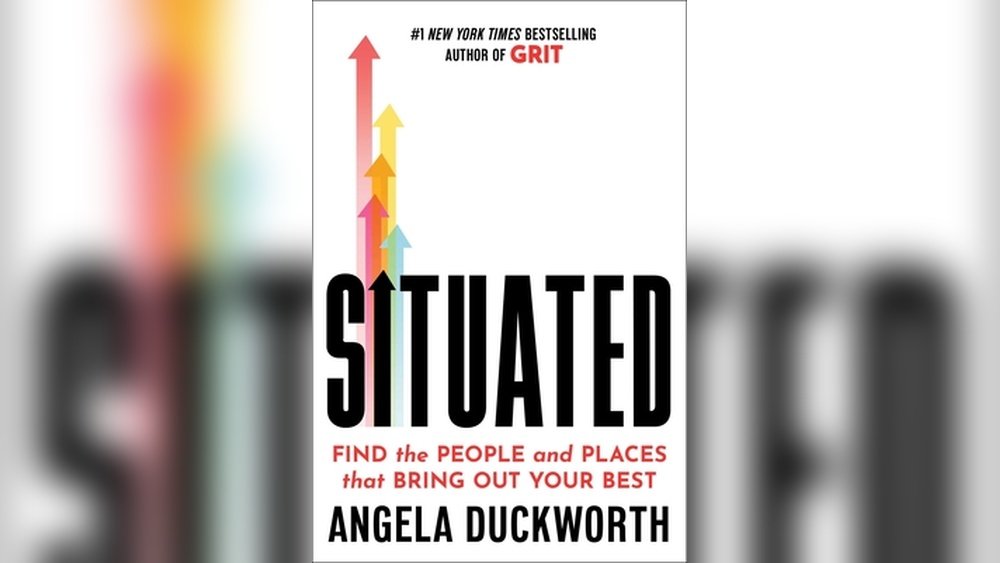
Cricket clubs around the world see thousands of players chasing their dreams every year. Yet, only a handful ever break through to higher levels. Here’s a stat that grabs attention: less than 0.5% of club cricketers play even one first-class match. What separates the achievers from the rest? Is it talent, luck, or something else? Angela Duckworth’s audiobook “Grit: The Power of Passion and Perseverance” offers a compelling answer. For club cricketers, her ideas can be the difference between ordinary and extraordinary.
What Is “grit” And Why Should Club Cricketers Care?
Grit is more than just effort; it’s sticking with your goal even when things get tough. Duckworth defines it as a mix of passion and perseverance. For club cricketers, grit means turning up to practice after a tough loss, spending extra hours honing technique, and not giving up when runs or wickets dry up.
One powerful insight from Duckworth’s research: she found that “grittier” people often outperform those with higher natural talent. In cricket, this is visible in players who aren’t the most gifted, but keep grinding season after season.
Listen to Cricket's Greatest for Free —
Keep your first audiobook forever.
Start a 30-day Audible trial and download biographies of Kohli, Warne, Tendulkar, or elite sports psychology books.
| Trait | Impact on Club Cricket | Example |
|---|---|---|
| Talent | Quick progress, but can plateau | Player who makes U19 team, but fades |
| Grit | Steady improvement, stays motivated | Player who becomes club captain after years |
| Luck | Short-term boost, not reliable | Player who gets a random call-up |
Most club cricketers focus on talent and luck, but Duckworth’s research urges you to invest in building grit.
Key Lessons From “grit” For Club Cricketers
1. Passion Is The Long Game
Duckworth shows that people who love what they do stick with it longer. For cricketers, this means focusing not just on winning matches, but on enjoying the process. Passion keeps you motivated during dry spells.
- Example: Rahul Dravid, known as “The Wall,” played over 164 Tests. His love for batting kept him sharp even when he wasn’t scoring centuries.
2. Perseverance Beats Short-term Motivation
Many club cricketers feel pumped at the start of the season but lose steam by mid-year. Duckworth’s audiobook teaches you to push through dips. Perseverance is about showing up, especially when you’re not in form.
- Example: Steve Smith was banned from cricket but returned stronger. His perseverance is now legendary.
3. Grit Is Not Fixed—you Can Grow It
Duckworth explains that grit is a skill, not a trait. You can practice being gritty. Try setting small cricket goals (like improving your cover drive) and sticking with them for weeks.
- Stat Insight: According to Duckworth’s studies, people who set micro-goals are 22% more likely to achieve big targets.
Stat Box: Only 1 in 200 club cricketers in England play professional cricket. Those who track progress and persist with small improvements double their chances of breaking into higher leagues.

Credit: www.bookpassage.com
Real Club Cricket Examples Of Grit
Example 1: Local Captain’s Journey
A club captain in Sydney spent five years as a bench player. He practiced every weekend, volunteered for extra net sessions, and learned from every mistake. He finally led his team to a championship and became a respected leader. His story mirrors Duckworth’s grit principles.
Example 2: The Comeback Bowler
A bowler in Mumbai suffered a severe injury and missed two seasons. Instead of quitting, he rebuilt his fitness, learned new skills, and returned stronger. He now averages 22 wickets per season.
Example 3: Late-blooming All-rounder
A player in Cape Town never made youth teams but kept improving his skills. By age 32, he scored his first century and was named club MVP. His perseverance outpaced younger, more talented players.
These stories show that grit is not about being the best, but about staying committed.
Mistakes Club Cricketers Make (and How Grit Fixes Them)
- Chasing shortcuts: Many players switch clubs for quick wins. Grit teaches you to build lasting skills, not just chase trophies.
- Giving up after failure: Dropping out after a poor season is common. Duckworth’s audiobook urges you to treat failures as learning steps.
- Ignoring mental skills: Physical practice is valued, but mental strength is often ignored. Grit improves resilience and focus.
| Mistake | Grit Solution | Result |
|---|---|---|
| Switching clubs often | Commit to one club | Stronger relationships, better performance |
| Quitting after setbacks | Use failure as a lesson | Improved skills, more chances |
| Skipping mental training | Practice mindfulness, grit exercises | Better focus, less stress |
Choosing The Right Cricket Role: Grit Vs Talent
Not everyone is a natural batsman or bowler. Duckworth’s audiobook helps you pick roles based on perseverance, not just skill. If you’re gritty, you may succeed as a wicketkeeper or all-rounder, even if you lack raw talent.
Use-case Picks For Club Cricketers
- Opening batsman: Needs consistent mental stamina. Grit matters more than flair.
- Spinner: Must keep learning and adapting. Perseverance beats speed.
- Club captain: Leadership requires sticking through tough seasons.
Audiobook Pairing: Listen to “Grit” during your commute or while doing fitness drills. The audiobook format is ideal for absorbing lessons on resilience.
Performance Impact: Grit In The Cricket Mental Game
mental toughness is often the edge that separates winners. Duckworth’s audiobook includes stories of athletes who bounced back from setbacks. In club cricket, this means:
- Staying calm after a dropped catch.
- Focusing after a bad umpire decision.
- Persisting when the team is losing.
A study from Cricket Australia found that players with higher mental resilience scored 17% more runs and took 12% more wickets per season.
| Mental Skill | With Grit | Without Grit |
|---|---|---|
| Recovery from mistakes | Quick bounce-back | Long slump |
| Focus under pressure | Improved performance | Loss of concentration |
| Learning from errors | Skill growth | Repeating mistakes |

Credit: medium.com
How To Build Grit: Practical Steps For Club Cricketers
- Set clear goals: Define what you want (e.g., 500 runs in a season). Write them down.
- Track your progress: Use a notebook or app. Record every practice session.
- Practice deliberate effort: Spend 15 extra minutes each week working on weaknesses.
- Seek feedback: Ask coaches or teammates for honest advice.
- Reflect on setbacks: After failures, review what went wrong and how to improve.
- Keep showing up: Attend every practice, even if you feel tired.
Audiobook Pick: “Grit” by Angela Duckworth on Audible offers inspiring stories and actionable advice. Listen while jogging or warming up. It’s a great way to motivate yourself before matches.
Common Mistakes When Building Grit
- Trying to change everything at once. Focus on one skill first.
- Ignoring mental training. Use Duckworth’s exercises for resilience.
- Comparing yourself to others. Grit is about personal growth.
Why The Audiobook Format Works For Cricketers
Club cricketers are busy. Audiobooks let you learn while traveling, exercising, or waiting for your turn. Duckworth’s narration is clear and engaging. Her stories about athletes and scientists make the lessons stick.
Listening to “Grit” can turn dead time (bus rides, gym sessions) into learning opportunities. You’ll pick up tips on how to handle pressure, bounce back, and stay motivated.
For more on Duckworth’s research, visit her official page: Angela Duckworth Official Site.

Credit: www.bookpassage.com
Frequently Asked Questions
What Is The Main Idea Of “grit” By Angela Duckworth?
The main idea is that perseverance and passion are more important than talent for long-term success. In cricket, sticking with your goals and overcoming obstacles leads to better results.
How Can Club Cricketers Develop Grit?
Start by setting small goals, tracking progress, and learning from setbacks. Practice mental skills like focus and resilience. Listen to Duckworth’s audiobook for practical exercises.
Is “grit” Helpful For Coaches As Well?
Yes. Coaches can use Duckworth’s lessons to motivate players, teach resilience, and help teams recover from losses.
Can Listening To “grit” Improve My Cricket Performance?
It can. The audiobook gives you strategies to stay motivated, handle pressure, and bounce back from failure. Many club cricketers find the stories inspiring.
Where Can I Get The “grit” Audiobook?
You can find it on Audible, Google Play, or Angela Duckworth’s official site. Try listening during your commute or while training.
Duckworth’s “Grit” isn’t just a self-help book. It’s a practical guide for anyone who wants to improve in cricket—and in life. Club cricketers who embrace its lessons can turn ordinary seasons into extraordinary journeys. If you want to stand out, don’t just rely on talent.
Build your grit. Listen, learn, and keep going.