
Did you know the average professional cricketer spends over 60% of their career OFF the field? The off-season isn’t just a break—it’s a hidden opportunity. Most players let their skills rust, but the smartest use audio training to sharpen their mind and game sense. Imagine returning next season, not just fit, but mentally ahead. This 90-day cricket off-season audio plan will show you how to train your brain, boost tactical awareness, and reignite your passion—just by listening.
Many top-level coaches now recommend audio learning as part of off-season development. Why? Because it fits into any lifestyle. Whether you’re traveling, working out, or even relaxing at home, you can use audio sessions to keep your cricket brain active.
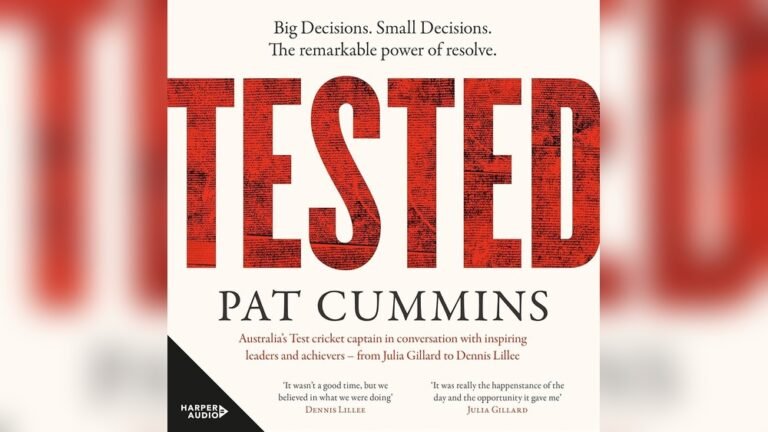
Imagine hearing a Test captain explain his decision-making in real time, or listening to a world-class batter describe how to handle pressure. These moments can shape your thinking and improve your performance, even before you step back onto the field.
Listen to Cricket's Greatest for Free —
Keep your first audiobook forever.
Start a 30-day Audible trial and download biographies of Kohli, Warne, Tendulkar, or elite sports psychology books.
Why Audio Training Wins The Off-season
Cricket is mental as much as physical. Elite players like MS Dhoni and Steve Smith have spoken openly about the power of visualization and learning off the pitch. Audio training combines tactical education, habit-building, and motivation—without requiring you to pick up a bat. It’s flexible: you can listen while running, commuting, or even stretching.
Consider this: research from the Australian Institute of Sport found that athletes who spent 2+ hours a week on mental skills saw a 12% improvement in match performance the following year. That’s a huge edge.
Audio training also helps you see the game from different perspectives. For example, a bowler can learn how a batter thinks, or a fielder can pick up mental tricks from a wicketkeeper’s routine. Many professionals say that listening to cricket podcasts or audiobooks during the off-season helped them stay connected to the sport and learn details they never knew before.
Plus, audio content often features stories, real match examples, and interviews you won’t find in written books.
Another advantage is that audio learning can reduce mental burnout. Reading long technical books or watching video analysis can be tiring, especially after a long season. Audio lets you relax your eyes and mind, but still absorb new strategies and inspiration.
This makes it easier to keep learning, even if your body needs rest.
Building Your 90-day Cricket Audio Schedule
Let’s break your 90 days into three focused phases. Each is designed to layer skills, so you return a more complete player. You’ll get audiobook pairings, practical tasks, and common mistakes to dodge.
A key insight: the order of phases matters. Start with mindset to create strong foundations, then add tactical depth, and finish by sharpening your individual skills. Many young players jump straight to technical drills, but without the right mental base, they struggle under pressure. By following this structure, you’re building your cricket knowledge like a pyramid—stable and strong at every level.
Phase 1: Mindset & Motivation (days 1-30)
What To Listen For
- Building cricket confidence
- Handling pressure and setbacks
- Daily habits of elite players
Top Audiobook Picks
off-season Listen:
- “The Mindset: Changing The Way You think To Fulfil Your Potential” by Dr. Carol Dweck (with cricket analysis chapters)
- “Bounce: Mozart, Federer, Picasso, Beckham, and the Science of Success” by Matthew Syed
How To Listen
- Schedule 20 minutes daily—first thing in the morning or during a jog.
- Reflect after each session: Journal one insight you can use.
Try to choose a consistent time every day so it becomes a habit, like brushing your teeth. Some players find that listening while stretching or doing yoga helps them connect the mental and physical benefits.
Common Mistakes
- Skipping reflection—just listening isn’t enough.
- Choosing only entertainment—mix motivation with tactical content.
A less obvious mistake is copying someone else’s routine too closely. Your mindset is personal. Take notes on what works for you and adapt the advice, rather than just following it blindly.
Performance Impact
Players who start with mindset work build resilience, lower anxiety, and set stronger goals. You’ll notice better focus in training, not just matches.
You may also find that your motivation doesn’t dip as the off-season goes on. Many athletes struggle with energy and drive after a few weeks away from competition. Regular audio sessions help you maintain excitement for the game, even when matches feel far away.
Phase 2: Tactical Deep Dive (days 31-60)
What To Listen For
- Modern T20 and ODI strategy
- Field placements and captaincy insights
- Reading bowlers and batters
Audiobook Pairing Box
off-season Listen:
- “the Art Of Captaincy” By Mike Brearley
- “Cricket 2.0: Inside the T20 Revolution” by Tim Wigmore & Freddie Wilde
How To Listen
- Pick 2 tactical audiobooks for the month.
- Pause and replay key moments—visualize the scenario.
- Discuss with a friend or coach—test your understanding.
If you hear about a clever field placement, draw it out or set up cones at practice. The key is turning what you hear into something you can use on the field.
Common Mistakes
- Passive listening—engage actively, don’t multitask constantly.
- Ignoring formats—understand how T20 tactics differ from Tests.
A subtle mistake is thinking tactics are only for captains. In reality, every player benefits from knowing why certain decisions are made. Bowlers, for example, can adjust their plans if they understand the captain’s strategy.
Use-case Picks
- Captains: Prioritize leadership content and field setting breakdowns.
- Bowlers: Focus on white-ball matchups and death-over strategies.
- Batters: Target books analyzing top-order pacing and strike rotation.
Performance Impact
You’ll make faster decisions under pressure. Expect to read the game better—like when to switch fields or accelerate run rate.
Players often report feeling “one step ahead” when they’ve listened to tactical content. You might recognize a batting pattern from an audiobook and adjust your own approach to counter it.
Phase 3: Skill-specific Sharpening (days 61-90)
What To Listen For
- Technical breakdowns (batting, bowling, fielding)
- Mental routines for pre-match and in-game focus
- Recovery and injury prevention
Audiobook Pairing Box
off-season Listen:
- “No Spin: My Autobiography” by Shane Warne (elite spin bowling tips)
- “cricket Explained” By Robert Eastaway (fundamentals For All Ages)
How To Listen
- Match audio sessions to your weakest skill—e.g., listen to fielding while practicing throws.
- Replay technical sections while shadow-practicing the movement.
- Log what works—track improvement in a notebook.
If you’re working on a new shot, listen to expert breakdowns before you practice. This helps your mind and body connect, improving results faster than drilling alone.
Common Mistakes
- Listening only to stars—sometimes, basic technique books unlock more.
- Neglecting recovery—injury prevention content is critical.
Another common mistake is ignoring the mental side of skill execution. Audio routines about pre-ball routines or focus can help you perform skills under pressure, not just in nets.
Performance Impact
This phase builds muscle memory. You return with new drills, sharper technique, and fewer technical gaps.
Many players find that their confidence in their weakest area grows. They stop avoiding certain skills in training and start seeking challenges.

Credit: gostanford.com
Comparing Audio Training: Cricket Vs. Traditional Off-season
A direct look at how an audio plan stacks up against traditional routines:
| Aspect | Audio Training | Traditional Off-Season |
|---|---|---|
| Mental Skills | Daily, flexible, can stack with fitness | Often neglected or sporadic |
| Game Knowledge | Deepens understanding with stories & analysis | Limited to coach sessions or matches |
| Motivation | Consistent inspiration from legends | Drops after tournaments end |
Traditional off-season plans often focus only on physical fitness or technical nets. While these are important, they leave out the mindset and strategic growth that can make the difference in tight games. Audio training fills that gap, letting you grow in areas your rivals might ignore.
90-day Listening Schedule Breakdown
Here’s a suggested week-by-week structure to keep you on track and engaged.
| Week | Theme | Example Audiobook/Podcast | Primary Focus |
|---|---|---|---|
| 1-2 | Mindset Foundation | “The Mindset” | Resilience, Growth Attitude |
| 3-4 | Motivation & Habits | “Bounce” | Goal Setting, Consistency |
| 5-6 | Modern Tactics | “Cricket 2.0” | T20/ODI Strategy |
| 7-8 | Captaincy & Leadership | “The Art of Captaincy” | Field Placements, Team Dynamics |
| 9-10 | Technical Mastery | “No Spin” | Bowling Mechanics, Mind Games |
| 11-12 | Fundamentals & Recovery | “Cricket Explained” | Basic Skills, Injury Prevention |
If you want extra variety, consider mixing in cricket podcasts. These often feature current players and coaches discussing recent matches and trends, giving you up-to-date insights.
Common Mistakes In Off-season Audio Training
Many cricketers start strong but lose steam or miss the point of audio routines. Here’s how to avoid the most common pitfalls:
- Ignoring Consistency: Sporadic listening gives weak results. Make it a daily habit, not just a weekend binge.
- Skipping Skill Application: If you don’t try out what you learn, knowledge fades.
- Choosing Only Famous Stories: Not all great players are great teachers. Blend celebrity tales with practical guides.
- Over-multitasking: Listening while distracted (e.g., gaming or texting) reduces retention.
- Neglecting Feedback: Discuss new ideas with a coach or peer to test your understanding.
Another mistake is never revisiting old notes. Every few weeks, review your journal entries to see which ideas actually helped. Sometimes, an insight only clicks after you’ve heard it a second time.
Who Should Use This 90-day Audio Plan?
- Aspiring club cricketers who want to break into the first team.
- School and college athletes looking to balance studies and skill growth.
- Injured players needing a way to learn while recovering.
- Captains and coaches aiming to inspire their squads with fresh ideas.
If you want more than just fitness, this plan is for you.
Even experienced players benefit. The cricket world changes quickly—new tactics, formats, and fitness trends appear every season. Regular audio learning helps you keep pace and stay relevant.

Credit: www.siouxfallslive.com
Do/don’t Guide For Off-season Audio Training
Here’s a quick reference to keep you on the right track:
| Do | Don’t |
|---|---|
|
|
Practical Audiobook Pairing Tip
If you’re doing fielding drills, try listening to “Cricket Explained” for technique reminders between reps. For morning runs, “Bounce” is perfect to boost motivation and mental energy.
If you want a social element, organize a small group to listen to the same audiobook and meet weekly—online or in person—to discuss key lessons. This helps keep everyone accountable and makes learning more enjoyable.

Credit: www.sportsnet.ca
The Real-world Edge: Audio Training For Cricketers
Cricket is evolving. Players who use the off-season to train mentally—through audible learning—come back sharper, more adaptable, and ready to read the game. Audio training is your secret weapon: it fits any schedule, multiplies knowledge, and keeps you connected to the sport even when you’re off the field.
Unlike video analysis, audio can be replayed anywhere—on a walk, during chores, or while relaxing. This flexibility means you don’t have to sacrifice other parts of your life to keep improving.
For more ideas and a list of top-rated cricket audiobooks, check out the official ICC audio library.
Frequently Asked Questions
What Is The Biggest Benefit Of Audio Training For Cricketers?
The main benefit is mental sharpness. You absorb tactics, motivation, and habits from the best—without needing a coach or net session every day.
Audio learning also builds discipline and helps you develop a habit of regular self-improvement, which is valuable both on and off the field.
How Do I Choose Which Cricket Audiobooks To Listen To?
Pick books that match your current skill gaps or goals. For example, if you struggle with captaincy, listen to leadership-focused content. Mix technique, tactics, and mindset.
Also, look for recommendations from coaches or senior players. Sometimes, a less famous title offers exactly the advice you need.
Can I Listen To Non-cricket Audiobooks During This Plan?
Yes. Many principles in sports psychology or biographies of other athletes apply to cricket. Just keep the core of your listening cricket-focused.
Mixing in other sports can actually open your mind to new tactics or motivation techniques you haven’t considered.
What If I Miss A Week In The Schedule?
Don’t stress. Pick up where you left off. Consistency over the long run is what matters.
One missed week won’t undo your progress. The key is to return with intention and not abandon the plan altogether.
Is There A Best Time Of Day For Audio Training?
Morning works best for most players—your mind is fresh and ideas stick longer. But the key is daily listening, so find a time that fits your routine.
Some players prefer evenings to review the day and set intentions for tomorrow. Try both and stick with what feels natural.
Take the next 90 days seriously, and your off-season will become your competitive edge. When you return, you’ll notice the difference—not just in your stats, but in your presence and confidence on the pitch.