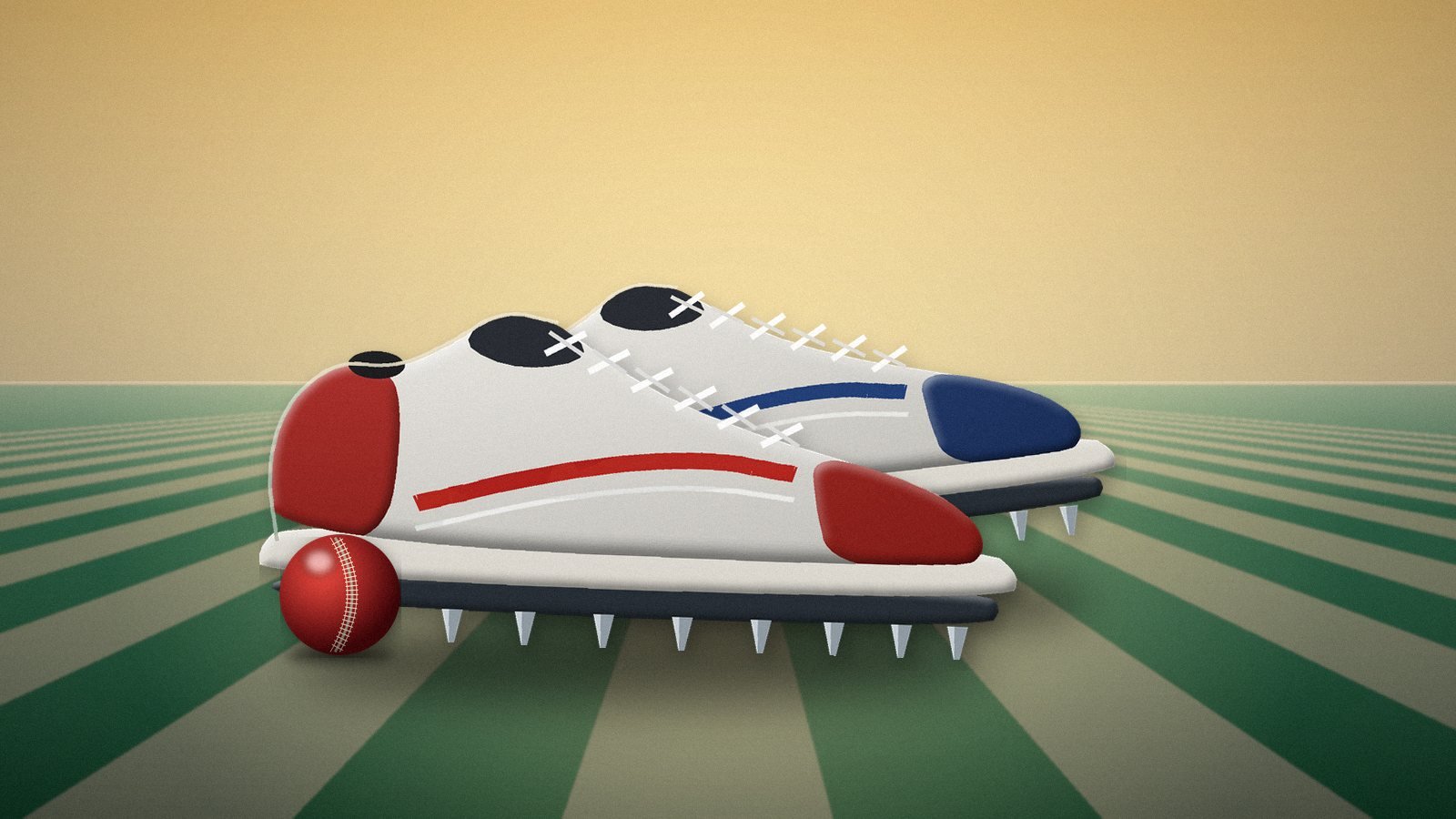
Knowing how to choose cricket shoes matters, because your shoes are the foundation for everything else you do on the field. Whether you’re running between the wickets, bowling at full pace or diving to stop a boundary, your cricket shoes decide how stable and comfortable you are. With so many options on the market, here is how to pick the right pair.
What follows is the short version of what actually decides whether a pair works for you, in the order it is worth thinking about them. Most people get 1 and 2 right and then spend their money on everything else.
1. Understand Your Playing Surface
The first step is knowing the surface you’ll play on most often, because it decides the sole you need. Surface even changes how you move: one study of fast bowlers found measurable differences in bowling kinematics between grass and artificial pitches. Here’s how it breaks down:
Artificial Turf or Indoor Surfaces: For artificial pitches, indoor nets and hard, dry outfields, rubber-soled cricket shoes (often called “rubbers”) are your best bet. The pimpled sole grips without damaging the surface, and many clubs and indoor centres do not allow metal spikes on artificial pitches at all.
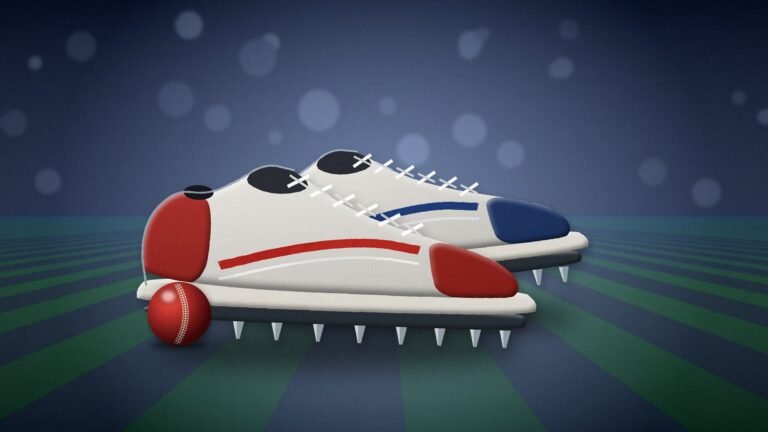
Grass Pitches: If you’re playing on natural grass, especially when it is soft or damp, you’ll want spiked cricket shoes. Spikes dig into the turf, giving grip and stability when bowling or changing direction. Fast bowlers usually prefer full spikes, including under the front of the foot, for a secure landing; many batters choose half-spikes, with spikes at the front and a rubber heel.
2. Focus on Comfort and Fit
If your shoes aren’t comfortable, nothing else matters: aching feet and blisters will cost you concentration over a long day in the field.
When shopping for cricket shoes, prioritize cushioning, especially in the heel and midsole. These areas absorb impact and reduce strain on your joints during long matches. A snug fit is equally important. Shoes that are too tight can cause blisters, while loose ones may lead to instability. Always try on shoes before buying them. Walk around, jog a bit, and even mimic bowling or batting movements to see how they feel.
Buying online without checking the fit is a common and expensive mistake, because sizing and width vary between brands. If you cannot try a pair on, measure your foot in the evening, when it is at its largest, and wear your cricket socks when you do.
3. Consider the Shoe Material
The material of your cricket shoes affects both durability and breathability. Look for shoes made from lightweight, breathable materials like synthetic fabrics or mesh. These materials keep your feet cool and dry, even during intense matches under the sun.
Synthetic materials are also durable, which means your shoes will last longer despite regular wear and tear. Leather is another popular option, offering a premium look and feel, but it tends to be heavier and less breathable. Choose based on your priorities—durability or breathability.
Tip: If you play in hot weather, choose shoes with plenty of mesh ventilation to keep your feet cooler and drier.
4. Look for Ankle Support
Ankle support matters most for bowlers and anyone who makes sharp, sudden movements. Higher-cut shoes add support around the joint, which many bowlers find reassuring on landing.
That said, higher-cut shoes can slightly limit mobility, so they might not be ideal for batsmen or fielders who rely on agility. Lower-cut shoes, on the other hand, offer greater freedom of movement but less ankle protection. It’s all about finding the right balance for your playing style.
5. Check the outsole
The outsole is the part of the shoe that meets the ground, so it is worth paying attention to. Look for a sturdy sole that is firmly bonded to the upper, because that is where cheap shoes fail first.
For grass pitches, look for shoes with removable metal or plastic spikes. These spikes can be replaced as they wear down, extending the life of your shoes. On artificial turf, rubber outsoles with multidirectional treads work best, providing excellent traction without damaging the surface.
6. Look for Traction Features
Good traction prevents slipping, which matters most for bowlers. On grass, especially when it is damp, spikes give the best grip. On artificial pitches and indoor floors, look for durable rubber outsoles with multidirectional treads, which let you change direction quickly without losing your footing.
7. Evaluate Cushioning and Comfort
Cushioning isn’t just about comfort—it’s about performance. Adequate padding in the insole absorbs shock, protecting your feet and knees during high-impact activities like sprinting or jumping.
Lightweight shoes are great for enhancing speed and agility, but don’t sacrifice cushioning for weight. Strike a balance that suits your playing style.
8. Evaluate Durability and Maintenance
Investing in high-quality cricket shoes pays off over a few seasons. Durable materials stand up to regular play, and easy-to-clean designs save you time.
Look for reinforced stitching and sturdy construction in high-wear areas like the toe box, which bowlers drag through the crease, and the outsole. Cleaning off dirt and mud after each use extends their life; we cover it in detail in How to Take Care of Your Cricket Shoes.
9. Budget Considerations
While it’s tempting to go for the cheapest option, remember that quality often comes at a price. Set a realistic budget that allows you to invest in a good pair of cricket shoes.
A well-constructed pair will usually perform better and last longer, so it can cost less per season than a cheap pair you replace every year.
10. Research Brands and Reviews
Before making a purchase, take the time to research different brands and models. Read reviews from other players to gauge their experiences with specific shoes. Pay attention to feedback on comfort, durability, and performance.
Final thoughts on how to choose cricket shoes
By understanding your playing surface, focusing on fit and comfort, considering ankle support, and evaluating traction and durability, you can make an informed decision.
Buy for the surface you play on most, make sure they fit, and you’ll have shoes that support your game rather than distract from it.
Picks by surface
| Model | Sole | Best for | Price |
|---|---|---|---|
| Gunn & Moore GM Spike | Spiked | Grass pitches and outfields | Check on Amazon |
| Gunn & Moore Original Spike | Spiked | Grass, including soft or damp conditions | Check on Amazon |
| SOLM8 S8 | Spiked | Grass pitches on a budget | Check on Amazon |
| Puma 22 FH | Rubber sole | Artificial pitches, matting and indoor nets | Check on Amazon |
| Puma Classicat | Rubber sole | Hard, dry grounds and artificial surfaces | Check on Amazon |
| New Balance Cricket 4020 | Rubber sole | Artificial pitches and practice | Check on Amazon |
| New Balance Cricket 4040 | Rubber sole | Artificial pitches, with more support | Check on Amazon |
Frequently Asked Questions
How do you choose cricket shoes?
Start with the surface you play on most: spikes for natural grass, rubber soles for artificial pitches, indoor nets and hard, dry grounds. Then check fit and cushioning, especially in the heel and midsole. After that, weigh ankle support, outsole quality, material and durability against your budget.
When is the best time to measure your feet for cricket shoes?
Measure your feet in the evening, when they are at their largest, and wear your cricket socks while you do it. Sizing and width vary between brands, so buying online without checking the fit is a common mistake. If you can, try shoes on and mimic batting or bowling movements before buying.
Should bowlers wear high-cut or low-cut cricket shoes?
Many bowlers prefer higher-cut shoes, which add support around the ankle on landing. Higher cuts can slightly limit mobility, so batters and fielders who rely on agility often choose lower-cut shoes, which give more freedom of movement but less ankle protection. Pick the balance that suits your role.
Are leather or synthetic cricket shoes better?
Synthetic and mesh shoes are lighter, more breathable and durable, which keeps feet cooler in hot weather. Leather offers a premium look and feel but tends to be heavier and less breathable. Choose based on your priorities, and avoid drying leather uppers next to a heater, which can crack them.
Are spiked shoes better than rubber soles?
Neither is better in general; it depends on the surface. Spikes grip on grass, especially when it is soft or damp; rubber soles grip on artificial pitches, matting, indoor floors and hard, dry grounds. Buy for the surface you play on most, and check your club’s rules, because spikes are often banned on artificial pitches.
How do I tell which surface a shoe is for?
The sole gives it away: spiked shoes have metal (or sometimes plastic) studs screwed into the sole, while rubber soles have small pimples or a patterned tread across the whole sole. Spikes mean grass; an all-over rubber pattern means artificial, indoor or hard surfaces.
How tight should cricket shoes be?
Snug, without your foot moving inside. A shoe that lets the foot slide makes you less stable and is a common cause of blisters.
Do I need new spiked shoes every season?
Check the studs rather than the calendar. When they are worn smooth or bent they no longer bite into the surface, and at that point the shoe is a grip risk whatever it cost.
Are expensive cricket shoes worth it?
The difference shows up in the upper, the heel counter and the studs. If you play twice a week or more, a pair with a firm heel counter and replaceable studs is worth paying for; on a tight budget, buy the right sole for your surface before anything else.
What about wet conditions?
Wet grass is where spikes earn their place: rubber soles slip on damp turf, which is risky for bowlers in particular. Wipe and dry your shoes after a wet game, and avoid leaving leather uppers to dry next to a heater, which can crack them.
Heavy kit, light on delivery fees
Bats, nets and kit bags are bulky. New Prime members can try fast, free delivery on eligible items.
Turn travel time into cricket time
Cricket biographies, coaching and sports-psychology titles on audio. New members can try Audible free.
We may earn a commission or sign-up bonus at no cost to you. Free trials are for new members; terms apply. As an Amazon Associate we earn from qualifying purchases.