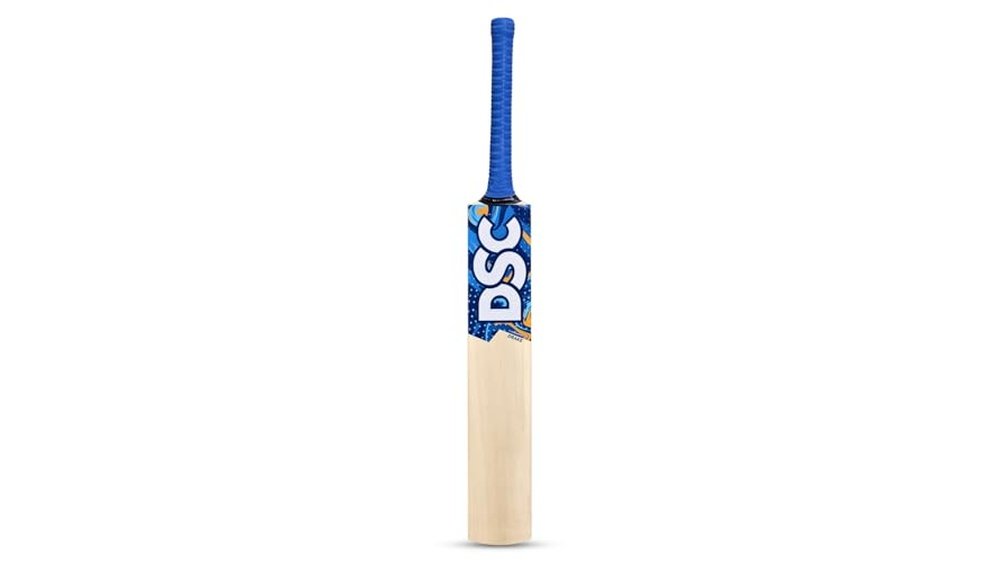

When I first picked up a cricket bat as a kid, I had no idea about cricket bat maintenance or how much care and attention it would need to stay in top shape. Back then, I thought all you had to do was swing it hard and hope for the best.
Spoiler alert: that’s not how it works. Over the years, I’ve learned that a well-maintained cricket bat isn’t just a tool—it’s a companion on the field. With proper care, your bat can last a lifetime, delivering consistent performance and becoming a cherished part of your cricket journey.
If you’re reading this, chances are you want to know how to take care of your cricket bat properly. Trust me, it’s easier than you think! In this guide, I’ll walk you through everything you need to know about cricket bat maintenance and care. From cleaning and oiling to knocking in and storing, we’ll cover it all. By the end of this article, you’ll have the knowledge to keep your bat in pristine condition for years to come.
Why Cricket Bat Maintenance Matters?
Before we dive into the nitty-gritty, let’s talk about why maintaining your cricket bat is so important. A cricket bat is made from willow wood—a material known for its strength and flexibility. But here’s the thing: willow is also delicate. Without proper care, it can dry out, crack, or even split under pressure.
I once ignored my bat’s maintenance routine during a busy season. Big mistake. By the time I realized what had happened, there were visible cracks along the edges, and the sweet spot wasn’t as sweet anymore. Lesson learned: neglecting your bat can cost you both performance and money. On the flip side, when you invest time in maintenance, your bat rewards you with better shots, longer life, and unmatched reliability.
So, whether you’re a weekend player or dreaming of playing at Lord’s, taking care of your cricket bat should be a priority. Let’s break down exactly how to do that.
Cleaning Your Cricket Bat: The First Step to Longevity
Cleaning your cricket bat might sound basic, but it’s one of the most overlooked aspects of maintenance. After every game or practice session, give your bat a quick wipe-down with a clean, dry cloth. This removes dirt, sweat, and debris that can accumulate over time.

Here’s a pro tip: avoid using water or harsh chemicals to clean your bat. Willow is porous, meaning it absorbs liquids easily. If water seeps into the wood, it can cause swelling or warping. Similarly, abrasive cleaners can strip away the natural oils in the wood, leaving it brittle and prone to damage.
Instead, stick to a soft cloth and maybe a mild soap solution if absolutely necessary (though I rarely recommend it). For stubborn stains, gently rub the area with fine-grade sandpaper—just don’t overdo it. Remember, prevention is key. Regular cleaning ensures your bat stays looking fresh and performs at its best.
Oiling Your Cricket Bat: Keeping the Willow Supple
Oiling your cricket bat is like giving it a spa day. It keeps the wood supple, prevents cracking, and enhances its overall durability. Think of oil as food for your bat—it nourishes the willow fibers, keeping them strong and resilient.
The best oils to use are high-quality bat oil or raw linseed oil. Avoid boiled linseed oil, as it can harden too quickly and damage the wood. When applying oil, less is more. Use a soft cloth to apply a thin, even layer across the face, edges, and back of the bat. Don’t forget the toe (the bottom part of the bat), as it takes the brunt of impact during play.
Let the oil soak in overnight before buffing off any excess with a dry cloth. Repeat this process every 4-6 weeks, depending on how often you play. During the off-season, reduce the frequency to once every couple of months.
One rookie mistake I made early on was over-oiling my bat. I thought more oil meant better protection, but it actually softened the wood too much, making it vulnerable to dents. Moderation is crucial here. Stick to a light coating, and your bat will thank you.
Knocking In Your Cricket Bat: Preparing It for Action
If you’ve ever bought a brand-new cricket bat, you’ll notice it feels stiff and unresponsive at first. That’s because new bats need to be “knocked in” before they’re ready for full-strength play. Skipping this step is a recipe for disaster—I speak from experience.
Knocking in involves compressing the willow fibers to make the bat more durable and less likely to crack. Start by using a wooden mallet or an old cricket ball. Gently tap the face, edges, and toe of the bat, gradually increasing the force over several sessions. Aim for around 6-8 hours of knocking in total, spread over a week or two.
Once you’ve done the initial prep, take your bat to the nets and start hitting softer deliveries. Gradually move up to faster balls as the bat becomes more conditioned. Patience is key here. Rushing the process can lead to splits or cracks, ruining your investment.
Storing Your Cricket Bat: Protecting It Off the Field
Proper storage is just as important as regular maintenance. Leaving your bat exposed to extreme temperatures, humidity, or direct sunlight can wreak havoc on its structure.
Always store your bat in a cool, dry place. A bat cover or padded case is a great investment—it protects against moisture, dust, and accidental bumps. If you live in a humid climate, consider using silica gel packets inside the case to absorb excess moisture.
Another common mistake? Leaning your bat against a wall or leaving it in your car trunk. These habits can warp the wood or expose it to temperature fluctuations. Treat your bat like a prized possession, and it’ll reward you with years of service.
Repairing Minor Damage: Fixing Cracks and Dents
Even with the best care, accidents happen. Maybe you hit a ball too hard, or perhaps the bat got knocked around during transport. Whatever the case, minor damage doesn’t mean your bat is done for.
For small cracks, use a high-quality cricket bat repair compound or super glue to seal the area. Sand it down lightly once it dries to smooth out the surface. Larger cracks may require professional repair, so don’t hesitate to consult a specialist if needed.
Dents in the toe or edges can often be steamed out. Place a damp cloth over the affected area and apply gentle heat with a hairdryer. The steam softens the wood, allowing it to regain its original shape. Just be careful not to overheat the bat!
Conclusion: Invest in Care, Reap the Rewards
Taking care of your cricket bat might seem like extra work, but —it’s worth every minute. A well-maintained bat not only performs better but also lasts longer, saving you money in the long run. Plus, there’s something special about knowing you’ve nurtured your bat through countless matches and seasons.
By following these simple steps—cleaning regularly, oiling appropriately, knocking in carefully, storing correctly, and repairing promptly—you’ll ensure your cricket bat remains a reliable partner on the field. So grab your cloth, oil, and mallet, and give your bat the TLC it deserves. Here’s to a lifetime of unforgettable cricket moments!