We went looking for professional cricketers who listen to audiobooks, and the honest answer is that we did not find any. There is no public record of a top player crediting an audiobook with helping them learn faster, and we would rather tell you that than invent one.
What does exist is narrower and more interesting. Cricketers demonstrably read. When Sportstar asked five of them what they were reading on World Book Day in 2020, the answers included Rahul Dravid, who was part way through Range by Daniel Coyle, a book about how experts are made. And there is one clear case of a cricketer making an audiobook: Rahul Dravid narrated a children’s story about cricket and mathematics for Karadi Tales in 2009.
So the useful question is not whether professionals listen to audiobooks. It is what the format is genuinely good for, and whether it earns a place in a cricketer’s week. This page covers both, and it will tell you plainly where the evidence runs out.
Listen to Cricket's Greatest for Free —
Keep your first audiobook forever.
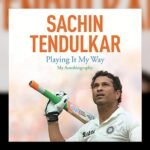
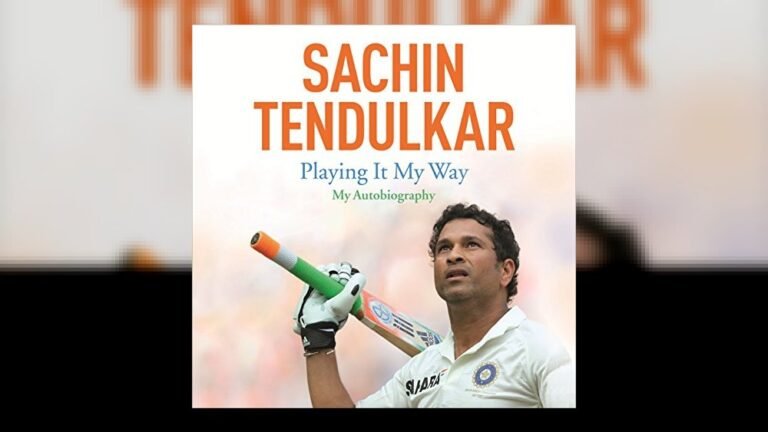
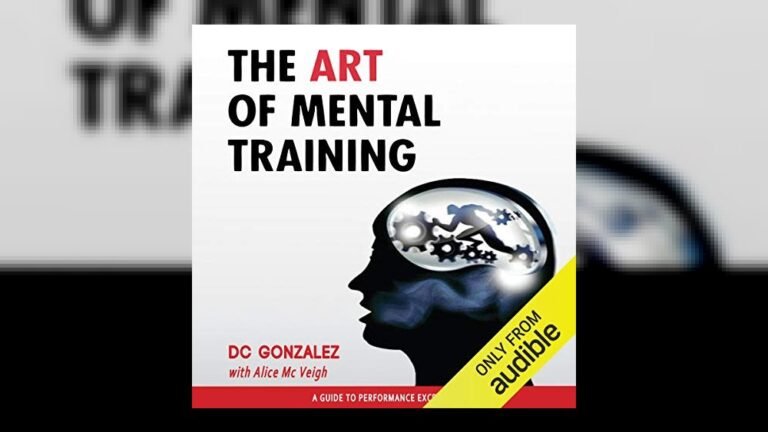
Start a 30-day Audible trial and download biographies of Kohli, Warne, Tendulkar, or elite sports psychology books.
The facts
| Audiobook | Who it is for | Length | Read by |
|---|---|---|---|
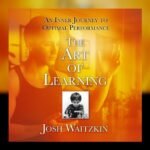
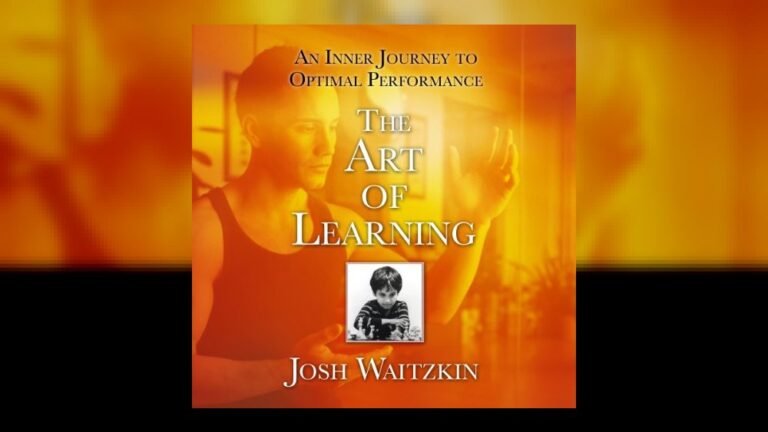
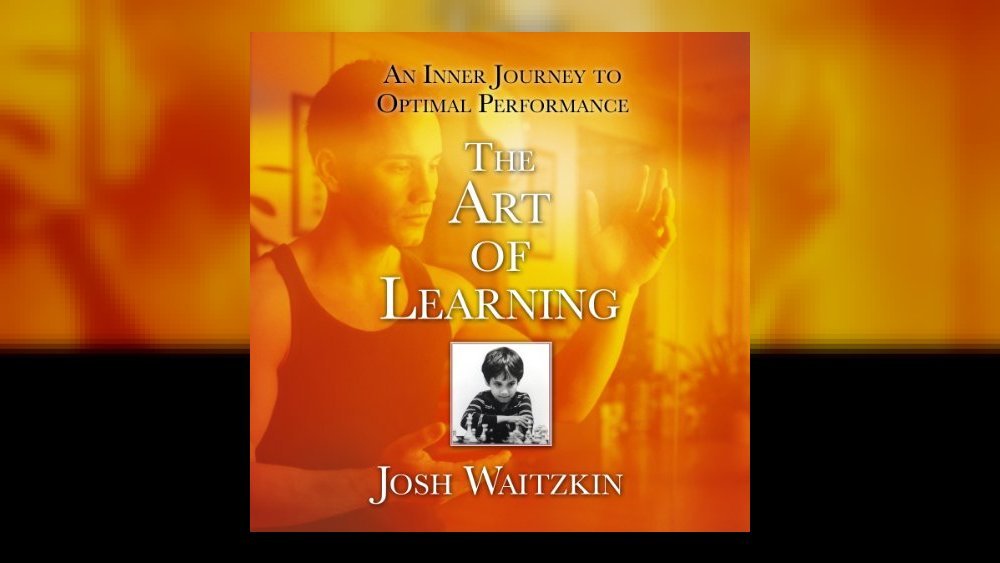
| The Art of Learning Josh Waitzkin | Anyone who wants to learn deliberately rather than accumulate hours | 7 hr 55 min | Josh Waitzkin |
| Test Cricket Tim Wigmore | Anyone who has wanted to read a history of Test cricket and never got round to it | 22 hr 42 min | Richard Atlee |
| Crickonomics Stefan Szymanski and Tim Wigmore | Coaches and players who want to understand how the modern game is run | 13 hr 57 min | David Thorpe |
| Hitting Against the Spin Nathan Leamon and Ben Jones | Anyone who wants to know how cricket really works | 9 hrs | Nathan Leamon |
| The Art of Batting Jarrod Kimber | Batters who want a technical vocabulary they can use | 10 hr 10 min | Jarrod Kimber |
| The Mindful Athlete Audio Companion George Mumford | Anyone who wants a short, practical session | 1 hr 50 min | George Mumford |
| The Analyst Inside Cricket Simon Hughes | Free, and the closest thing to professional analysis on the subject | Podcast | Free to listen |
| The Final Word Cricket Podcast Adam Collins Geoff Lemon | Free, and the best argument between people who know the game | Podcast | Free to listen |
What it covers
The Art of Learning

Josh Waitzkin won the US National Chess Championship at nine, and The Art of Learning is his account of what actually produced that. It is not the story of a prodigy, which is what makes it useful. It is a book about how a hard skill is acquired, and about why most people practise the easiest version of the thing they are trying to learn.
Two ideas transfer straight to a cricketer. The first is that practice must be at the edge of what you can do, which is uncomfortable by definition. The second is the separation of learning from performing. The two look identical from outside and they are not, and confusing them is how a winter of net practice turns into a winter of repeating what already works.
He reads it himself, and the chapter on how to study is the one worth the time.
Read by Josh Waitzkin · Tim Ferriss. Listen on Audible
nnTest Cricket

Test Cricket is Tim Wigmore’s history of the format, and at twenty-two hours and forty-two minutes it is the longest book in this list. It won the Sunday Times Sports Book of the Year in 2025, and it is very good.
We are including it here for a reason that has nothing to do with reviews. A book this long is genuinely difficult to read on a tour bus, in a hospital, or on a Sunday. It is straightforward to listen to over a series of journeys, because you can stop at any point and pick up the thread a fortnight later without having lost your place in the argument.
That is the real argument for audio over a long book, and this is the best example of it. Read by Richard Atlee for Quercus.
Read by Richard Atlee · Quercus. Listen on Audible
nnCrickonomics

Crickonomics is by the economist Stefan Szymanski and Tim Wigmore, read by David Thorpe, and it takes a financial and analytical view of the modern game: the auction, the franchise model, the economics of the calendar and what each change is worth.
For a cricketer it is mostly a lesson in how the industry you work in is actually structured, which is not something the dressing room teaches you. It was shortlisted for the Sunday Times Sports Book Awards in 2023.
Thirteen hours and fifty-seven minutes. A slow start, then it becomes genuinely hard to put down.
Read by David Thorpe · Bloomsbury Sport. Listen on Audible
nnHitting Against the Spin

Hitting Against the Spin by Nathan Leamon and Ben Jones is nine hours long and is the best explanation of the mechanics of the game we have found in audio. The Times picked it as a best sports book of 2021, and Eoin Morgan called it a must-read for any cricketer, coach or fan.
The subject is not spin bowling. It is what the ball does, why it does it, and why the outcomes people describe as luck are more predictable than they look. Leamon reads it himself.
This is the sort of title that changes how you watch a match, and it is a good demonstration of the format for a book about a game with a lot of moving parts.
Read by Nathan Leamon · Little, Brown Book Group. Listen on Audible
nnThe Art of Batting

The Art of Batting is Jarrod Kimber’s account of how the best batsmen in the world construct an innings, and it was a nominee for the William Hill Sports Book of the Year in 2025. Ten hours and ten minutes, read by the author.
Kimber has spent twenty years studying footage of elite batters, so the detail is exceptional. What makes it useful for a player rather than just interesting is that it is built around decisions. Why take that risk now, why leave that one, and how do you read the field well enough to know which applies.
A good title for a player who feels they are reacting rather than choosing.
Read by Jarrod Kimber · Bloomsbury Sport. Listen on Audible
nnThe Mindful Athlete Audio Companion

The Mindful Athlete Audio Companion is one hour and fifty minutes and it is the only genuinely short title here. George Mumford narrates it himself, and he has worked with a lot of elite American athletes.
The material is simple: attention, breath, and noticing what you are actually doing under stress rather than what you think you are doing. The reason it earns a place on a list about learning is that it is the sort of thing you can do in the ten minutes before a session, and it is not a framework to study.
Useful as the thing you actually do, while the longer books sit on the car journey.
Read by George Mumford · BetterListen. Listen on Audible
nnThe Analyst Inside Cricket
The Analyst Inside Cricket is a free podcast from Simon Hughes, the former Middlesex bowler, alongside the BBC’s Simon Mann and former England wicketkeeper. It is analysis, opinion and insight rather than a narrative, and it is the most useful thing here for keeping your cricket brain active between matches.
It is also the answer to the question of what a professional actually sounds like when he is working through a problem in public. Hughes has been doing it on television for years, and the podcast is the same thinking with more time to spend on it.
Free to listen, episodic, and the closest thing on this list to a working professional cricketer thinking out loud.
Hosted by Simon Hughes. Listen on Audible
nnThe Final Word Cricket Podcast
The Final Word is hosted by Geoff Lemon and Adam Collins, and their own description of it is a friendly guide to the world’s strangest sport. It is irreverent enough to be funny and rigorous enough to be worth the time.
For a player who wants to keep thinking about cricket, the value of a podcast is different from the value of a book. It is a conversation rather than an argument, and you can hear two people who disagree with each other and respect each other doing it.
Free, episodic, and better suited to a drive than to a practice session.
Hosted by Adam Collins Geoff Lemon. Listen on Audible
nnWho it is for, and who it is not
This is for a cricketer who wants to know whether the audiobook thing is real or just something the internet says. We think the format is genuinely useful and the professional-player evidence is thin, and this page separates those two things properly.
It is also for a coach or a club administrator who needs to build a learning habit in a player who will not read. Audio removes one real barrier: it can happen in a car, on a bus, on a treatment table and on a walk.
How to get the most from it
Read this as a distinction rather than a verdict. Professional cricketers are documented readers. There is no documented audiobook habit at the top level that we could find. That does not make the format wrong for a club player, a junior, or a retired professional with a long drive to fill.
If you want the format to work, choose books where listening loses nothing. That means narrative, argument and explanation rather than diagrams, reference tables, or anything you will need to look at again.
Start with the free options, because they are free and because the barrier to listening at all is usually the first one. If you already listen to cricket podcasts without trouble, you already have the habit and you are choosing the wrong problem.
One more thing worth saying plainly. A cricketer learning faster is mostly not an audiobook problem. It is a volume of reps problem, a coaching problem, or a specificity problem, and no format substitutes for any of those three.
- Try the free podcast first: it tests the habit at no cost.
- Choose narrative and argument, not reference: those are the books audio does not damage.
- Use the format for the long ones: a nine-hour book is a trip, a twenty-two-hour book is not.
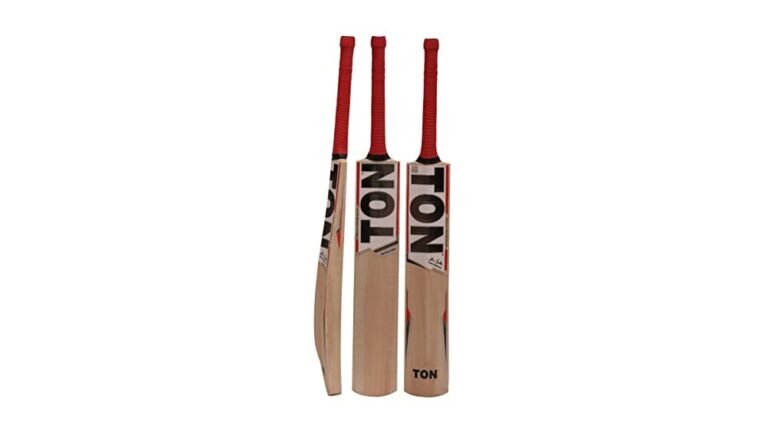
- Keep the physical kit nearby: listen on the way to the ground, not instead of training.
- Do not overclaim it: the audio habit is a small edge, and it is a small one.
Common questions
Do professional cricketers actually listen to audiobooks?
We could not find a single documented example of a professional cricketer crediting an audiobook for their learning, and we did not want to invent one. What is documented is that they read. Sportstar’s World Book Day piece in 2020 asked Rahul Dravid, Leander Paes, Sanjay Manjrekar, Mithali Raj and VVS Laxman what they were reading, and Dravid was part way through Range by Daniel Coyle. One cricketer has also made an audiobook: Dravid narrated a fourteen-minute children’s story about cricket and mathematics for Karadi Tales in 2009.
Has a cricketer ever made an audiobook?
Yes, one that we can verify. Rahul Dravid narrated Crickematics!, a children’s story by Anshumani Ruddra about a boy who uses cricket to understand mathematics. It was published by Karadi Tales in 2009 and re-released digitally in 2021. It is about fourteen minutes long and it is a children’s book, so it is worth knowing that this is a small fact rather than a significant one.
What do cricketers actually read?
The documented examples are limited but not trivial. Dravid was reading Range, which is a book about how expertise is built and why specialists and generalists succeed in different ways. Sportstar’s 2020 piece covers Paes, Manjrekar, Mithali Raj and Laxman as well. Beyond that, the cricketing autobiographies in this list are the honest picture of what a cricketer reads when they read: the things they played and the things they played against.
What is audio genuinely better than print for?
Long books you would not otherwise start, and material you consume in places where you cannot hold anything. A twenty-two-hour history of Test cricket is a fortnight of journeys in audio and a month of evenings in print. Audio also carries tone and emphasis, which is why a book read by its author often lands differently from the same text read by a narrator. What audio loses is speed and the ability to re-scan, which is why we would not use it for a reference chapter.
How do I get through a twenty-hour audiobook?
Break it into journeys rather than sessions. Twenty-two hours over a hundred and fifty minutes a week is about eight months, which sounds worse and is much better than a plan involving three consecutive evenings. The practical trick is to end each sitting at a point where you know what happens next, so that resuming costs nothing.
Written by the CricketGearGuru editorial team. Every title above was checked against Audible’s own catalogue on the day this page was published, so the narrator, the running time and the edition are the current ones. The links are affiliate links, so we may earn a commission if you buy through them at no extra cost to you.