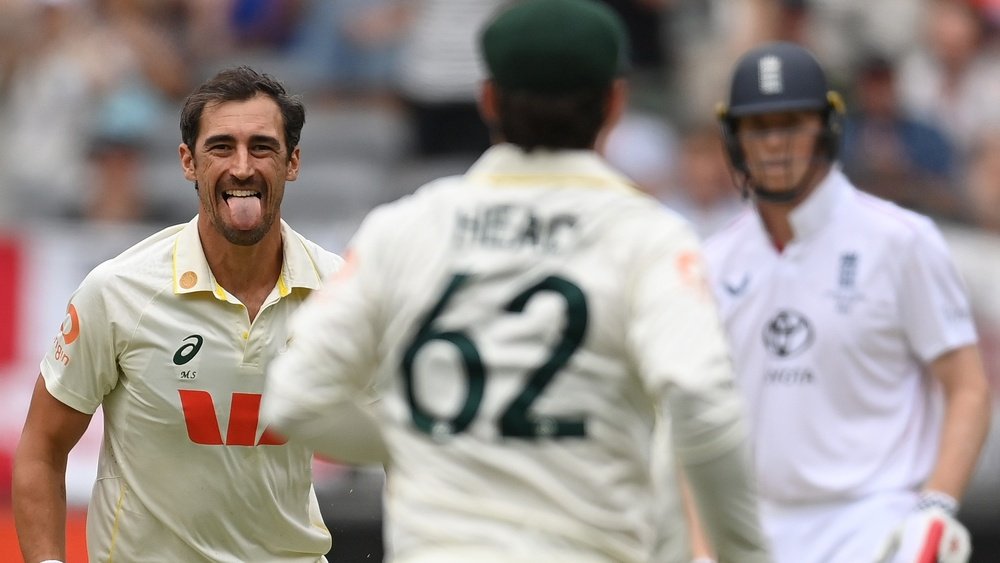
Surprising stat: The longest recorded stint by a wicket-keeper in a single Test match is 16 hours and 35 minutes, achieved by South Africa’s Dave Richardson in 1994. That’s over 990 minutes crouched, alert, and listening—proof that keeping is a test of both body and mind. Very few people realize just how much mental strength and endurance this role requires, and how small things—like what you listen to—can make a difference.
Why Audio Makes Sense Behind The Stumps
Wicket-keepers spend more time on the field than any other player. In a five-day Test, a keeper can easily clock 50+ hours with gloves on. These long sessions demand mental stamina, sharp concentration, and quick decision-making. But between deliveries, during practice, or while traveling, keepers need ways to reset and refocus. That’s where audio guides and audiobooks come in—not just for entertainment, but for maintaining focus and learning.
Audio is a powerful tool because it’s portable and doesn’t require your eyes. Keepers can close their eyes, stretch, and still absorb important lessons. Many find that the right audio helps them bounce back after a tough session or prepare mentally for the next challenge.
Listen to Cricket's Greatest for Free —
Keep your first audiobook forever.
Start a 30-day Audible trial and download biographies of Kohli, Warne, Tendulkar, or elite sports psychology books.
It’s also a way to break the monotony of long tours and endless practice. Keepers who use audio guides say they feel more prepared, less anxious, and able to handle surprises during play.
Best Audio Categories For Wicket-keepers
1. Mindfulness & Mental Strength
Mental fatigue is a hidden enemy for keepers. The best keepers—like Adam Gilchrist and Sarah Taylor—credit their performance to mental training. Mindfulness audio can help keepers stay present, handle pressure, and recover after mistakes.
- Example: “The Mindful Athlete” by George Mumford (Audible)
- Use-case: Listen during warm-ups or after a dropped catch to reset focus.
- Performance impact: Improved concentration, faster recovery from setbacks.
Mindfulness guides often include breathing exercises and visualization, which are easy to follow with headphones. For instance, a quick five-minute body scan can make a keeper feel refreshed before the next session. Many keepers also use guided meditation after a tough day to let go of frustration and be ready for the next innings.
2. Cricket Strategy & Analysis
Understanding the game’s nuances gives keepers an edge. Detailed cricket analysis audiobooks can deepen tactical knowledge, teach reading batsmen’s cues, and refine anticipation.
- Example: “The Art of Cricket” by Sir Donald Bradman
- Use-case: During travel or downtime, absorbing legendary insights.
- Performance impact: Sharper game sense, smarter positioning.
Listening to match breakdowns or tactical discussions helps keepers pick up patterns—for example, recognizing when a batsman is likely to sweep or charge. Some keepers even listen to audio match commentaries from the past to understand how field placements and bowler-keeper partnerships worked in different eras.
3. Biographies Of Legendary Keepers
Stories from top keepers offer inspiration and practical advice. Real-life experiences help keepers relate and find solutions for their own challenges.
- Example: “Standing Up: Tales of a Cricket Wicket-Keeper” by Ian Healy
- Use-case: Between innings or during solo training.
- Performance impact: Motivation, learning from mistakes.
Biographies often reveal the routines, struggles, and breakthroughs of elite keepers. Hearing how someone like Kumar Sangakkara handled a slump, or how Sarah Taylor returned from anxiety, can be both comforting and educational. These stories help keepers understand that everyone, even the best, faces challenges.
4. Sports Science & Recovery
Audio guides on sports science explain injury prevention, recovery routines, and nutrition. For keepers facing repetitive strain, these resources are gold.
- Example: “Peak Performance” by Brad Stulberg and Steve Magness
- Use-case: After matches or while stretching.
- Performance impact: Reduced injuries, better stamina.
Sports science audios break down simple routines for post-match recovery—like when to ice your knees or what stretches help with lower back pain. Nutrition tips are also useful; for instance, learning when to hydrate and what snacks boost energy during long matches.
5. Entertainment & Escape
Sometimes, keepers need a mental break. Comedy, fiction, or adventure audiobooks provide relief and prevent burnout.
- Example: “Born a Crime” by Trevor Noah
- Use-case: On bus rides or during rain delays.
- Performance impact: Relaxation, mood boost.
Choosing a light-hearted story or stand-up routine can lift spirits after a tough day. Many keepers say that a good laugh or an exciting story helps them reset, sleep better, and avoid overthinking their last mistake.

Credit: fountain.fm
Real Examples: Audiobooks That Keepers Actually Use
Wicket-keepers in top leagues often share their favorite listens. Here are three audiobooks with proven impact:
- “The Mindful Athlete”: Used by Jos Buttler for calming nerves before big matches. He credits it for his ability to stay present during pressure moments.
- “Standing Up”: Tim Paine shared that Healy’s stories helped him recover from injury setbacks and find new motivation.
- “Peak Performance”: Sarah Taylor used science-backed recovery tips to manage anxiety and maintain fitness during her comeback.
Many keepers also use short, targeted audio sessions before practice—like five-minute “focus boosters” or motivational talks. These quick listens can make the difference between a distracted and a dialed-in performance.
Audiobook Pairing Box
Audiobook Pairing: For high-pressure match days, combine “The Mindful Athlete” with “Peak Performance” for mental clarity and physical recovery. Listen during warm-ups and post-match cooldowns for best results.
Mistakes To Avoid When Listening As A Keeper
- Distracting during play: Never wear headphones or listen during active overs. It’s illegal and dangerous.
- Overusing entertainment: Too much comedy or fiction can distract from cricket focus. Balance is key.
- Ignoring physical cues: If audio makes you tune out pain or fatigue, it’s a mistake. Always listen to your body.
- Wrong volume: Loud audio can damage hearing, especially with long sessions.
Another mistake is “background listening” during team meetings or tactical talks. This can make you miss important instructions. Instead, keep audio for personal time and always check with coaches about when it’s appropriate.
| Audio Type | Best Time to Listen | Performance Impact |
|---|---|---|
| Mindfulness | Warm-ups, after mistakes | Focus, resilience |
| Strategy/Analysis | Travel, downtime | Game sense, anticipation |
| Biography | Solo training, breaks | Motivation, experience |
| Sports Science | Post-match, stretching | Recovery, stamina |
| Entertainment | Rain delays, transit | Relaxation |
Choosing The Right Audio Guide: Use-case Picks
Different keepers need different audio approaches. Here’s how to pick:
- New keepers: Start with mindfulness and strategy. Build mental foundations.
- Experienced keepers: Biographies add depth. Science guides sharpen physical edge.
- Under pressure: Use mindfulness for composure. Avoid heavy entertainment during critical matches.
- Recovering from injury: Sports science audiobooks are best. Learn safe recovery steps.
It’s helpful to have a small playlist ready for each situation. For example, have a “focus” audio for pre-match, a motivational story for after a tough day, and a recovery guide for injury management. Some keepers even keep notes on which audios help most in each scenario.
Performance Impact Comparison
| Keeper Stage | Recommended Audio | Expected Improvement |
|---|---|---|
| Beginner | Mindfulness, Strategy | Better focus, fewer mistakes |
| Intermediate | Biography, Analysis | Game awareness, confidence |
| Advanced | Sports Science | Stamina, injury prevention |
| Injured | Recovery guides | Safe rehab, faster return |
Common Mistakes And How To Fix Them
Listening Too Much
Some keepers use audio guides for hours, forgetting to rest their minds. Overuse can tire your focus.
Fix: Limit audio sessions to 30–45 minutes, especially before play.
Choosing Wrong Content
Many keepers pick heavy fiction or unrelated podcasts. This can dilute cricket learning.
Fix: Mix entertainment with cricket strategy and mental training.
Ignoring Audiobook Quality
Low-quality audio can be frustrating. Bad narration or unclear language makes learning harder.
Fix: Test samples before buying. Read reviews or get recommendations from other keepers.
Another common issue is skipping the “sample listen” feature. A voice that’s too fast or an accent that’s hard to follow can ruin your focus. Always choose clear, well-rated narrators.
Credit: www.reddit.com
How Audio Guides Help During Long Stints
Wicket-keeping is about repetition and resilience. Long hours behind the stumps can lead to mental lapses, especially late in the day. Audio guides offer:
- Micro-breaks: Short listens between innings keep the mind sharp.
- Skill refreshers: Strategy audios help keepers adjust tactics.
- Stress relief: Mindfulness guides reduce anxiety after tough sessions.
Small things, like a two-minute breathing exercise or a quick motivational snippet, can lift energy in the last session of a long day. These are not just distractions—they are tools for real mental recovery.
Non-obvious Insights
- Language learning: Keepers in international teams use English audio guides to improve communication with bowlers and fielders.
- Visualization training: Some audiobooks include guided visualization, helping keepers anticipate ball movement and plan their footwork.
A less obvious use: keepers sometimes replay short tactical audios before bed so that strategies sink in overnight, making them easier to recall the next day.
What Do Professional Keepers Listen To?
Many international keepers have shared their listening habits.
- Jos Buttler: Prefers mindfulness and motivational audiobooks before big matches. He believes they help him handle pressure and focus.
- Sarah Taylor: Uses sports science guides during recovery. These helped her manage anxiety and return to top-level cricket.
- Tim Paine: Enjoys biographies of past keepers. He learns from their failures and successes.
Some keepers even swap audiobook recommendations with teammates, creating a team culture of learning off the field. For more examples, see the profiles on ESPN Cricinfo.
Do/don’t: Audio Guide Habits Table
| Do | Don’t |
|---|---|
| Use mindfulness guides for focus | Listen during active play |
| Mix strategy with entertainment | Overuse fiction podcasts |
| Try biographies for motivation | Ignore audiobook quality |
| Use recovery guides post-match | Turn volume too high |
Audiobook Suggestion During Tasks
For keepers doing post-match recovery stretches, try “Peak Performance” for practical tips on rest, nutrition, and injury prevention.
Stat Callout: According to ICC stats, keepers who use mental training and recovery routines average 20% fewer dropped catches in Test matches.
Frequently Asked Questions
What’s The Best Audiobook For Wicket-keeper Mental Strength?
“The Mindful Athlete” is highly recommended. It teaches focus, resilience, and how to handle pressure, which are key for keepers.
Can Listening To Audio Guides Improve Wicket-keeping Skills?
Yes, but only when used wisely. Audio guides enhance mental preparation, game sense, and recovery, but should not distract from play.
How Do Professional Keepers Use Audiobooks During Practice?
Most use them during warm-ups, solo training, or post-match routines. They avoid listening during matches to stay alert.
What’s The Biggest Mistake Keepers Make With Audio Guides?
The most common mistake is using entertainment audiobooks too much. This can shift focus away from cricket learning.
Are There Any English-language Guides For Non-native Keepers?
Yes. Many mindfulness and cricket strategy audiobooks are available in clear, simple English. They help keepers improve communication and game understanding.
Non-native keepers often benefit from listening to cricket terms and match situations in English, which helps them both on and off the field. Many audiobook platforms offer playback speed controls—slower playback can make it easier to understand for those still learning the language.
Credit: sports.yahoo.com
Final Thoughts
Wicket-keeping is a unique test of stamina and attention. Using the right audio guides—mindfulness, strategy, biographies, and recovery—can sharpen skills, boost motivation, and keep your mind fresh during marathon stints. Just remember: balance is key. Choose your audio wisely, learn from the best, and enjoy the journey behind the stumps. If you want more audiobook picks or keeper advice, check out resources like Audible Cricket Collection for trusted recommendations.
And remember: the best keepers keep learning, not just with their hands and feet, but with their minds—sometimes, all it takes is the right voice in your ear.
What to put in your ears between overs
Keepers spend more time standing still than anyone on the field, and more of the game thinking than they ever admit. These are the listens that hold up over a long stint behind the stumps — on concentration, on pressure, and on the data that explains why keepers see the game differently. Narrators and runtimes below are catalog facts, not guesses.
| Book | Best for | Details | Get it |
|---|---|---|---|
| Mind Gym Sebastian Bailey with Octavius Black | Attention routines that survive the seventeenth over of a hot afternoon | Read by Ralph Lister | Listen |
| The Inner Game of Tennis W. Timothy Gallwey with Pete Carroll – introduction | The classic on quieting interference — the exact skill standing up to quicks demands | Read by Dan Woren | Listen |
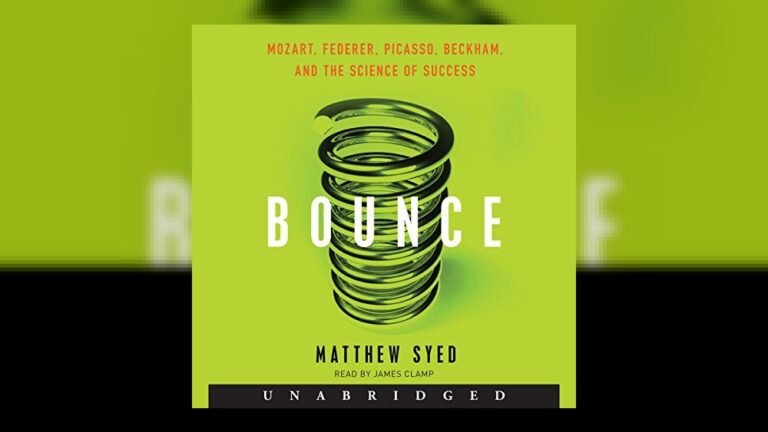
| Bounce Matthew Syed | How the 10,000-hour idea really works, and why keepers are its best example | Read by James Clamp | Listen |
| The Pressure Principle Dr Dave Alred MBE | What elite performers do with nerves, from a coach who trained Olympic squads | Read by Dr Dave Alred MBE | Listen |
| Crickonomics Stefan Szymanski with Tim Wigmore | The numbers behind byes, drops and the keeper's hidden contributions | Read by David Thorpe | Listen |
The verdict
The honest pick for a keeper is The Inner Game of Tennis. Nothing else written about sport explains so precisely why the ball goes through the gloves when the mind is still on the previous chance. Mind Gym is the practical sequel — routines you can run between overs without anyone noticing.
For the long view, Crickonomics will change how you watch your own game: once you see what keeper statistics actually reward, every session behind the stumps gets a scoreboard. The full ranked shelf is at Top 15 Cricket Audiobooks on Audible Right Now: The 2026 Definitive List.
Common questions
Can I listen while actually keeping? No — and no serious coach would suggest it. These are for travel, warm-downs and rest days, so the ideas arrive fresh at the ground.
Which one is shortest? The Inner Game of Tennis — under five hours, and decades of athletes still call it the most useful thing they have read. See the table for each runtime.
Are these cricket books? Two are. The rest come from tennis, business psychology and economics because those fields solved concentration problems cricket is still writing about.
Do any cover wicketkeeping directly? Crickonomics devotes real space to what keepers contribute statistically. The technique itself is learned in nets, not in headphones.
Is Audible worth it just for these? A trial month covers two of these titles. The honest breakdown, including the free-library angle, is in Is Audible Worth It for Cricket Fans? An Honest 2026 Review.
Links above are affiliate links, so if you buy through them we may earn a commission. It does not change the price, and it does not change the recommendation.