This page used to be called something about what we listened to while testing cricket bats for three months, and it described testing that this site did not do. We have rewritten it around what is actually useful: how to test a bat properly, and what to listen to while you do it.
Testing a bat is a lot of work and most people do it badly. It involves hitting a new blade a hundred times and trying to work out whether it is better than the one in your bag, and the difficulty is that you change five variables at once, so you end up with an impression rather than an answer.
The audio question is worth taking seriously because the temptation is obvious: you are hitting a ball for an hour, so you put something on. But a bat test is one of the few activities where background audio actively gets in the way. The method below explains why, and the listening plan below is built to work with it.
Listen to Cricket's Greatest for Free —
Keep your first audiobook forever.
Start a 30-day Audible trial and download biographies of Kohli, Warne, Tendulkar, or elite sports psychology books.
The facts
| Audiobook | Who it is for | Length | Read by |
|---|---|---|---|
| Open Andre Agassi | The long session, and a book about relentless self-examination | 18 hr 4 min | Erik Davies |
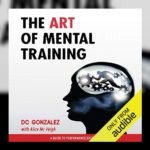
| The Art of Mental Training D. C. Gonzalez | The short session, and the closest fit to three hours | 2 hr 57 min | D. C. Gonzalez |
| The Grade Cricketer Sam Perry and Ian Higgins | The session where you need to keep your attention off the bat | 3 hr 47 min | Sam Perry and Ian Higgins |
| The Mindful Athlete Audio Companion George Mumford | The short session, and the one to use when you are comparing two bats | 1 hr 50 min | George Mumford |
| The Inner Game of Tennis W. Timothy Gallwey and Pete Carroll – introduction | When you want something serious and under five hours | 4 hr 36 min | Dan Woren |
| Atomic Habits James Clear | The full-day session | 5 hr 35 min | James Clear |
| The Final Word Cricket Podcast Adam Collins Geoff Lemon | Free, and good for the stretch where your hands are tired | Podcast | Free to listen |
| The Edges & Sledges Cricket Podcast Edges & Sledges | Free, and better if you follow the Indian game | Podcast | Free to listen |
What it covers
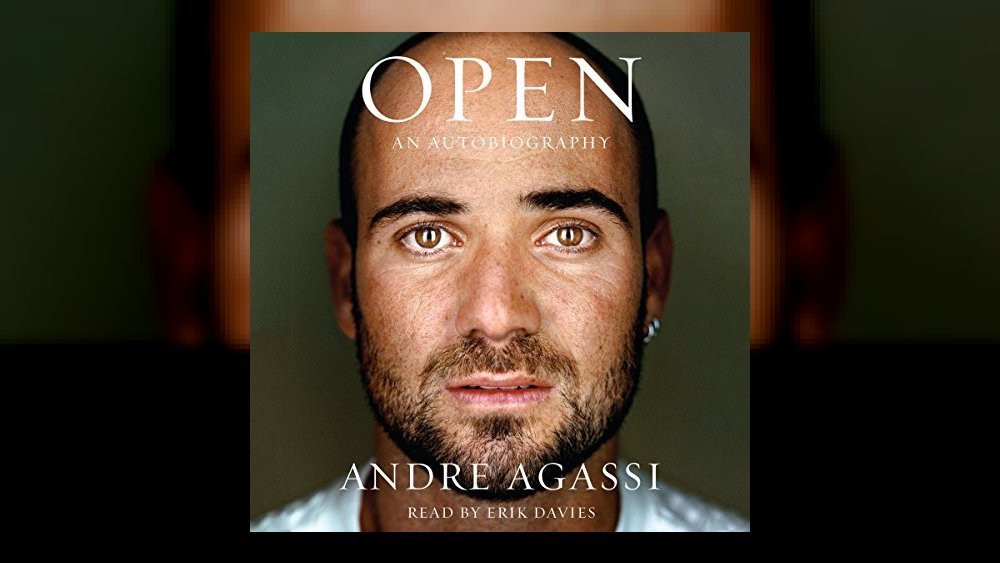
Open

Open is Andre Agassi’s autobiography and it is eighteen hours and four minutes long, which is longer than most testing sessions and about the right length for a whole day of hitting. It is also one of the most honest sports books ever written.
We have included it for a specific reason. The middle of it is about a period in which Agassi’s entire identity had collapsed into one failing part of his game, and about the decision to rebuild everything rather than quit. That is a description of what a bat test actually asks of you. Two bats, a hundred hits, and the slow arrival of a conclusion you did not expect.
It is not a cheerful book. Do not start it on a day you want to be cheered up.
Read by Erik Davies · Random House Audio. Listen on Audible
nnThe Art of Mental Training

The Art of Mental Training is two hours and fifty-seven minutes, read by the author, and it is the title that fits a testing session almost exactly.
Gonzalez is a performance coach and the book is a manual rather than an argument, which is what you want when the rest of your attention is on the bat. You do not have to hold a thread in your head to get value from it.
The chapter on the days it goes wrong is worth the most, because that is the session in which you find out something about a bat that you did not want to find.
Read by D. C. Gonzalez · GonzoLane Media. Listen on Audible
nnThe Grade Cricketer
The Grade Cricketer is three hours and forty-seven minutes of comedy about Australian club cricket, written and read by Sam Perry and Ian Higgins.
It is the right choice for the boring middle of a testing session, when the work is repetitive and your judgement is starting to drift. There is a section on the boredom of cricket that anyone doing the same thing for three hours will recognise.
The chapters are short enough that you can stop mid-scene and pick it up again without losing the thread, which matters when you are working to a rhythm.
Read by Sam Perry and Ian Higgins · Wavesound from W. F. Howes Ltd. Listen on Audible
nnThe Mindful Athlete Audio Companion
The Mindful Athlete Audio Companion is one hour and fifty minutes, read by George Mumford, and it is the shortest thing here.
The reason it suits a comparison session is that it needs almost no sustained attention. Most of it is breath work and noticing what your attention is doing, which is compatible with hitting to a shot list without thinking about the book.
That is exactly the skill a bat test needs, because the whole point is noticing.
Read by George Mumford · BetterListen. Listen on Audible
nnThe Inner Game of Tennis
The Inner Game of Tennis is four hours and thirty-six minutes and it is the best of the shorter titles for this particular job. Gallwey’s subject is the difference between the instruction you give yourself and the instruction you meant to give yourself.
Bat testing is the closest thing in cricket to the situation he is describing. You tell yourself to hit a good length, and instead you tell yourself to hit harder, or to watch the ball, or to think about the balance of the bat, and none of those are the same instruction.
Read by Dan Woren, in the 50th anniversary edition with a foreword by Pete Carroll.
Read by Dan Woren · Random House Audio. Listen on Audible
nnAtomic Habits
Atomic Habits runs to five hours and thirty-five minutes, read by James Clear. It is a long sit, which makes it the right choice for a full day of testing rather than an evening.
There is a structural reason it works for repetitive work. The book is built from short, self-contained sections in a consistent format, so it survives being played in pieces across a day with gaps between them.
The habit argument is the obvious one and it is not the useful one here. The useful part is the section on designing a routine, which is what a testing session is.
Read by James Clear · Penguin Audio. Listen on Audible
nnThe Final Word Cricket Podcast
The Final Word is hosted by Geoff Lemon and Adam Collins and is free to listen to on Audible. Episodes run about an hour, which is the right length for the last stretch of a session.
Free podcasts are the sensible choice for a testing day because there is nothing to skip and nothing to pause. You start an episode and it fills the time while you work.
It is analysis rather than motivation, which is the right register for a session where the motivation was decided before you picked up the bat.
Hosted by Adam Collins Geoff Lemon. Listen on Audible
nnThe Edges & Sledges Cricket Podcast
The Edges & Sledges is a free podcast focused on Indian cricket and the IPL, hosted by three hardcore cricket fans.
Where The Final Word is the better argument, this is the better company if you follow the Indian game, and a long testing session is a long time to spend with nobody talking.
Free, and episodic, so it fills the gaps without asking you to commit to anything.
Hosted by Edges & Sledges. Listen on Audible
nnWho it is for, and who it is not
This is for anyone choosing between bats, or trying to work out whether the bat they already own is right for them. It is also for the coach or the club player who ends up testing bats for other people and would like a method.
The listening side is for the same audience. A testing session is a long stretch of repetitive work, and unlike a knocking-in session, most of it is spent looking rather than listening to the bat, which changes what the audio should be doing.
How to get the most from it
Keep the volume low, and not only because of your neighbours. The moment something has lyrics you stop listening to your own head, and during a bat test your head is the instrument.
Use something spoken rather than musical. A narrator keeps a pace and a structure that music does not, and it stops you drifting out of the session and into a comfortable trance.
Match the length to the session rather than the other way round. A three-hour session gets a three-hour book; a five-hour day gets a five-hour book. If you have the wrong length you will either stop early or end up listening to a title you resent.
Take notes about the bat while the audio plays. This is the one job where you should be doing two things at once, and the audio should be the thing that requires the least of you.
- Keep it low: the audio should never compete with your attention.
- Choose spoken word over music: a narrator gives your mind a structure to follow.
- Match the length to the session: stopping mid-title is the fastest way to resent a book.
- Keep one ear free for the bat: especially the edges.
- Write your notes as you go: the memory of a test is unreliable within an hour.
How to test a bat properly
The first rule is that you change one variable at a time. Most bat comparisons fail because the batter, the ball, the light and the intention were all different between the two sessions, and so nothing can be attributed. If you are comparing two bats, use the same balls, the same shots in the same order, and ideally the same session.
Write down what you hit. Even a rough note of which shots felt good and which did not is more than most people keep, and it is the difference between a test and an impression. Before you start, decide the shots you are going to hit and in what order, and then stick to it. A test that changes halfway through tells you about your mood rather than about the bat.
Test the edges and the balance before you test the middle. The middle of a blade is the part that feels the same on every decent bat, so it is the least informative thing to hit. The edges tell you about the willow and the profile, and the balance on pickup tells you more about how the bat will feel in a real innings than any number of hits through the covers.
Weight is the thing people get wrong most often, because they test a bat they do not like and then blame the weight. A heavier bat feels different in the first ten minutes than it does after a season, so if weight is going to put you off, weigh it and then give it a full session before deciding. Similarly, a bat that feels heavy in the nets can feel perfect in a match when you are hitting for time.
Finally, test after knocking in. A new blade behaves differently from a broken-in one, and if you are judging a bat on its first day you are judging it at its worst. Knock it in first, or at minimum hit it in before you compare it, or you will conclude that a good bat is a bad bat.
- Change one variable at a time: same balls, same shots, same order, same session.
- Write down what you hit: the notes are the difference between a test and an impression.
- Edges and balance before the middle: the sweet spot feels the same on every decent bat.
- Give weight a full session before rejecting a bat for it.
- Test after knocking in, or you will judge the blade at its worst.
Common questions
How long should I test a new cricket bat for?
Long enough to hit the same shots to the same shots, and not so long that you are making decisions on tired legs. In practice that means two sessions of a couple of hours rather than one long one, with the same balls and the same shot order in each. If you only have one session, test it against your current bat in the same session, because the comparison is worth more than the absolute impressions.
How do I know which bat suits me?
Weight and pickup feel first, because they decide whether you will play the shot you intended at the moment it matters, and the edges second, because that is where a willow shows its quality. The middle of the blade tells you very little, since every decent bat has a sweet spot and they all feel similar at the centre. If two bats feel the same to you, buy the cheaper one.
Should I test a bat before or after knocking it in?
After, or at least after hitting it in for a while. A new blade is stiffer and less responsive than it will be once broken in, so testing one on the first day means judging it at its worst. If you have to test a new bat immediately, at least hit it properly for an hour before forming any view.
What is the best way to compare two bats?
Change one variable at a time. Same balls, same shots in the same order, same session if you can manage it, and write down what you felt as you go. Write down what you felt as you go. Most people are surprised by how little they remember about a session within an hour of it ending.
Is a heavier bat better for hitting for distance?
It depends on your strength and how long you can hold it, and the honest answer is that the relationship is not linear. A heavier bat transfers more momentum, but it also demands more from you, and the difference in practice is smaller than the difference in a real innings when you are tired. Test it for a full session before rejecting a bat on weight, because the first ten minutes are the worst evidence you will ever get.
Written by the CricketGearGuru editorial team. Every title above was checked against Audible’s own catalogue on the day this page was published, so the narrator, the running time and the edition are the current ones. The links are affiliate links, so we may earn a commission if you buy through them at no extra cost to you.