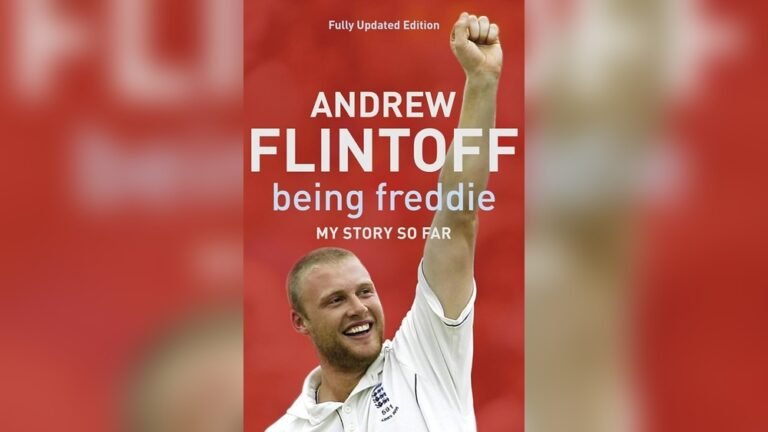
Did you know that AB de Villiers once listened to motivational audiobooks before smashing a 31-ball hundred—the fastest in ODI cricket? While most cricketers focus on physical training, few realize the power of audio learning for improving their mental game. In today’s fast-paced cricket world, where split-second decisions decide matches, smart athletes are turning to audiobooks. Here’s why the science of audio learning is transforming how cricketers train and play—and why you should plug in your headphones too.
The Hidden Edge: Science Of Audio Learning For Athletes
Scientific studies show audio learning can boost memory, focus, and even tactical skills. Unlike reading, listening lets you absorb information while practicing, traveling, or recovering—key moments in a busy cricket schedule. This flexibility is a major advantage, as cricketers often have limited time between matches and training sessions.
A study by the University of California found that auditory learners retain 15% more information compared to visual-only learners. For cricketers, this means you can digest strategy books, biographies, or mental toughness guides while doing nets, gym, or warm-downs. Imagine listening to a chapter on handling pressure while jogging, then applying those ideas during your next match.
Listen to Cricket's Greatest for Free —
Keep your first audiobook forever.
Start a 30-day Audible trial and download biographies of Kohli, Warne, Tendulkar, or elite sports psychology books.
Here’s a direct comparison of how audio stacks up against traditional learning for athletes:
| Learning Mode | Retention Rate | Best For |
|---|---|---|
| Reading | 65% | Detailed analysis |
| Audio Listening | 80% | On-the-go learning |
| Watching Videos | 70% | Visual drills |
Non-obvious insight: Listening activates both language and motor centers in the brain, helping you remember techniques and tactics during real match pressure. Many cricketers notice that after hearing expert advice, they react faster and make smarter decisions on the field. This is because audio learning creates mental associations you can recall under stress.
Why Cricketers Should Listen: Performance, Mindset, And Recovery
1. Boosting Tactical Awareness
Cricketers often have long travel times and recovery periods. Audiobooks let you use these hours to sharpen your mind. For example, listening to “The Art of Captaincy” by Mike Brearley can help you see field placements and leadership from a new angle. You might pick up a field setting idea that wins your next game.
The benefit goes beyond theory. Many captains report that audio learning helps them visualize strategies, so when they face tough situations, the solutions feel familiar. If you’re a bowler, you can listen to tactical guides that explain how to outsmart batsmen—a skill that often decides tight matches.
2. Strengthening The Mental Game
The best players know that cricket is as much mental as physical. Audiobooks on sports psychology or biographies of cricket legends offer real stories of handling pressure, bouncing back from failures, and staying focused.
- Example: “Bounce” by Matthew Syed explores how talent is developed through practice and mindset, not just raw ability.
What most beginners miss is that mental strength isn’t built only by reading motivational quotes. It’s built by hearing real stories of struggle and success, and learning practical mental routines. For instance, listening to a chapter about staying calm under pressure can help you develop a pre-ball breathing exercise, making your performance more consistent.
3. Maximizing Practice Efficiency
Why waste warm-up or cool-down time? Listen to tactical guides, expert interviews, or motivational talks while stretching or doing cardio. This habit can help you internalize match strategies without extra hours off the field.
Many coaches now encourage players to pair physical activity with audio learning. For example, while running laps, you could listen to a sports psychologist discuss focus techniques. This approach helps embed mental habits alongside physical routines, giving you a double benefit from your training.
Audiobook Pairing Callout:
Pro Tip: Queue up “Mind Gym: An Athlete’s Guide to Inner Excellence” during gym sessions. Its short chapters fit perfectly into workout routines.
4. Reducing Stress And Improving Focus
Cricket tours are stressful. Audiobooks on meditation, breathing, or sleep can improve your rest and focus. A focused mind reacts faster, stays calmer, and makes fewer mistakes under pressure.
- Example: “The Mindful Athlete” by George Mumford is a favorite for athletes seeking calm during tense matches.
Listening to calming audio before sleep or between matches can lower your heart rate and help you recover faster. Many players use guided meditation audiobooks on match days, feeling more refreshed and less anxious. This is especially helpful during tournament seasons, when mental fatigue builds up.
Non-obvious insight: Listening to calming narratives before sleep can increase REM cycles, aiding muscle recovery and mental clarity. If you struggle with match-day nerves, try a sleep audiobook—it may improve your focus more than extra practice.

Credit: podcastrepublic.net
Real-world Audiobook Wins: Cricketers Who Listen
Virat Kohli’s Mental Conditioning
Virat Kohli credits his mental toughness to regular learning off the field. He’s shared that listening to audiobooks on leadership and mindfulness helped him handle the captaincy’s pressure and bounce back from slumps.
Kohli also uses audio learning for visualization. He listens to stories of famous run chases before big games, which helps him build confidence and mental images of success.
Steve Smith’s Tactical Prep
On long flights, Steve Smith listens to interviews with cricket legends and books like “The Captain Class.” This habit keeps his tactical thinking sharp, even during downtime.
Smith sometimes shares key points with teammates, sparking discussions that lead to new strategies. Audio learning has become a team activity, making everyone smarter together.
Ellyse Perry’s Focus Routine
Australian star Ellyse Perry uses audiobooks on meditation and self-improvement to center herself before matches. She believes this routine keeps her calm and focused, especially in World Cup finals.
Perry also tries new mental techniques she learns from audiobooks, such as visualization and positive self-talk, which she credits for her consistent performance under pressure.
Audiobooks Vs. Podcasts: What’s Right For You?
Cricketers often ask: are audiobooks or podcasts better for learning? Let’s compare:
| Format | Depth | Best Use |
|---|---|---|
| Audiobook | In-depth, structured | Deep dives, biographies |
| Podcast | Casual, shorter | Current news, interviews |
Tip: Mix both! Use podcasts for quick updates and audiobooks for deeper learning. Podcasts are perfect for news, interviews, and short tips, while audiobooks offer long-form content for serious mental training.
Common Mistakes Cricketers Make With Audiobooks
Many athletes start strong with audiobooks but lose momentum. Here are mistakes to avoid:
- Multitasking too much: If you listen while distracted, you miss key ideas. For example, trying to listen during noisy commutes or while using your phone can reduce retention.
- Choosing the wrong genre: Pick topics that match your learning goals—tactics, mindset, or recovery. If your focus is on bowling, avoid general self-help books and look for cricket-specific content.
- Not taking notes: Pause and jot down insights, just like you would from a coach. Keeping a notebook or using a phone app for notes makes learning stick.
- Skipping reflection: Spend a minute after each session reflecting on what you learned. Ask yourself: how can I use this in my next match?
- Ignoring speed control: Adjust playback speed to match the narrator’s pace and your comprehension. Many beginners play audiobooks too fast and miss details.
How To Pick The Right Audiobook For Your Cricket Journey
1. Define Your Goal
Are you aiming to boost mental strength, learn tactics, or just relax? Your answer determines the best audiobook.
If you’re unsure, start with a mix of genres. For example, listen to a biography one week and a tactical guide the next. This variety keeps your mind engaged and helps you discover new interests.
2. Start With Trusted Titles
For cricketers, these are winning picks:
- “The Art of Captaincy” by Mike Brearley (strategy)
- “Bounce” by Matthew Syed (mindset)
- “Mental Toughness for Athletes” by James Bishop (resilience)
- “Open” by Andre Agassi (athlete’s journey, lessons for any sport)
Begin with one book and focus on applying key lessons, rather than rushing through many titles.
3. Match Listening To Activity
- Travel: Biographies or long-form cricket history.
- Practice: Tactical guides or motivational talks.
- Recovery: Mindfulness, sleep, or relaxation audiobooks.
Try pairing the type of audiobook with your current activity. For example, use motivational content before matches and calming audio after games.
Cricket Audiobook Picks: Try “No Spin” by Shane Warne for tactical genius, or “The Inner Game of Tennis” (applies to cricket too!) for mental skills.
4. Use Smart Devices And Apps
Most cricketers use Audible or similar apps on their phones or headphones. Set up a playlist before your next net session or flight.
Some players use wireless headphones or smart watches to make listening easier during training. Experiment with different devices to find what fits your routine.

Credit: www.amazon.com
Performance Impact: The Numbers Behind Audio Learning
A 2022 survey of elite athletes found:
- 68% said audiobooks improved their focus during training.
- 54% credited audio learning with better match preparation.
- 41% reported less anxiety after listening to mindfulness audiobooks.
Here’s a quick look at self-reported benefits:
| Benefit | Athletes Reporting Improvement |
|---|---|
| Focus | 68% |
| Match Prep | 54% |
| Reduced Anxiety | 41% |
Non-obvious insight: The most consistent benefit comes when athletes stick to a routine—just 15 minutes a day adds up. Small daily sessions are more effective than occasional binge listening.
Do/don’t: Audio Learning For Cricketers
Here’s a quick guide to make your audio learning count:
| Do | Don’t |
|---|---|
| Choose audiobooks that match your cricket role (batsman, bowler, captain). | Don’t listen at max speed; comprehension drops. |
| Reflect after each session—how will you use this on the field? | Don’t let audiobooks replace live coaching or practice. |
| Discuss insights with teammates or coaches for better retention. | Don’t multitask with high-risk activities (driving, crossing roads). |

Credit: www.nytimes.com
Make Audiobooks Part Of Your Cricket Routine
Even 10–20 minutes a day can give you an edge. Start small: pick one book, set a schedule, and track your progress. Many top cricketers treat audio learning like a gym routine—consistent, focused, and goal-driven.
You can also create a group with teammates to share audiobook recommendations and discuss takeaways. This builds a learning culture in your team, making everyone sharper.
If you’re unsure where to start, check out Audible’s sports section for a handpicked list of athlete-favorite titles.
Cricket is changing. Physical skills get you in the team; a sharp mind keeps you there. Unlock your edge—let the world’s best minds coach you, one audiobook at a time.
Frequently Asked Questions
How Do Audiobooks Help Cricketers Improve Performance?
Audiobooks help cricketers by building mental toughness, teaching tactics, and offering relaxation tips. Listening while practicing or traveling lets you learn without extra time. It’s like having a coach in your pocket, guiding you through both physical and mental challenges.
What Type Of Audiobooks Are Best For Cricketers?
Books on sports psychology, biographies of cricket legends, leadership, and mindfulness are ideal. They fit both tactical and mental needs. For younger players, try stories that teach resilience and teamwork.
Can I Listen To Audiobooks During Training?
Yes, especially during warm-ups, fitness sessions, or downtime. Avoid listening during activities that need full focus, like batting in the nets. Use quieter moments to absorb key lessons.
How Do I Stay Focused While Listening?
Choose quiet moments, pause to reflect, and take short notes. Discuss what you learn with teammates to remember more. Try setting a daily listening goal, like one chapter per session.
Are There Free Options For Cricket Audiobooks?
Many platforms offer free trials, and libraries often have free audiobooks. Check your cricket association for group subscriptions or recommendations. Some apps even offer free podcasts with expert advice.