A fast bowler spends most of a match doing something nobody sees. Between deliveries there are a few minutes of standing still, and the whole job gets decided in the ones where the mind is still turning over the last ball. That time is either training or damage, and it is almost never training by accident.
The good news is that the thinking part of bowling is now well documented, in books by people who have done it. The bad news is that most cricket books for fast bowlers are either ghost-written celebrity biographies that skip the interesting part, or technical manuals that assume you already know why you are doing what you are doing.
Everything below was checked against Audible’s catalogue before publishing. The runtimes, narrators and publishers are current, and every link goes to the exact product rather than a search page.
Listen to Cricket's Greatest for Free —
Keep your first audiobook forever.
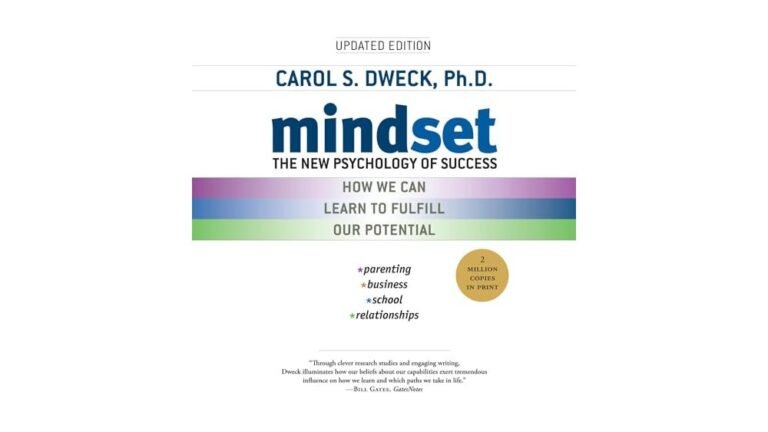
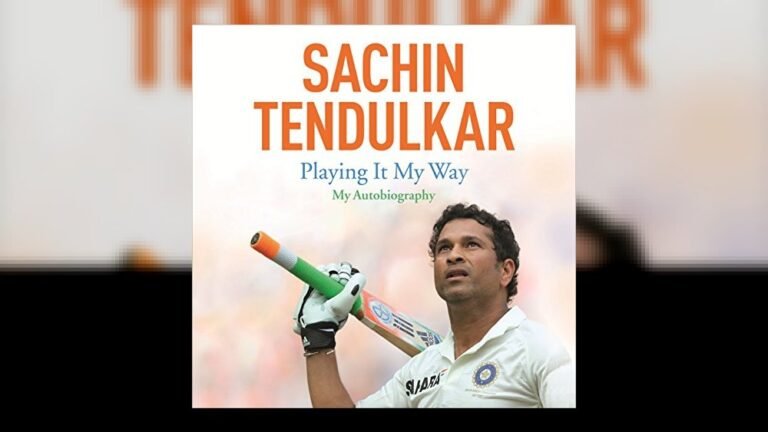
Start a 30-day Audible trial and download biographies of Kohli, Warne, Tendulkar, or elite sports psychology books.
The facts
| Audiobook | Who it is for | Length | Read by |
|---|---|---|---|
| Sultan Gideon Haigh and Wasim Akram | Fast bowlers who want the job described by someone who did it at the highest level | 9 hr 12 min | Ranjit Madgavkar |
| Glenn McGrath Glenn McGrath and Daniel Lane | Bowlers who want a technical reference written from the inside | 12 hr 29 min | Shane McNamara |
| Test of Will Glenn McGrath | Bowlers who want to know how a great bowler handled setbacks | 7 hr 38 min | Mike McLeish |
| I Have the Streets: A Kutty Cricket Story R. Ashwin and Sidarth Monga | Any bowler who lives by deception rather than raw pace | 7 hr 5 min | Jeremy Francis |
| No Spin Shane Warne and Mark Nicholas | Bowlers who want to understand what pressure actually does | 13 hr 11 min | Rhys Muldoon |
| Performing Under Pressure Hendrie Weisinger and J. P. Pawliw-Fry | Anyone who bowls well in practice and badly in matches | 11 hrs | Michael Butler Murray |
| The Pressure Principle Dr Dave Alred MBE | Bowlers who want the pressure topic handled in a shorter session | 9 hr 22 min | Dr Dave Alred MBE |
| The Fighter's Mind Sam Sheridan | Bowlers who want to see preparation described by people who do it for a living | 8 hr 53 min | Nicholas Techosky |
| Unbeatable Mind: Forge Resiliency and Mental Toughness to Succeed at an Elite Level (Third Edition: Updated & Revised) Mark Divine | Bowlers who want a mental training manual they can work through | 7 hr 16 min | Brock Armstrong |
What it covers
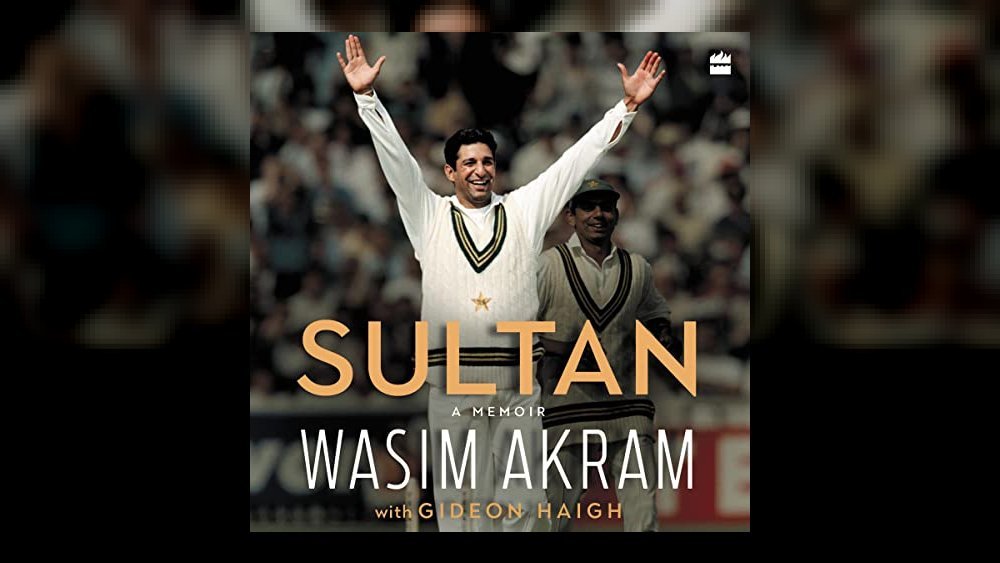
Sultan
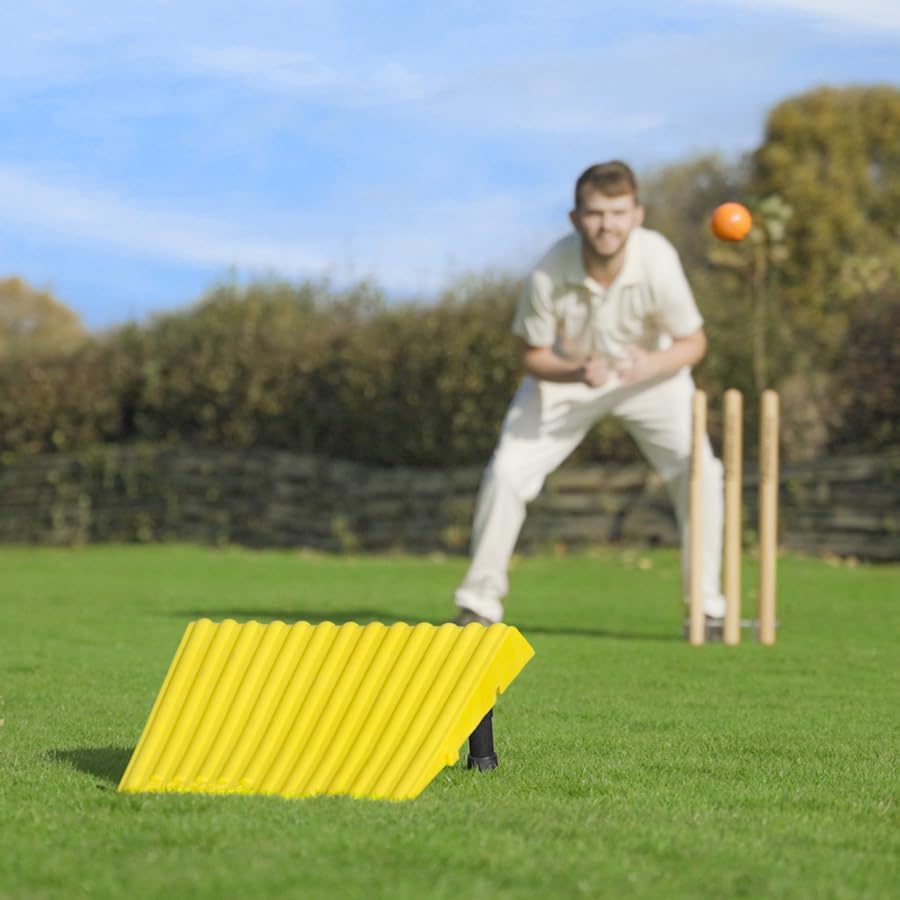
Wasim Akram’s official autobiography, written with Gideon Haigh, is the most technically specific bowling book in this list. Akram was a left-arm fast bowler with an unusual ability to move the ball in the air, and the book spends real time on how he planned a spell rather than on the highlights everyone remembers.
The parts a club bowler will find most useful are the ones about repetition. Akram describes the same delivery being bowled hundreds of times in a session with a coach changing one variable at a time, which is a more useful model than the version of practice that most of us do, where you bowl until your arm is tired and change nothing.
He is also honest about the physical cost, the injuries, and the years of being the villain. Nine hours and twelve minutes, narrated by Ranjit Madgavkar.
Read by Ranjit Madgavkar · HarperCollins India. Listen on Audible
nnGlenn McGrath

Glenn McGrath’s Line and Strength is subtitled with the name of his long-time coach, Daniel Lane, and that tells you what the book is. It is a long conversation about how a fast-medium bowler actually delivers a ball: the run-up, the angle, the way the ball is released, and the difference between a delivery that is fast and one that is merely quick.
What makes it interesting for a modern bowler is that McGrath was never the fastest bowler in his era. He won his place on accuracy, on the angle he extracted, and on being able to bowl the same delivery for twenty overs. There is a lot in here about making a plan and then boringly executing it.
At twelve and a half hours it is one of the longer books here. Treat it as a reference you dip into rather than a narrative.
Read by Shane McNamara · Bolinda audio. Listen on Audible
nnTest of Will
Test of Will is McGrath’s shorter, later book, and it is the more personal of the two. It picks up after the peak, through the injuries and the lost form and the slow rebuilding, which is the part of a fast bowler’s career that rarely gets written about.
For a bowler coming back from a long injury, that is exactly the material worth having. McGrath is unsentimental about how long it took and how little he knew at the time whether it would work.
At seven and a half hours it is a reasonable length, and it is narrated by Mike McLeish rather than by McGrath himself.
Read by Mike McLeish · Audible Studios. Listen on Audible
nnI Have the Streets: A Kutty Cricket Story

R Ashwin wrote I Have the Streets with Sidarth Monga, and it is the story of a boy in Madurai who learned the game in the street before anyone taught him anything. It came out in 2025 and Ashwin narrates it himself.
It is on this list because the skill Ashwin is describing is the same one a fast bowler needs in a different form. He did not outpace anyone. He learned to make a ball do something the batter did not expect, and the whole book is an account of how you learn to do that when nobody in your family knows the sport.
The training sections are the ones worth paying attention to, particularly the work he did on his action away from the crease. If you are a bowler who relies on pace alone, this book is a gentle argument for adding a second weapon.
Read by Jeremy Francis · Random House Audio. Listen on Audible
nnNo Spin
No Spin is Shane Warne’s autobiography, and despite the title it is a book about a man who was under more scrutiny than any other bowler of his generation, for reasons that had almost nothing to do with spin bowling.
What a fast bowler takes from it is the account of what happens when a delivery goes wrong in public. Warne describes the specific mechanics of hiding a mistake, which is a genuinely practical skill, and the psychological cost of being the one the crowd has decided to hate.
Thirteen hours, and it is long. If you want the shorter version of the same lesson, the mental books below cover the pressure side with more structure.
Read by Rhys Muldoon · Penguin Random House Australia Audio. Listen on Audible
nnPerforming Under Pressure
Performing Under Pressure is the book to read if your problem is that the plan works right up until the moment it matters. Weisinger and Pawliw-Fry argue that pressure does not add stress so much as redirect attention, and that the redirection is the whole problem.
The part that transfers best to bowling is the idea of giving attention a home that is not the outcome. For a bowler that means the line you have decided to hit, the shape you want, the count of balls into the spell. The book has a specific chapter on this.
At eleven hours it is a long listen. It is written for anyone under pressure in any field, which means you will need to translate it, but it translates well.
Read by Michael Butler Murray · Random House Audio. Listen on Audible
nnThe Pressure Principle
Dr Dave Alred is a performance coach who worked in elite sport, and The Pressure Principle is a much tighter, more practical book than most of the mental titles. Nine hours and twenty-two minutes, narrated by the author.
It works on the idea that pressure is not the absence of control, it is a specific set of physiological and attentional changes that you can learn to work with. The practical sections give you things to do in the two minutes before you bowl, which is more use than a theory of why you feel the way you do.
If the eleven-hour title is not going to happen this month, this is the one that will.
Read by Dr Dave Alred MBE · Penguin Audio. Listen on Audible
nnThe Fighter's Mind
Sam Sheridan went looking for how the very best performers handle the moment before they compete, and he found them in boxing, mixed martial arts and special forces rather than in cricket. The interviews are specific in a way that sport psychology books rarely are.
Two things recur across them. The first is that elite performers use a fixed preparatory routine whose job is sequencing rather than confidence. The second is that the real danger is not the pressure but the moment the routine breaks.
For a bowler, the routine is short and familiar: the run-up, the breathing, the mark. Knowing what to do when that goes wrong is worth more than any motivational talk.
Read by Nicholas Techosky · Audible Studios. Listen on Audible
nnUnbeatable Mind: Forge Resiliency and Mental Toughness to Succeed at an Elite Level (Third Edition: Updated & Revised)
Unbeatable Mind is Mark Divine’s third edition of a book that has become a standard text in American football programmes, and it is the most manual-like title on this list. Seven hours and sixteen minutes, narrated by Brock Armstrong.
The framework is simple enough to apply quickly: work on the process, not the outcome; build what you control; and treat the difficult sessions as the point rather than the exception. Divine is writing for athletes in a high-contact sport where getting hit is part of the job, and the book is correspondingly unsentimental.
Nothing in it is about cricket, and that turns out to be a feature rather than a bug. You can apply it to a bowling workload without translating every metaphor.
Read by Brock Armstrong · Frozen Puck. Listen on Audible
nnWho it is for, and who it is not
This list suits a bowler with a real workload, which usually means someone in an academy, a club with a coach, or a professional squad. The books assume you are already bowling regularly and want to make the mental side better rather than the physical side, which is the opposite of where most coaching attention goes.
It is also for a captain or a bowling coach. The most useful chapters here are the ones about the difference between what a fast bowler can control and what they are being asked to control, and that is a conversation worth having with a bowler who is technically sound and technically stuck.
How to get the most from it
Do your bowling work first, then listen. The temptation with these books is to treat them as a substitute for overs. They are not. The best use is in the dead time at the other end, where you would otherwise be standing and worrying.
Bowlers who listen in the middle of a spell tend to get worse, not better, because the part of the job that needs training is exactly the part that gets disturbed. Pick a slot that is not in your spell.
Take the idea, not the story. Every one of these books is full of match stories that will not transfer to your level. The transferable parts are the mechanics and the routines, and those are what you write down.
- Separate the lesson from the anecdote: write down the idea, not the match it came from.
- Keep it out of the spell: listen in the gaps, not between balls.
- Choose one delivery to own: a second, slower ball changes more games than a faster first one.
- Build the routine before the spell, not during it, so it runs on autopilot.
- Re-read your notes at the start of the season, when the ideas are cold but the workload is light.
Common questions
What is the best audiobook for a fast bowler who is just starting out?
The Pressure Principle. It is nine hours, it is practical rather than theoretical, and it works at any level, because what it teaches is what to do with your attention in the two minutes before you bowl. If you are already in an academy with regular coaching, The Art of Mental Training is the better fit, because it is short enough to fit around a heavy training week.
Does any of these actually make a bowler faster?
No. Speed comes from physical training, workload and technique, and no audiobook adds a kilometre per hour. What these books can improve is the consistency of your execution, because a bowler who is in their own head between deliveries bowls a different ball to one who is not. If you want the physical side, the right reference is McGrath’s Line and Strength, and even that is a conversation about technique rather than a programme.
Is Sultan better than the Shane Warne autobiography?
For a fast bowler, yes. Akram was a fast bowler and the book is about how a fast bowler thinks: the planning of a spell, the practice of a single delivery over and over, and the physical cost of doing it for twenty years. No Spin is a better book and Warne is a better story, but its lessons are about handling fame rather than about bowling.
What about a bowler who has lost form and is fighting confidence?
Test of Will. McGrath wrote it about exactly that period in his own career, the long rebuilding after injuries and lost form, and he is refreshingly unsentimental about how long it took and how little he knew at the time. It is the most useful book on this list for that specific problem, and the most useful one to hear from a bowler who has been there.
Are there cricket-specific coaching books on audio?
For bowling technique, the honest answer is that the good ones are on video or in print, because you need to see the action. The audio catalogue is strongest on the mental and reflective side. Hitting Against the Spin and The Art of Batting are the two cricket-specific audio books that carry genuine technical content, and they are worth your time even though they are about batting.
Written by the CricketGearGuru editorial team. Every title above was checked against Audible’s own catalogue on the day this page was published, so the narrator, the running time and the edition are the current ones. The links are affiliate links, so we may earn a commission if you buy through them at no extra cost to you.