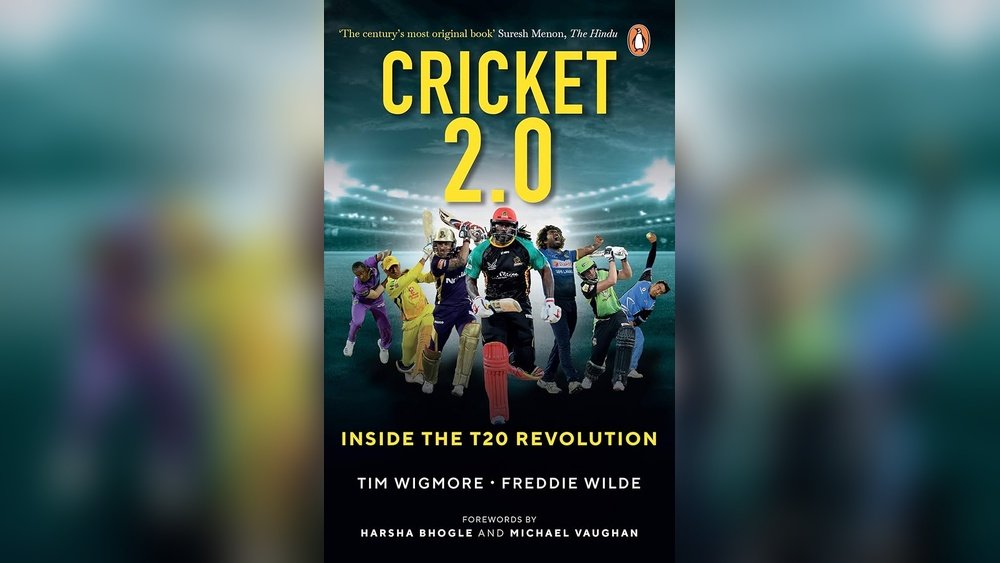
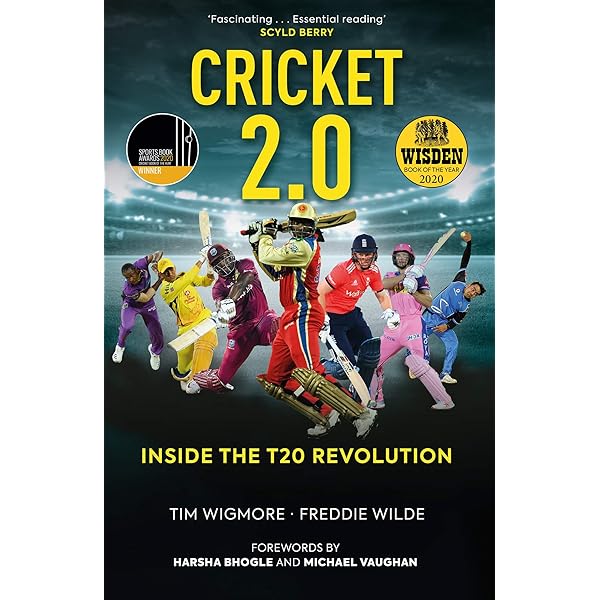
Did you know that in 2023, more than 60% of all cricket matches worldwide were T20s, dwarfing Tests and ODIs? This seismic shift didn’t just happen—it was driven by bold innovators, dramatic moments, and a hunger for fast-paced entertainment. The audiobook “Cricket 2.0: Inside the T20 Revolution” dives deep into this transformation, telling the inside story of how T20 cricket changed everything: the way the game is played, watched, and even understood. As a trusted cricket analyst, I’ll guide you through 20 key ways T20 has redefined the sport, with audiobook insights, real-world examples, and practical advice for fans and players alike.
The Birth Of T20: Disruption On Purpose
Back in 2003, the first official T20 match was played in England. The goal? Make cricket shorter, sharper, and more TV-friendly. The book recounts how marketing teams and cricket boards gambled on a new format, hoping it would revive flagging interest. Within a decade, T20 had become the most watched and most lucrative form of cricket. For players and fans, it was a revolution that nobody saw coming.
| Year | Test Matches | ODIs | T20s |
|---|---|---|---|
| 2000 | 49 | 120 | 0 |
| 2010 | 43 | 98 | 43 |
| 2022 | 41 | 67 | 177 |
20 Ways T20 Changed Everything
Let’s break down the 20 game-changing shifts highlighted in the audiobook—each with real examples, practical takeaways, and what it means for today’s cricket.
Listen to Cricket's Greatest for Free —
Keep your first audiobook forever.
Start a 30-day Audible trial and download biographies of Kohli, Warne, Tendulkar, or elite sports psychology books.
1. Powerplay Innovations
T20’s powerplay rules created high-stakes batting right from ball one. Teams learned to maximize early overs, leading to explosive opening partnerships. A classic example: Chris Gayle’s 175* for RCB in IPL 2013—most runs in a T20 innings, fueled by powerplay aggression.
Mistake to Avoid: Holding back in the powerplay often means missing the best scoring window.
2. Specialist Finishers
No format values the ‘finisher’ like T20. The book explores how players like MS Dhoni and Kieron Pollard built careers on closing out games under pressure.
Use-case pick: If you’re a batsman, practice death-overs hitting and mental composure drills.
3. Data-driven Decision Making
T20 leagues popularized stats like match-ups (e.g., left-arm spinner vs. right-hander). Franchises now hire analysts who crunch ball-by-ball data, as seen with Mumbai Indians in the IPL.
Performance Impact: Teams using analytics consistently reach playoffs more often.
4. Rise Of Franchise Leagues
From the IPL to the Big Bash, city-based franchises replaced national loyalty with brand loyalty. The audiobook details how the IPL’s $6.2 billion valuation changed player contracts, fan culture, and TV deals.
Audiobook Pairing
Audiobook Pick: Listen to “Cricket 2.0” while comparing IPL and Big Bash team-building stories. Real franchise owners reveal their secrets!
5. All-rounder Renaissance
T20 demands multi-skilled players. Think of Andre Russell—he can win games with bat or ball. Teams now prefer players who can contribute in more than one discipline.
Tip: Young cricketers should develop both batting and bowling to boost their T20 value.
6. Bowling Innovation: Slower Balls & Yorkers
Death bowling is an art, and T20 forced bowlers to master tricks like knuckleballs, slower bouncers, and pinpoint yorkers. Jasprit Bumrah’s success is built on these skills.
Common Mistake: Overusing slower balls becomes predictable; variation is the key.
7. 360-degree Batting
Players like AB de Villiers and Suryakumar Yadav hit shots all around the ground. “Cricket 2.0” explains how innovative training and bat technology made this possible.
Advice: Practice reverse sweeps and ramps to unlock new scoring areas.
8. Fielding Standards Skyrocket
T20’s tight margins make fielding brilliance essential—think of Ravindra Jadeja’s run-outs or Kieron Pollard’s boundary catches. Teams spend more time on agility, direct hits, and relay throws.
9. Spin Bowling Reimagined
Spinners now bowl in powerplays and at the death. Sunil Narine and Rashid Khan have shown that mystery spin can dominate even in high-scoring games.
Performance Impact: Top T20 teams use at least two spinners, often in unorthodox roles.
10. Shorter, Intense Matches
Fans get a result in three hours, making T20 perfect for TV and families. The book discusses how prime-time scheduling boosted stadium attendance and TV ratings.
11. Global Player Movement
T20 leagues let players from Afghanistan, Nepal, or the USA compete on the world stage. Rashid Khan is now a global star, thanks to IPL and BBL exposure.
Mistake: Youngsters focusing only on Tests or ODIs may miss out on lucrative T20 chances.
12. Women’s T20 Boom
The audiobook spotlights the Women’s Big Bash League and the Women’s IPL. Players like Harmanpreet Kaur have inspired a new generation, with record crowds and TV audiences.
13. Bat Technology And Gear Evolution
Heavier bats with thicker edges—designed for six-hitting—are now standard. “Cricket 2. 0” interviews bat makers who reveal how T20’s demands changed design.
14. Strategic Timeouts And Substitutes
Teams use timeouts for tactical resets—like changing the batting order or bowling plan. The audiobook shows how clever use of substitutes (like the IPL’s Impact Player) can swing matches.
15. Fan Engagement And Social Media
T20 stars interact directly with fans on Twitter and Instagram. IPL teams run contests and live chats, making fans feel part of the action.
Audiobook Pairing
Audiobook Tip: Listen to “Cricket 2.0” while following your favorite T20 team’s social feed for real-time insights.
16. Dynamic Captaincy And Leadership
Captains like Eoin Morgan and Rohit Sharma are praised for split-second decisions—rotating bowlers, moving fielders, and reading match-ups. The audiobook argues that leadership in T20 is more about instinct than tradition.
17. Sponsorship And Big Money
T20’s rapid growth attracted major sponsors. IPL title sponsorships have topped $60 million per season. This cash has funded better stadiums, player salaries, and even grassroots cricket.
18. Changing Coaching Styles
Coaches are now mentors and tacticians. They focus on mental conditioning and scenario-based training, as highlighted in interviews with Ricky Ponting and Mahela Jayawardene.
19. Rule Changes And Format Tweaks
The book outlines how T20 introduced Super Overs, free hits, and boundary countbacks. These tweaks increased drama and made matches less likely to end in a tie.
20. Cricket As Entertainment
Cheerleaders, DJs, and LED stumps: T20 is more than just cricket—it’s an event. The audiobook explores how entertainment elements keep stadiums full and sponsors happy, creating a festival atmosphere.
| Aspect | T20 Impact | Traditional Cricket |
|---|---|---|
| Average Match Length | ~3 hours | ~8 hours (ODI) / 5 days (Test) |
| Fan Engagement | Live social media, in-stadium events | Limited interaction |
| Global Reach | 120+ countries | ~30-40 countries |
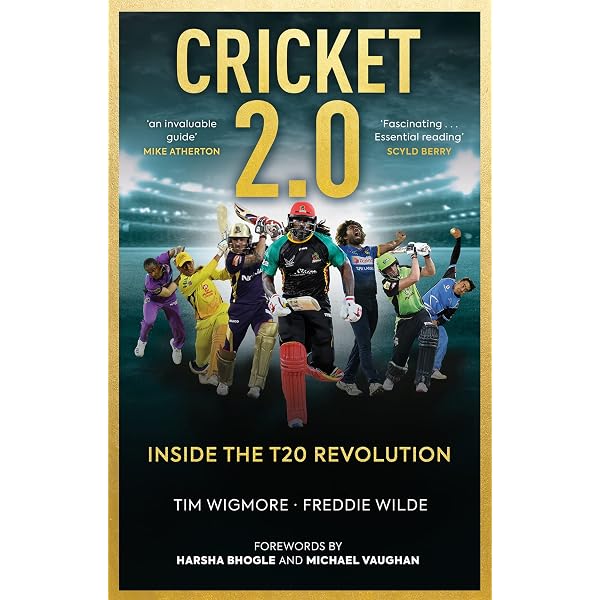
Credit: www.amazon.com
Top Mistakes When Adapting To T20
Many players and coaches fall into common traps when shifting to T20:
- Sticking to old routines: T20 rewards innovation, not tradition.
- Ignoring match-ups: Not planning for specific batsman/bowler battles.
- Neglecting fielding: Poor fielders cost teams matches.
- Over-specializing: Modern T20 demands versatile skills.
- Mismanaging pressure: T20 is a mental game—panic leads to collapses.
| Do | Don’t |
|---|---|
| Practice power hitting and death bowling | Rely only on textbook strokes |
| Develop fielding and fitness | Ignore agility training |
| Embrace data analysis | Rely only on gut feeling |
Performance Impact: Stats Don’t Lie
After 15 years of T20, average run rates have jumped from 4.5 to 8.5 in limited-overs cricket. Six-hitting is up over 200% since 2005. Bowlers deliver more yorkers, and fielders save more boundaries. T20 didn’t just add another format—it changed the DNA of the sport.
Stat Callout: In the 2022 IPL, 1,064 sixes were hit—a new world record.
Credit: www.amazon.com
When To Listen: Picking The Right Audiobook Moment
“Cricket 2.0” is best enjoyed:
- On match days, to spot tactics in real time
- During commutes for bite-sized history and drama
- While practicing in the nets, for inspiration and new ideas
For deeper understanding, pair it with Wikipedia’s T20 Cricket page for stats and rule changes.
Final Thoughts
T20 didn’t just create a new format—it rewrote cricket’s script. From Mumbai’s Wankhede to Melbourne’s MCG, the impact is everywhere: in how teams play, how fans connect, and how money and innovation flow. If you love cricket’s future or want to understand its present, “Cricket 2.0: Inside the T20 Revolution” is a must-listen. It’s more than a review; it’s your front-row ticket to the biggest show in sports.

Credit: www.audible.com
Frequently Asked Questions
What Is “cricket 2.0: Inside The T20 Revolution” About?
It’s an audiobook that explains how T20 cricket changed the game—from rules and tactics to money, media, and global reach—using real stories and interviews.
Who Should Listen To This Audiobook?
Anyone curious about modern cricket—fans, players, coaches, and even newcomers who want to understand T20’s impact on the sport.
Does The Book Cover Both Men’s And Women’s T20?
Yes, the authors discuss the growth of women’s T20, focusing on leagues like the Women’s Big Bash and the Women’s IPL.
What Are Some Unique Insights From The Audiobook?
The book reveals how analytics, media, and new training methods created stars like Rashid Khan and AB de Villiers, and explains the business behind franchise cricket.
Is “cricket 2.0” Beginner-friendly?
Absolutely. The narrative is clear and filled with examples, making it easy to follow—even if you’re new to cricket or English.