
Cricket is a game of fine margins. In 2019, Ben Stokes’ World Cup heroics came down to millimeters—a bat, a boundary, a super over. So, what truly separates a good cricketer from an elite one? It’s not just skill. It’s mindset, preparation, resilience, and the ability to grow. And while top players spend hours in the nets, many also feed their minds with powerful insights from audiobooks. If you want to bridge that gap, these eight audiobooks reveal the secrets elite cricketers live by—on and off the field.
The Elite Cricketer’s Mindset: Powerful Audiobooks That Transform Games
1. The Mindset: “mindset” By Carol S. Dweck
Why do some cricketers bounce back from failure while others crumble? Dweck’s “Mindset” unlocks the difference: growth mindset. She explains how believing you can develop your abilities leads to greater achievement—exactly what separates Virat Kohli from thousands of talented but frustrated players.
- Use-case pick: Perfect for young players struggling after bad innings.
- Performance impact: Studies show athletes with a growth mindset recover faster and improve consistency.
- Common mistake: Focusing only on talent, not effort and learning.
Listen to Cricket's Greatest for Free —
Keep your first audiobook forever.
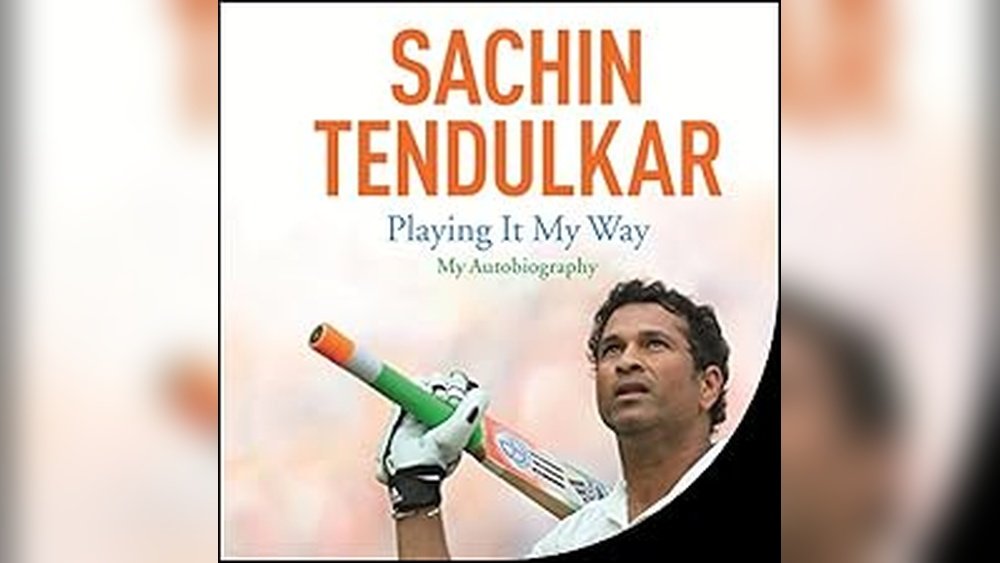
Start a 30-day Audible trial and download biographies of Kohli, Warne, Tendulkar, or elite sports psychology books.
Audiobook Pairing: Listen to “Mindset” during long travel between matches or after practice to reinforce positive thinking.
2. The Routine: “atomic Habits” By James Clear
Elite cricketers don’t rely on luck. They build routines—morning stretches, visualization, even sleep patterns. In “Atomic Habits”, Clear reveals how small changes compound into massive results. Steve Smith’s quirky but consistent routines? That’s habit stacking in action.
- Use-case pick: For anyone seeking discipline in training or diet.
- Performance impact: Tiny improvements raise batting averages and reduce injuries.
- Mistake: Trying to overhaul everything at once.
Audiobook Pairing: Play “Atomic Habits” while setting up your cricket kit or prepping meals for a match week.
3. The Pressure Play: “the Pressure Principle” By Dr. Dave Alred
Pressure is the ultimate test. Sachin Tendulkar faced it down for 24 years. “The Pressure Principle” decodes how elite athletes channel nerves into focus. Alred coached Jonny Wilkinson and Francesco Molinari—his methods work for cricket, too.
- Use-case pick: Prepping for finals or high-stakes moments.
- Performance impact: Converts anxiety into game-winning focus.
- Mistake: Trying to “block out” nerves instead of using them.
Audiobook Pairing: Listen before pressure games to practice breathing and focus routines.
4. The Preparation: “peak” By Anders Ericsson And Robert Pool
Just hitting more balls isn’t enough. “Peak” explains how deliberate practice—targeted, feedback-rich training—is what creates superstars. For example, England’s Joe Root spends hours on weakness-specific drills, not just net time.
- Use-case pick: Ideal for coaches and self-taught players.
- Performance impact: Improves specific skills faster than generic practice.
- Mistake: Practicing without feedback or clear goals.
Audiobook Pairing: Play “Peak” during solo fitness sessions or when planning your next nets.
5. The Resilience Factor: “grit” By Angela Duckworth
Elite players aren’t just gifted—they’re gritty. Duckworth’s “Grit” shows how passion and perseverance outlast talent. M.S. Dhoni, for example, was never the flashiest, but his relentless drive made him India’s most successful captain.
- Use-case pick: Recovering from injury or career setbacks.
- Performance impact: Boosts mental toughness and long-term motivation.
- Mistake: Quitting too soon after failures.
Audiobook Pairing: Queue up “Grit” while doing physical rehab or post-loss analysis.
6. The Focus: “the Art Of Learning” By Josh Waitzkin
Multitasking is a myth in high-level sport. “The Art of Learning” is Waitzkin’s journey from chess prodigy to world champion martial artist—offering tools for deep focus and learning from failure. Ben Stokes’ single-minded focus in the 2019 final echoes these principles.
- Use-case pick: For players frustrated by distractions or inconsistency.
- Performance impact: Sharpens decision-making under pressure.
- Mistake: Ignoring mental skills training.
Audiobook Pairing: Listen while commuting or stretching before training to set a focused mindset.
7. The Leadership Edge: “legacy” By James Kerr
What makes the All Blacks rugby team the most successful sports team ever? Leadership and culture. “Legacy” shares lessons on humility, teamwork, and responsibility—skills that made Eoin Morgan a legendary captain.
- Use-case pick: Captains, coaches, and ambitious young leaders.
- Performance impact: Builds team unity, respect, and lasting success.
- Mistake: Trying to lead by force, not by example.
Audiobook Pairing: Play “Legacy” during team travel or before leadership meetings.
8. The Recovery Secret: “why We Sleep” By Matthew Walker
Few realize how much sleep impacts cricket performance. “Why We Sleep” uses science to show how rest boosts reaction time, memory, and injury recovery. England’s James Anderson, still bowling at 40, credits sleep for his longevity.
- Use-case pick: Players suffering burnout or poor match recovery.
- Performance impact: Improves fitness, reflexes, and mental sharpness.
- Mistake: Sacrificing sleep for more practice.
Audiobook Pairing: Wind down with “Why We Sleep” before bed or on long away trips.
How Elite And Good Cricketers Compare: Mindset & Preparation
To see the difference between a good and elite cricketer, let’s compare their habits and approaches.
| Trait | Good Cricketer | Elite Cricketer |
|---|---|---|
| Mindset | Fixed, avoids risk | Growth, seeks challenge |
| Practice | Repetitive drills | Deliberate, feedback-based |
| Handling Pressure | Chokes or panics | Turns nerves into focus |
| Recovery | Ignores rest | Prioritizes sleep and downtime |
| Leadership | Individual focus | Team-first mentality |

Credit: whattoreadtoyourkids.com
Common Mistakes That Limit Cricketers
- Ignoring mental skills: Most players practice technique but neglect mental training. This limits match performance, especially under pressure.
- Not learning from mistakes: Good cricketers often repeat errors because they don’t reflect or adapt.
- Poor recovery habits: Overtraining and lack of sleep cause burnout or injury, cutting careers short.
- Trying to “do it all” at once: Without building small habits, big changes usually fail.
Quick “do & Don’t” Guide
| Do | Don’t |
|---|---|
| Set clear goals for each practice session | Practice without feedback or focus |
| Visualize game scenarios before matches | Let nerves control your performance |
| Listen to audiobooks for fresh perspectives | Believe only physical skills matter |
Audiobook Pairing For Key Cricket Scenarios
Choosing the right audiobook can level up your game based on your current focus:
pre-match: “the Pressure Principle” For Calming Nerves
training Block: “peak” To Maximize Session Quality
captaincy: “legacy” To Inspire Your Team
injury Recovery: “grit” To Maintain Motivation
building Habits: “atomic Habits” For Routine And Consistency

Credit: nlcblogs.nebraska.gov
Real-world Impact: Stats And Stories
The difference between good and elite is measurable. According to the ICC, the average Test batsman scores 32 runs per innings, but elite players like Steve Smith and Kane Williamson average over 50. What’s behind the numbers? It’s not just talent. Their mental routines, preparation, and recovery—all covered in these audiobooks—are the real game changers.
Stat Spotlight: A 2018 study found that cricketers who practiced visualization improved their batting averages by 7% over a season.
For more on sports psychology and performance, check out this sports psychology resource.
Frequently Asked Questions
What Is The Most Important Quality In An Elite Cricketer?
Resilience. Elite cricketers bounce back from setbacks quickly. They learn from mistakes and keep improving, both mentally and physically.
Can Listening To Audiobooks Really Help My Cricket?
Yes. The right audiobook gives you new ways to handle pressure, build habits, and stay motivated. Many top pros use mental training as much as technical drills.
How Do I Choose Which Audiobook To Start With?
Pick one that matches your current challenge. If you struggle with nerves, try “The Pressure Principle. ” For building routines, “Atomic Habits” is great.
How Often Should I Listen To These Audiobooks?
Aim for 20–30 minutes per day, especially during travel, warm-ups, or downtime. Consistency matters more than speed.
Do Elite Cricketers Actually Use These Strategies?
Absolutely. Many international stars use visualization, goal-setting, and recovery routines—all found in these audiobooks—to gain an edge.
Cricket’s margin for error is tiny, but your potential is not. By pairing these audiobooks with smart training, you’ll develop not just the skills, but the mindset and habits that push good players into the elite. With discipline, reflection, and a hunger to learn, your next innings could be your best yet.

Credit: en.wikipedia.org