Most club sessions are four to six balls of work followed by six minutes of standing around. That gap is where a net session is usually lost — not because the players are tired, but because the recovery is unstructured. Audio gives that gap something to do, which is the entire case for it. It is also the entire limit of it: audio supports a session, it does not replace coaching, and it is the wrong thing to wear while you are batting.
Below is a practical guide to what actually helps in each part of a session, with the titles verified against Audible so you can see who reads them and how long they run before you commit.
The four parts of a net session
A session has four parts, and each one wants something different. The warm-up wants rhythm and a little adrenaline, so a familiar high-energy podcast works and an audiobook does not. Between drills wants something short, because the gap is usually three or four minutes. The long solo block — the part where a batter faces fifty balls on their own — is the highest-value window for listening, because the repetition makes the audio stick. The cooldown wants something calm enough to bring the heart rate down rather than send it back up.
Listen to Cricket's Greatest for Free —
Keep your first audiobook forever.
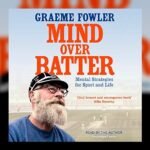
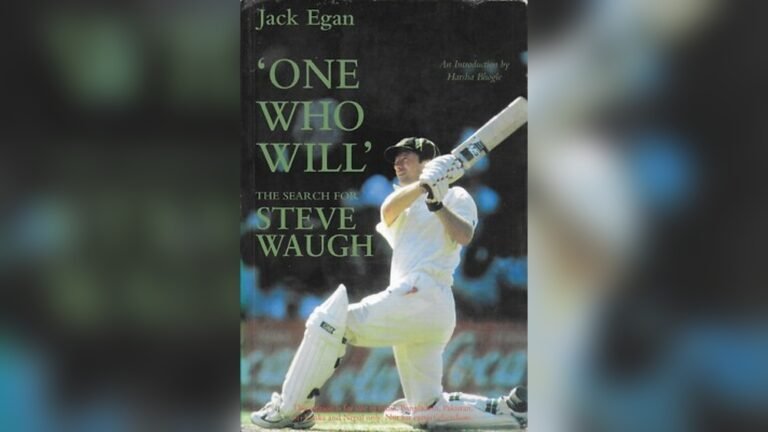
Start a 30-day Audible trial and download biographies of Kohli, Warne, Tendulkar, or elite sports psychology books.
Cricket talk for the gaps
These are the cricket podcasts worth having queued up before you arrive, because they suit the short gaps and they keep the conversation in the sport. The Final Word Cricket Podcast is the sharpest of them for analysis, The Edges & Sledges Cricket Podcast is the most enjoyable for club-level cricket, and Sky Sports Cricket Podcast is the one for following the professional game on the days you only catch the scores. All three are free episodes, so the cost of trying them is nothing.
For a longer session, The Tim Ferriss Show is the broader option: long-form interviews that include athletes, and enough of the non-cricket material to keep the session interesting without drifting away from the sport entirely. It is also the one to use on the drive rather than in the nets, because a single episode can run well past your session.
There is also The Mindset Mentor, which is less about cricket than about the habit of talking yourself into a better state before you play — useful for the twenty-minute window before you arrive rather than for the nets itself.
Books for the long blocks
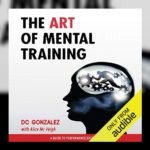
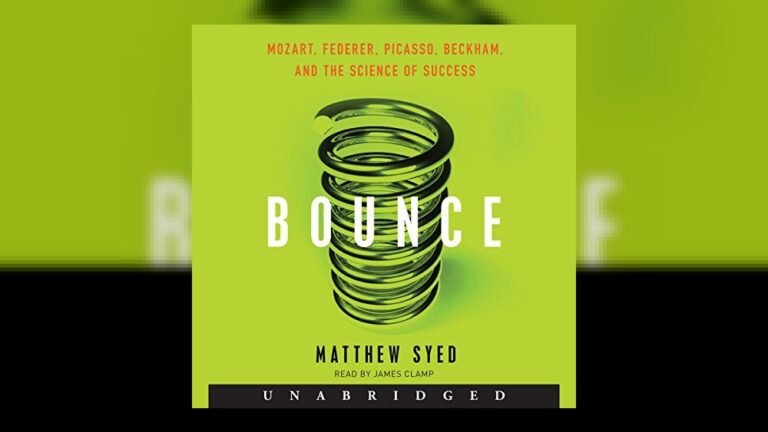
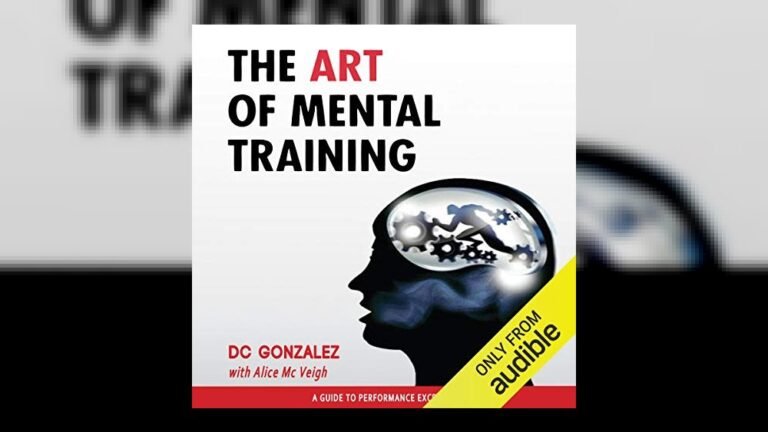
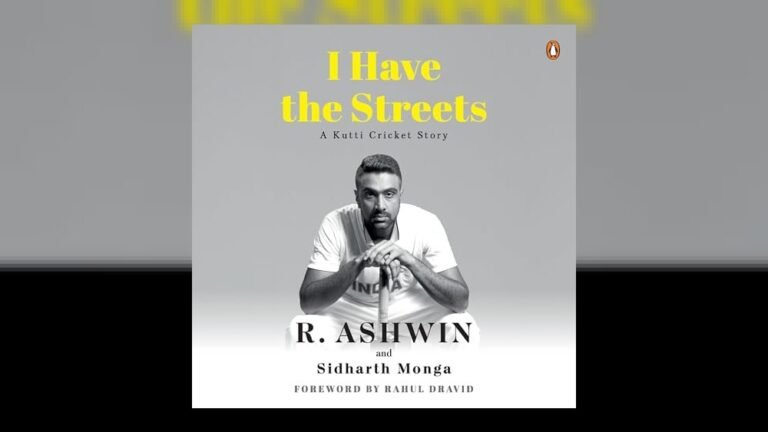
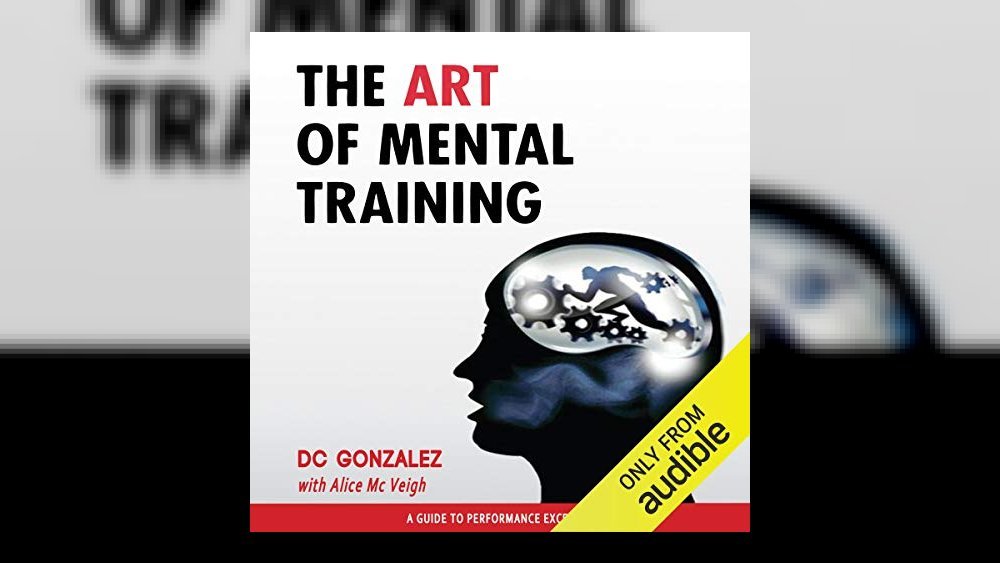
Long solo blocks are where a book works, because the repetition of the same shot gives the ideas time to sink in. The choices below are the ones with something specific to a batter rather than general sporting encouragement. The Art of Mental Training is the shortest and the most immediately useful — it is about training the mind as a skill, and it has exercises you can actually do between deliveries. Playing It My Way is the long read, and the sections on early-career habit and preparation reward a slow listen. The Art of Captaincy is worth it if you are organising other people rather than your own game, and The Fighter’s Mind is the one with the best material on performing under pressure.
Every one of them includes the narrator and running time, so you can judge the commitment before you start. Read by D. C. Gonzalez · GonzoLane Media. Read by Sartaj Garewal · Hodder & Stoughton. Read by Roger May · Macmillan Digital Audio. Read by Nicholas Techosky · Audible Studios.
For a shorter alternative with a cricket spine rather than a general one, The Art of Batting is the pick: technique, from a player who has both coached international cricket and been through it as a batter. Read by Jarrod Kimber · Bloomsbury Sport. Listen on Audible
What not to do with audio
Do not listen while you are batting. You need to hear the ball — it is the single most important technical input in the sport, and it is also how you judge pace off the pitch. Beyond that, it is the one part of the session where attention is the thing you are training.
Do not use audio instead of coaching. It can support what a coach has told you; it cannot tell you what your cover is off. If a drill has a technical correction in it, the coach has to say it out loud and you have to feel it.
Do not let it become noise. Background audio with no intention is entertainment, and entertainment does not transfer to the crease. Decide the one thing you are listening for before the session starts, and leave the earphones in your pocket the moment the bowler starts running in.
Do not stack it. Podcast plus audiobook plus a coaching video is three inputs at once. Pick one, and give it the whole gap.
A simple session plan
Warm up with the podcast you already know. Work on the one thing your coach has given you, with the volume off. Put the book on for the long block, one delivery or one drill at a time, and take a single idea from it into the next twenty balls. Cooldown with nothing at all, or with the calm end of a long episode if the session ran late. That is a complete use of audio, and it is more than most sessions get out of it.
Common questions
What should I listen to during net practice? For the gaps between drills, a cricket podcast. For the long solo block, a book about skill or technique. For the warm-up, anything energetic and familiar. What you should never listen to is the bowler.
Is music better than a podcast for training? For the warm-up, yes — music is better at raising arousal and does not occupy the attention you want to save for the drill. Once the technical work starts, speech is more useful than music, because it gives you something to think about while you repeat the same shot.
Can I use an audiobook instead of a coach? No, and it is worth being blunt about that. Audiobooks are for the gaps and the long blocks; the corrections that change your technique come from someone watching your bat swing, in person.
Does listening actually improve my batting? Not directly. It improves the mental side of a session, which shows up as consistency across a season rather than as a new shot. Anyone who promises a new shot from an audiobook is overselling.
What about a rain delay? Then you are not training, so the priority is not to arrive back on the field mentally cooked. Something calm, familiar and low-stakes is the right choice; a podcast you have heard twice beats something new.
Written by the CricketGearGuru editorial team. Links above are affiliate links, which means we may earn a commission if you buy through them. It does not change the price, and it does not change the opinion.