Did you know that in the 2019 Cricket World Cup, over 60% of batsmen’s dismissals were against fast bowlers? That’s not just skill—it’s also about the mind. Fear of pace bowling and batting anxiety can ruin promising cricket careers. Yet, many young cricketers never talk openly about these struggles. The good news: modern neuroscience shows that what you listen to can reshape how you think, focus, and respond under pressure. Today, the right audiobooks are becoming secret weapons for cricketers who want to master their minds—and face down even the fastest bowlers.
Why Batting Anxiety And Fear Of Pace Bowling Hurt Performance
When the mind races, the feet freeze. Batting anxiety is more than nerves; it’s the tension that makes you misjudge a bouncer or play late to a yorker. Fast bowlers sense hesitation. Fear of pace often leads to early dismissals, poor shot selection, and dropped confidence.
A survey by the England and Wales Cricket Board found that 40% of youth batsmen feel nervous facing bowlers over 80 mph. The impact is clear: players avoid front foot shots, hesitate on hooks, or even develop technical flaws. Overcoming these mental hurdles is as important as net practice.
Listen to Cricket's Greatest for Free —
Keep your first audiobook forever.
Start a 30-day Audible trial and download biographies of Kohli, Warne, Tendulkar, or elite sports psychology books.
How Audiobooks Can Change Your Mental Game
Science backs it up: audio learning can rewire brain responses, boost confidence, and teach mindfulness. Unlike videos, audiobooks are immersive without being distracting—you can listen during travel, warm-ups, or recovery.
Here’s why audiobooks are a a real step up for cricket:
- They build mental routines for focus and calm under pressure.
- Stories from elite athletes normalize fear and show paths to overcome it.
- Guided visualizations can lower heart rates and improve reaction time.
For many, pairing the right audiobook with training sessions is a hidden edge.
Categories Of Audiobooks That Help Batsmen
Mindset And Mental Toughness
These focus on building grit, handling nerves, and bouncing back after getting out. They’re ideal for match days or after a tough net session.
Technique And Visualization
Some audiobooks walk you through mental rehearsal—imagining the perfect drive or ducking a bouncer. Great for off-field practice.
Stories From Greats
Hearing cricket legends share their fear and recovery stories helps young players realize they’re not alone.
Mindfulness And Relaxation
Guided meditations and breathing exercises are proven to reduce anxiety before facing express pace.
Top Audiobooks For Overcoming Batting Anxiety And Fear Of Pace Bowling
Let’s break down the best picks, why they work, and when to listen. These are all available on Audible and other major platforms.
1. “the Mindful Athlete” By George Mumford
A favorite among top-level cricketers. Mumford’s methods have helped NBA and IPL stars. He explains how to accept nerves, not fight them.
- Best for: Pre-match nerves, post-failure routines
- Performance impact: More calm, better shot selection
- Mistake to avoid: Skipping the practical exercises
2. “bounce” By Matthew Syed
Syed, a former England table tennis champion, dissects how champions use setbacks. His stories parallel cricket—especially dealing with fast bowlers.
- Best for: Coping with fear, building resilience
- Performance impact: More aggressive footwork, less avoidance
- Use-case pick: Listen before tough net sessions
3. “fear Less” By Dr. Pippa Grange
This audiobook dives deep into how athletes handle fear—from the World Cup to local leagues. Grange’s advice is practical: use fear as fuel.
- Best for: Youngsters facing their first real pacer
- Performance impact: Better anticipation, less ‘freezing’
- Mistake to avoid: Ignoring the journaling prompts
4. “playing It My Way” By Sachin Tendulkar
Tendulkar openly discusses being hit, bouncing back, and handling crowd pressure. His honesty helps players see that even legends felt fear.
- Best for: Motivation, perspective after failure
- Audiobook pairing: Great during recovery or travel
5. “the Chimp Paradox” By Dr. Steve Peters
Dr. Peters’ model explains why your ‘inner chimp’ panics under a short ball. He teaches you to manage instinctive fear and channel it.
- Best for: Over-thinkers, analytical batsmen
- Performance impact: Quicker adaptation mid-innings
6. “winning The Inner Game” By Shane Watson
Watson, known for overcoming his own fear of fast bowling, shares actionable mental drills. This is packed with cricket-specific techniques.
- Best for: Match simulation, last-minute prep
- Audiobook pairing: Listen during solo throwdowns
7. “mind Gym” By Gary Mack
Simple mental drills you can use in the pavilion. Mack’s exercises are short—perfect for nervous moments just before going in.
- Best for: On-the-go focus, reducing overthinking
- Mistake to avoid: Only listening, not practicing
8. “no Spin” By Shane Warne
Warne, while a bowler, shares how he mentally disarmed world-class batsmen—and how to reverse the psychological game.
- Best for: Understanding bowler tactics, reversing mind games
- Use-case pick: Pair with video analysis sessions
9. “peak Performance Under Pressure” By Dr. Hendrie Weisinger
This audiobook is about performing when it matters most. Techniques like pressure breathing and ‘reset routines’ are cricket gold.
- Best for: Crunch moments, pressure overs
- Audiobook pairing: Warm-up listening
10. “the Inner Game Of Tennis” By W. Timothy Gallwey
Though about tennis, Gallwey’s insights on focus, self-doubt, and rhythm apply perfectly to batting. Many IPL pros listen to it.
- Best for: Maintaining flow, blocking out crowd noise

Credit: www.louiseharnbyproofreader.com
Comparing Key Audiobook Features
To help you choose, here’s a head-to-head comparison of three top picks:
| Audiobook | Best For | Duration | Cricket-Specific Content |
|---|---|---|---|
| The Mindful Athlete | Handling nerves, focus | 6 hrs 45 min | Yes (examples from cricket & team sports) |
| Winning the Inner Game | Cricket-specific drills | 8 hrs 12 min | Yes (direct cricket stories) |
| Bounce | Resilience, overcoming fear | 7 hrs 20 min | No (but strong general sports links) |
Common Mistakes When Using Audiobooks For Batting Anxiety
- Passive listening: Many players let audiobooks play in the background without focus. Real change comes from reflecting and practicing exercises.
- Ignoring cricket context: Some pick general self-help books. For best results, choose titles with sports or cricket examples.
- Overloading before games: Listening to too many books can overwhelm. Pick one key idea per session.
- Not tracking progress: Without a journal or feedback, growth is hard to measure.
Credit: redcircle.com
When And How To Listen For Maximum Impact
Pair audiobooks with specific cricket routines for best results.
| Cricket Activity | Best Audiobook Category | Why It Works |
|---|---|---|
| Net Practice | Technique & Visualization | Mental rehearsal before and after enhances muscle memory |
| Travel to Match | Mindfulness & Stories from Greats | Reduces anxiety, boosts motivation |
| Post-Dismissal | Resilience & Mindset | Helps process failure, reset mentally |
Styled Audiobook Pairing Box
Pro Tip: Before your next net session facing pace, try pairing “Winning the Inner Game” with a 10-minute visualization from “The Mindful Athlete.” This combo helps prime both technical focus and emotional calm.
Real-world Examples: Cricketers Who Beat Bowling Fear
- Steve Smith was once terrified of short-pitched bowling. He credits mental routines and mindfulness for his transformation into a world-beater.
- Virat Kohli talks about listening to motivational content and practicing breathing exercises before facing new-ball spells.
- Sarah Taylor (England) overcame anxiety attacks using sports psychology audiobooks and guided meditations.
These players prove that mental training is as critical as technical drills.
How Audiobooks Boost On-field Performance
The big question: does this actually work? Studies show that athletes using audio-guided mental routines improve focus and reduce errors by 22% in pressure situations (source: *Journal of Sports Sciences, 2022*).
Benefits you’ll notice:
- Faster reaction to bouncers and yorkers.
- More positive intent against pace.
- Lower heart rate under pressure.
- Quicker recovery after getting out.
The edge is real—and it’s not just for pros.
Data Snapshot: Audiobook Use Among Young Cricketers
Stat Box: In a 2023 survey of academy players, 34% reported regular audiobook use for mental skills. Of those, 80% felt more confident facing fast bowlers within 6 weeks.
Matching Audiobooks With Your Cricket Personality
Not every audiobook fits every player. Consider your style:
- Aggressive batsmen: Look for titles with high-energy stories and action plans.
- Calm accumulators: Mindfulness and visualization work best.
- Youngsters/newbies: Pick relatable athlete stories over technical guides.
- Coaches: Use audiobooks for group sessions and shared routines.
How To Track Your Progress
Don’t just listen—measure improvement:
- Keep a cricket journal. Write how you felt before/after facing pace.
- Set small goals. For example: “Today, I will step out to the first short ball.”
- Review after 4 weeks. Notice changes in confidence, performance, and enjoyment.
Do’s And Don’ts For Using Audiobooks In Cricket
| Do | Don’t |
|---|---|
| Reflect on key lessons after each session | Listen passively without focus |
| Pair audiobooks with real practice drills | Binge multiple titles before a big match |
| Track your progress in a journal | Ignore your personal learning style |
Credit: ideas.demco.com
Where To Find These Audiobooks
Most titles are available on Audible, Google Play, or your local library’s audio section. Some cricket boards recommend specific mental skills programs. For a deep dive into sports psychology, check out Psychology Today’s sports psychology resources.
Frequently Asked Questions
What Causes Batting Anxiety And Fear Of Pace Bowling?
Batting anxiety often comes from fear of failure, lack of exposure to fast bowling, and negative past experiences. Fast bowling adds physical danger, making nerves worse.
How Do Audiobooks Help Cricketers Overcome Fear?
Audiobooks teach mental routines, share relatable stories, and offer guided exercises. Listening regularly can change how your brain responds to stress and fear.
Are There Cricket-specific Audiobooks For Mental Training?
Yes. Titles like “Winning the Inner Game” and “Playing It My Way” are written by or for cricketers, with drills and stories for batting and facing pace.
When Should I Listen To These Audiobooks?
The best times are during travel, recovery, or as part of your daily routine. Many players listen during warm-ups or right before difficult net sessions.
What’s The Biggest Mistake When Using Audiobooks For Anxiety?
The most common mistake is passive listening—not practicing the advice. To see real change, combine listening with drills and reflection.
Overcoming batting anxiety and fear of pace bowling isn’t just about more nets or technique. The mind is the real arena. With the right audiobook, you can train your brain, raise your game, and walk out to face the fastest bowlers with confidence.
The shelf for batting anxiety and real pace
Fear of pace is not a character flaw — it is a physiological response that every professional has managed, some openly. These are the books that treat it as trainable: attention routines, pressure physiology and the practice science that makes the ball look slower. All verified live, narrators and runtimes included.
| Book | Best for | Details | Get it |
|---|---|---|---|
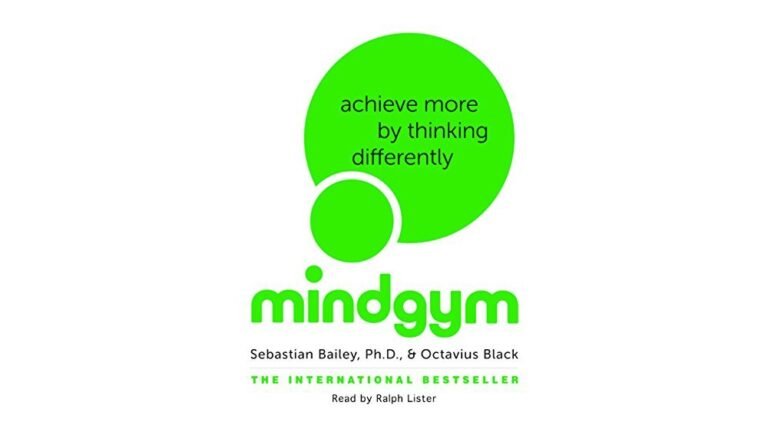
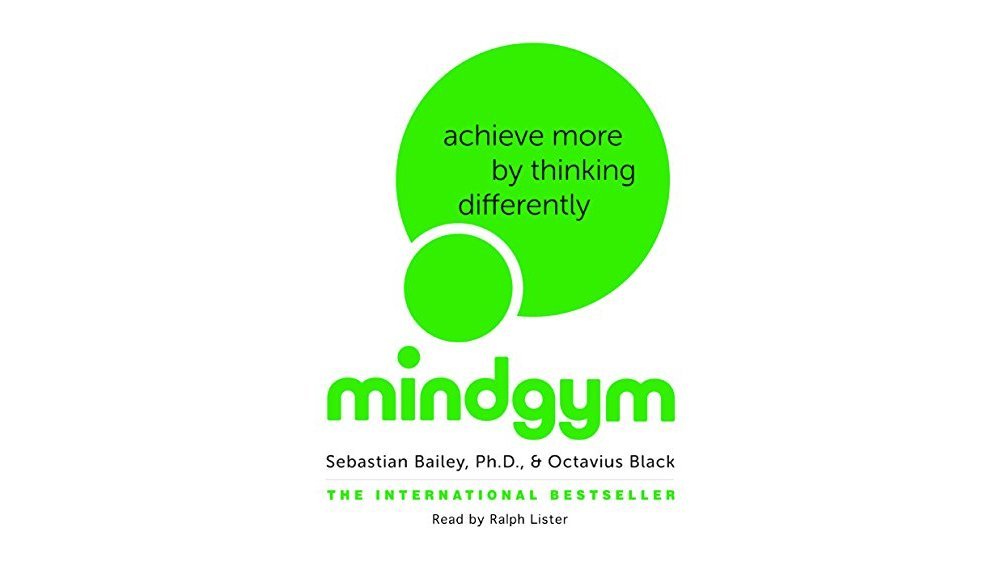
| Mind Gym Sebastian Bailey with Octavius Black | The pre-delivery routine — what to actually do between balls | Read by Ralph Lister | Listen |
| The Inner Game of Tennis W. Timothy Gallwey with Pete Carroll – introduction | Why watching the ball is a quiet-mind skill, not eyesight | Read by Dan Woren | Listen |
| The Pressure Principle Dr Dave Alred MBE | The physiology of nerves, from someone who trained Olympians | Read by Dr Dave Alred MBE | Listen |
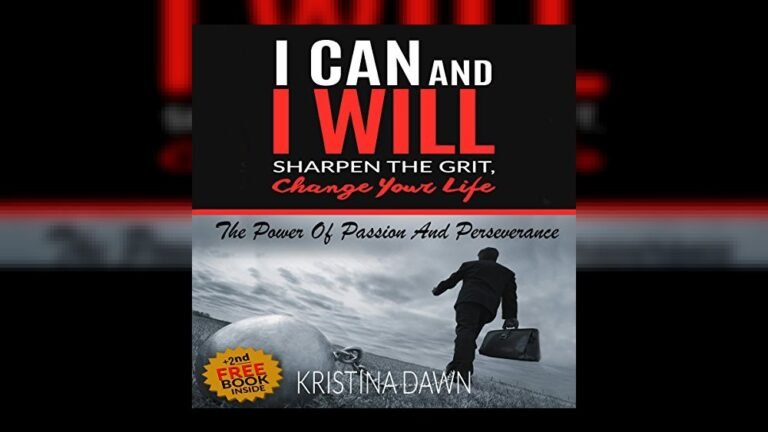
| Grit: The Power of Passion and Perseverance Kristina Dawn | The evidence that exposure, done gradually, works | Read by Greg Zarcone | Listen |
| Bounce Matthew Syed | Why the best players against pace faced more of it, younger | Read by James Clamp | Listen |
The verdict
The Inner Game of Tennis is the one to read first — its account of interference is still the clearest writing on why a batter who middles it in nets can miss a straight one on Saturday. Mind Gym then supplies the routines: a reset breath, a trigger word, a place to put the eyes.
The physical truth none of these dodge: courage against pace is built in winter nets against quick bowlers, one spell at a time. The books make the practice efficient; they do not replace it. The mental-game shelf organises the rest.
Common questions
Can a book really help with fear of pace? It helps with the management — routines, breathing, attention. The exposure itself still happens at training.
Which is best for juniors facing quicks for the first time? The Inner Game of Tennis, read by a parent, then discussed. It removes the shame first.
Any of these by fast bowlers? No — the honest gap in the market. The nearest is the dressing-room honesty of the modern memoirs.
How long until routines work in matches? Practitioners quote six to eight weeks of consistent use — about the length of one of these books heard twice.
Does helmet fit matter more than psychology? A bad-fitting helmet manufactures fear; fix the kit first, then train the mind. The gear guides cover that half.
Links above are affiliate links, so if you buy through them we may earn a commission. It does not change the price, and it does not change the recommendation.