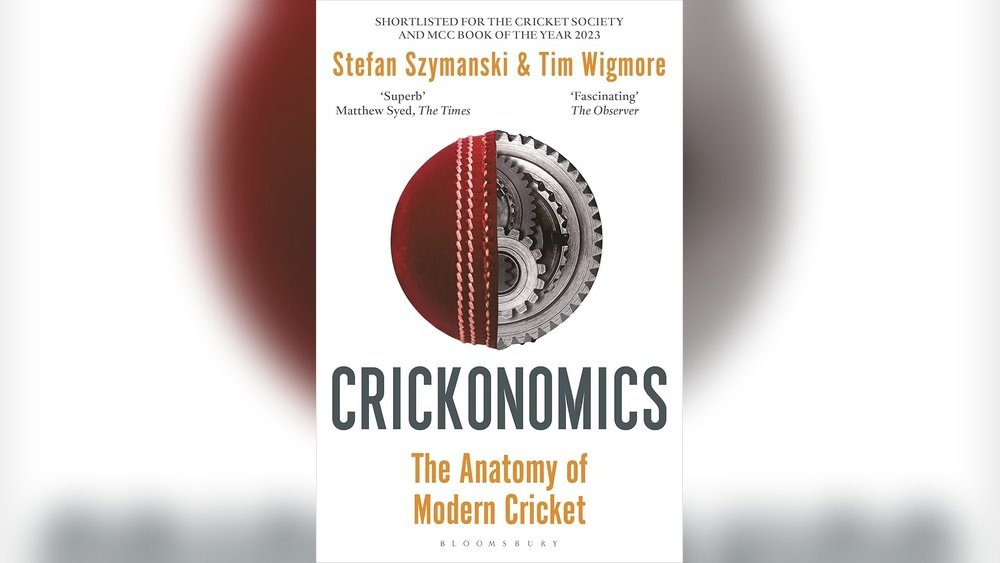
Cricket is often called a gentleman’s game, but beneath its serene surface lies a complex world of strategy, economics, and human psychology. Did you know that in the Indian Premier League (IPL), a single run can shift a player’s value by thousands of dollars in the auction? This fascinating link between numbers and cricket is at the heart of “Crickonomics: The Anatomy of Modern Cricket”—an audiobook that dives deep into the economic science of the world’s most intricate sport. For fans who love the game and crave to know why teams and players make certain decisions, “Crickonomics” is an eye-opener. But does the audiobook deliver on its promise to make you see cricket in a whole new way? Let’s break it down.
What Makes “crickonomics” Unique?
At first glance, “Crickonomics” seems like another book about cricket history or tactics. But it’s much more. Crickonomics blends economics, statistics, and real match stories to explain why cricket works the way it does. The audiobook is co-authored by Stefan Szymanski, an economist, and Tim Wigmore, a cricket journalist, making it a rare combination of expertise.
You’ll hear about:
Listen to Cricket's Greatest for Free —
Keep your first audiobook forever.
Start a 30-day Audible trial and download biographies of Kohli, Warne, Tendulkar, or elite sports psychology books.
- The hidden science behind player auctions
- How franchises decide on player salaries
- The real reason why T20 cricket exploded in popularity
- Why some countries produce more cricket talent than others
The narration is crisp, clear, and engaging, with each chapter introducing a new concept or story, supported by data and examples. The production quality is high—no background noise, great pacing, and just enough passion to keep you hooked.
Deep Dives: Key Themes And Insights
The Economics Of Player Value
One of the audiobook’s strongest sections covers how teams determine player value. For example, the IPL auction is not just about talent—it’s about finding undervalued assets using deep analytics.
| Player | Auction Price (USD) | Runs in Last Season | Strike Rate |
|---|---|---|---|
| Glenn Maxwell | 2,200,000 | 513 | 144.3 |
| Ruturaj Gaikwad | 310,000 | 635 | 136.3 |
| Chris Morris | 2,250,000 | 67 | 136.8 |
This section teaches listeners how market inefficiencies allow smart franchises to pick up high-value players for less. For example, bowlers who can bat a bit (all-rounders) often go for more money than specialist bowlers, even if their stats are similar.
The Globalization Of Cricket
“Crickonomics” also shines a light on why cricket has boomed in countries like India but struggled in the US and China. It’s not just about talent—economic incentives and infrastructure matter more than many fans realize.
Some non-obvious insights include:
- Broadcast rights drive investment in player development.
- Countries with strong domestic leagues create more international stars.
- Small rule changes, such as the introduction of the powerplay, can suddenly make a league much more profitable.
Three Real Examples That Stand Out
- Moneyball in the IPL: The audiobook explains how the Kolkata Knight Riders used data analytics to sign undervalued players and win titles, similar to the “Moneyball” strategy in baseball.
- Pakistan’s Talent Factories: Despite political and economic challenges, Pakistan keeps producing world-class fast bowlers. “Crickonomics” links this to cultural preferences and the lack of grass wickets, which force bowlers to learn unique skills.
- England’s White-Ball Revolution: After years of poor results, England overhauled its approach to limited-overs cricket by copying successful T20 franchises. The result: a world cup win and a new generation of aggressive players.
These stories show that behind every headline, there’s a mix of economics, data, and human ingenuity at work.

Credit: www.amazon.com
Mistakes Listeners Should Avoid
Even a great audiobook can be misunderstood if you’re not careful. Here are some common mistakes:
- Thinking it’s a coaching manual: “Crickonomics” explains why things happen, not how to play. Don’t expect batting tips.
- Ignoring the data: Some listeners skip over stats, but they’re crucial to understanding the arguments.
- Missing the context: The book references global trends—if you only follow one league, you might miss bigger points.
- Assuming all leagues are equal: The economics of the IPL are very different from, say, the Caribbean Premier League.
Who Should Listen? Use-case Picks
“Crickonomics” is not just for stat nerds. It’s ideal for:
- Aspiring cricket analysts: Understand why teams make certain choices.
- Sports business students: Get real-world examples of economic theory in action.
- cricket fans: See the game in a new way, especially if you love behind-the-scenes stories.
- Fantasy league players: Learn how to spot undervalued players for your team.
On the other hand, if you’re looking for a simple history of cricket or personal player stories, this audiobook may not be the best fit.
Performance Impact: How “crickonomics” Changes The Way You Watch
After listening, you’ll never see a close match the same way again. You’ll notice:
- How bowlers are rotated based on auction value, not just skill
- Why teams chase certain targets aggressively
- The reason behind strange mid-season transfers
The biggest impact? You’ll start predicting strategies based on economic logic, not just gut feeling.
Audiobook Experience: Narration And Production
The narration is smooth, with clear pronunciation and a pace that’s easy for non-native speakers. The authors use cricketing terms, but they explain each one the first time. There’s a perfect mix of storytelling and analysis—serious, but never dry.
A key advantage of the audiobook: you can listen during your commute, workout, or while scoring a local cricket match. The chapters are short, making it easy to pause and reflect. The narration style feels like having a seasoned cricket analyst in your ear, helping you connect the dots.
Audiobook Pairing: If you enjoy “Crickonomics”, try “The Numbers Game: Why Everything You Know About Soccer Is Wrong.” It covers similar economic and statistical themes, but through the lens of football. Perfect for sports fans who love data-driven stories.

Credit: www.bloomsbury.com
Data Table: Comparing Cricket Leagues’ Economics
To understand just how different cricket economies can be, compare these leagues:
| League | Avg. Player Salary (USD) | TV Rights Value (per year) | Avg. Attendance |
|---|---|---|---|
| IPL (India) | 450,000 | $510 million | 35,000 |
| BBL (Australia) | 120,000 | $70 million | 28,000 |
| CPL (Caribbean) | 40,000 | $20 million | 10,000 |
This shows why players flock to certain leagues, and why the IPL often sets global cricket trends.
Common Misconceptions About Cricket Economics
Cricket economics is not just about who gets paid the most. “Crickonomics” reveals several myths:
- Myth: Only big stars matter—In reality, winning teams often have the best value players, not the most expensive.
- Myth: Home teams always win—Economic pressure sometimes forces teams to use unfamiliar pitches or strategies.
- Myth: T20 is killing Test cricket—The book explains how TV money from T20 helps fund Test matches in some countries.
Stat Box: In 2023, IPL’s broadcast rights sold for over $6 billion. That’s more than the English Premier League’s first TV deal!
The Final Verdict: Is “crickonomics” Worth Your Time?
If you want to look past the surface of cricket and understand the forces shaping every match, “Crickonomics” is a must-listen. It’s not just a book for data geeks or economists. It’s for anyone who wants to know why things happen in cricket—the auctions, the upsets, the rise of new stars. The audiobook format makes the complex topics easy to follow, and the narration keeps you engaged. Whether you’re a lifelong fan or a curious newcomer, you’ll come away with a deeper respect for the game’s hidden science.
For those looking to explore further, the authors reference detailed research and real-world case studies. You can find more information and related studies at Wikipedia’s Crickonomics page.
Frequently Asked Questions
What Is The Main Focus Of The “crickonomics” Audiobook?
The audiobook explains the economic and statistical forces behind modern cricket. It covers player auctions, league growth, and how data changes team strategies.
Is “crickonomics” Good For Cricket Beginners?
Yes, but it’s best if you have a basic understanding of cricket rules. The book explains terms clearly, but some knowledge of the game helps.
Are There Real Match Examples In The Audiobook?
Absolutely. You’ll hear stories from the IPL, World Cups, and domestic leagues, all linked to the book’s economic themes.
How Does The Audiobook Compare To Traditional Cricket Books?
Unlike most cricket books, “Crickonomics” focuses on data, economics, and strategy, not personal stories or coaching tips. It’s analytical but still engaging.
Will Listening To “crickonomics” Help Me Win At Fantasy Cricket?
It can improve your understanding of player value and team strategy, which can help with fantasy picks. But it’s not a “cheat sheet”—success also depends on current form and luck.
Cricket is a game of numbers, money, and mind games. “Crickonomics” finally gives fans the tools to understand it all. Give it a listen, and you’ll see cricket in a whole new light.

Credit: www.bloomsbury.com